
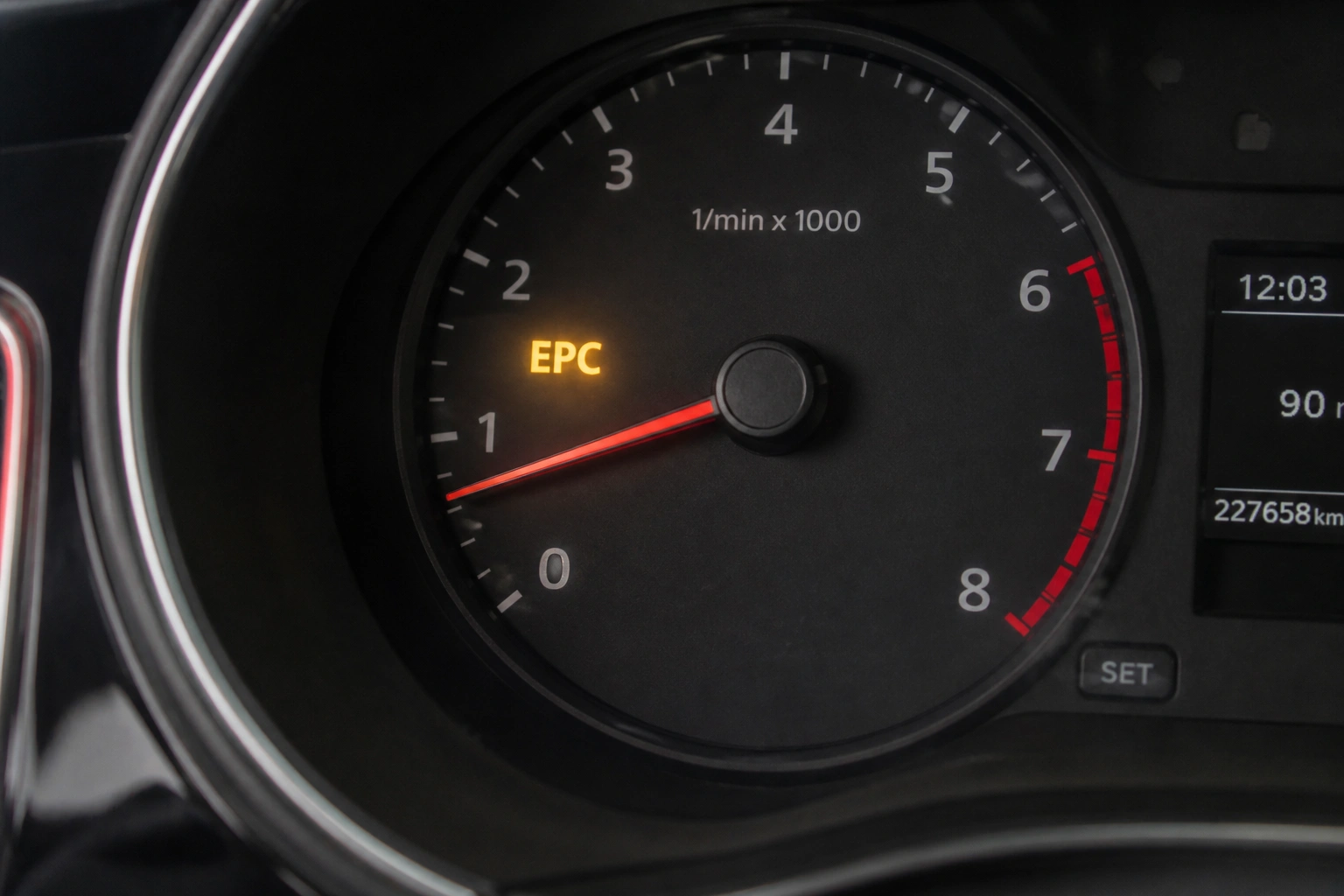
Modern vehicles rely heavily on electronic systems to manage engine performance, throttle response, and overall safety. Among the many warning indicators on the dashboard, the EPC light is one that often causes confusion. It appears suddenly, sometimes with a noticeable drop in performance, and leaves many drivers wondering what it actually means.
EPC stands for Electronic Power Control. It is commonly found in vehicles from brands like Volkswagen and Audi. This system monitors and controls various engine and throttle-related functions using sensors and electronic components.
When the EPC light comes on, it signals that something within this system is not working as expected. The issue may be minor or more serious, depending on the cause. Identifying the reason behind the warning and taking the right steps helps restore normal performance and prevents further complications.
Table of Contents
What EPC Light Means In Modern Vehicles
Meaning Of Electronic Power Control System
The EPC system is designed to manage the electronic throttle and related components. Unlike older mechanical systems, modern vehicles use electronic signals to control how the engine responds to pedal input. This allows for more precise control and improved efficiency.
The EPC system works with sensors, actuators, and the engine control unit to regulate airflow and fuel delivery. It ensures that the engine operates smoothly under different conditions.
When the system detects a fault, it triggers the EPC light as a warning. This helps alert the driver before the issue becomes more serious.
The system plays a key role in maintaining performance and safety.
How EPC System Works
The EPC system relies on communication between multiple components. Sensors monitor throttle position, engine speed, and other parameters. These signals are sent to the control unit, which adjusts the throttle accordingly.
This process happens continuously while the engine is running. It allows for smooth acceleration and consistent performance.
If any part of this system fails or sends incorrect data, the control unit may limit engine power to prevent damage. This is often referred to as limp mode.
The EPC light indicates that the system has detected such an issue.
Why EPC Light Comes On
The EPC light can come on for various reasons, ranging from minor sensor faults to more serious mechanical problems. It may appear suddenly or after a noticeable change in performance.
In some cases, the light may turn off after restarting the vehicle, but the underlying issue may still exist. The system stores diagnostic information that can be accessed with a scanner.
Ignoring the warning can lead to reduced performance or further damage.
Identifying the cause helps determine the next steps.
Common Causes Of EPC Light
Faulty Throttle Body Or Pedal Sensor
The throttle body and accelerator pedal sensor are key components of the EPC system. They control how the engine responds to driver input.
If these components fail or send incorrect signals, the system may trigger the EPC light. This can result in reduced power or delayed response.
A faulty throttle body may cause irregular engine behavior, while a damaged pedal sensor can affect acceleration.
Replacing or repairing these components restores normal function.
Brake Light Switch Issues
The brake light switch is another component that can affect the EPC system. It communicates with the control unit to ensure proper coordination between braking and acceleration.
If the switch fails, it can send incorrect signals, triggering the EPC light. This issue may also affect brake lights and other systems.
Although it may seem unrelated, this component plays an important role in overall system operation.
Fixing the switch often resolves the issue quickly.
Engine Sensor Or Wiring Problems
Various sensors monitor engine performance and send data to the control unit. If any of these sensors fail or wiring becomes damaged, the system may detect an error.
Loose connections or worn wiring can disrupt communication, leading to the EPC warning. These issues may be intermittent or consistent.
Diagnosing sensor and wiring problems requires careful inspection.
Addressing these faults ensures proper system operation.
Symptoms That Come With EPC Light
Loss Of Power And Limp Mode
One of the most common symptoms associated with the EPC light is loss of power. The vehicle may enter limp mode, limiting speed and acceleration to prevent damage.
This can make driving difficult, especially in situations that require quick acceleration. The reduced power is a protective measure by the system.
While it allows the vehicle to continue moving, it indicates that attention is needed.
Restoring full performance requires fixing the underlying issue.
Rough Idle And Engine Hesitation
The EPC light may also be accompanied by rough idle or hesitation during acceleration. These symptoms indicate that the engine is not receiving the correct signals.
The vehicle may feel unstable or unresponsive, especially at low speeds. This can affect overall performance and comfort.
These issues often point to problems within the throttle or sensor systems.
Addressing them helps restore smooth operation.
Warning Lights And Multiple Alerts
In some cases, the EPC light may appear along with other warning lights. This can include engine or traction control indicators.
Multiple alerts suggest that the issue may involve more than one system. This increases the importance of proper diagnosis.
Using diagnostic tools helps identify all related problems.
Comprehensive inspection ensures accurate repair.
EPC Light Causes And Solutions Table
| Symptom | Possible Cause | Recommended Action |
| Loss Of Power | Throttle Body Issue | Inspect And Replace |
| EPC Light With Brake Issue | Brake Light Switch Fault | Replace Switch |
| Rough Idle | Sensor Malfunction | Check Sensors |
| Intermittent Warning | Wiring Problem | Inspect Connections |
| Multiple Warning Lights | System Communication Error | Full Diagnostic Scan |
How To Fix EPC Light Problem
Using Diagnostic Tools
The first step in fixing an EPC light issue is using a diagnostic tool. This tool reads stored error codes and identifies the affected components.
The codes provide specific information, making it easier to locate the problem. This reduces guesswork and speeds up the repair process.
Even if the light turns off, the codes may still be stored.
Using a scanner ensures accurate diagnosis.
Checking And Replacing Faulty Parts
Once the cause is identified, the next step is repairing or replacing the faulty components. This may include sensors, throttle body, or wiring.
Using quality replacement parts ensures reliability. Proper installation prevents recurring issues.
Some repairs may require professional assistance, especially for complex systems.
Fixing the issue restores normal operation.
Preventing Future EPC Issues
Regular maintenance helps prevent EPC-related problems. Keeping sensors clean, checking wiring, and addressing minor issues early reduces the risk of system failure.
Using quality fuel and maintaining proper engine condition also support system performance.
Preventive care ensures consistent operation.
Routine checks help avoid unexpected warnings.
The EPC light serves as an important warning that the electronic control system is not functioning correctly. While the issue may range from minor to serious, it should never be ignored. Identifying the cause through proper diagnosis and addressing it promptly ensures that the vehicle remains reliable and performs as expected. Paying attention to warning signs and maintaining the system helps prevent future issues and keeps the vehicle running smoothly.
Frequently Asked Questions?
What Does EPC Light Mean On Dashboard?
It indicates a problem with the electronic power control system.
Can I Drive With EPC Light On?
Yes, but performance may be limited and the issue should be checked soon.
Why Does EPC Light Cause Loss Of Power?
The system limits power to protect the engine from damage.
Can EPC Light Turn Off By Itself?
Yes, but the underlying issue may still be present.
Is Fixing EPC Light Expensive?
It depends on the cause, ranging from minor sensor fixes to major repairs.

- What Does EPC Light Mean In A Car And How To Fix - May 5, 2026
- Symptoms Of Bad PCV Valve And How To Fix It - May 5, 2026
- Which Pedal Is The Gas And How To Use It Safely - May 5, 2026