
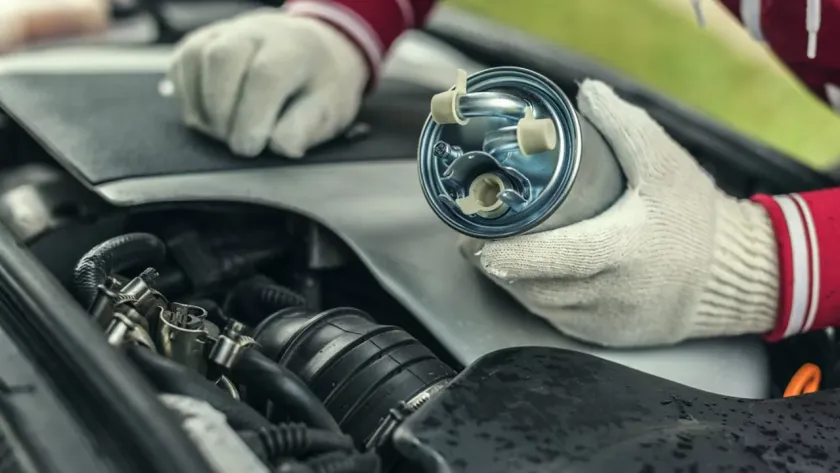
A fuel pump works quietly behind the scenes, yet it is one of the most essential parts of any engine. It delivers fuel from the tank to the engine at the right pressure, allowing combustion to happen smoothly. When it begins to fail, the engine may struggle to start, hesitate, or stop unexpectedly. These issues often appear without warning, leaving drivers unsure about what to do next.
A failing pump does not always mean the car is completely unusable. In many cases, there are temporary ways to get the engine started and move the vehicle to a safer location or repair shop. These methods are not permanent fixes, but they can be helpful in urgent situations.
Knowing the right approach helps avoid unnecessary stress and prevents further damage. With careful steps and basic awareness, it is possible to handle the situation safely and make informed decisions about repair or replacement.
Table of Contents
Signs Of A Bad Fuel Pump Before Starting Issues
Engine Cranking Without Starting
One of the earliest and most noticeable signs of a failing fuel pump is when the engine cranks but does not start. The starter motor turns the engine as usual, but there is no ignition because fuel is not reaching the combustion chamber. This often creates confusion, as it may seem like a battery or ignition issue at first.
A weak fuel pump may still send a small amount of fuel, but not enough to support proper combustion. In some cases, the engine may start briefly and then stall within seconds. This inconsistent behavior is a clear indication that fuel delivery is compromised.
Drivers may also notice longer cranking times before the engine starts. This delay happens because the pump struggles to build the required pressure. Recognizing this pattern early helps in taking action before the pump fails completely.
Loss Of Power And Sudden Stalling
A failing fuel pump often leads to reduced engine performance. The vehicle may feel sluggish, especially during acceleration or when climbing hills. This happens because the engine is not receiving enough fuel to maintain power.
Sudden stalling is another common symptom. The engine may shut off unexpectedly while driving, which can be dangerous in certain situations. Restarting the vehicle may become increasingly difficult as the pump continues to weaken.
These issues are usually more noticeable under load, such as when carrying passengers or driving at higher speeds. Paying attention to these changes helps identify the problem before it becomes severe.
Unusual Noise From Fuel Tank Area
Fuel pumps are designed to operate quietly, producing only a soft humming sound. When the pump begins to fail, it may produce louder noises such as whining or buzzing. These sounds often come from the fuel tank area.
A noisy pump indicates internal wear or strain. It may be working harder than normal to maintain pressure, which eventually leads to failure. Ignoring these sounds can result in complete breakdown.
Listening for unusual noises during ignition or while driving can provide early warning. Addressing the issue at this stage helps avoid sudden starting problems later.
Methods To Start A Car With A Bad Fuel Pump
Cycling The Ignition Key To Build Pressure
One of the simplest methods to start a car with a weak fuel pump is to cycle the ignition key. Turn the key to the “ON” position without starting the engine, wait a few seconds, then turn it off. Repeat this process several times before attempting to start the car.
This method allows the pump to build fuel pressure gradually. Each cycle gives the pump a chance to push a small amount of fuel into the system. After a few cycles, there may be enough pressure to start the engine.
This approach works best when the pump is weak but not completely failed. It is a temporary solution that helps in starting the vehicle when immediate movement is necessary.
Patience is important during this process. Rushing the steps may reduce the chances of success.
Tapping The Fuel Tank As Temporary Solution
Another commonly used method involves lightly tapping the fuel tank. This can sometimes help free a stuck fuel pump and restore temporary operation. The tapping should be done gently using a tool or by hand, avoiding excessive force.
The idea behind this method is to dislodge internal components that may be stuck due to wear or debris. Once freed, the pump may function briefly, allowing the engine to start.
This method is not guaranteed to work in every case, but it can be effective when the pump is partially stuck. It should only be used as a temporary measure to move the vehicle to a repair location.
Repeated use of this method is not recommended, as it does not fix the underlying problem.
Using Starting Fluid For Emergency Start
Starting fluid can be used as a last resort to help the engine start. It is sprayed into the air intake, providing a combustible mixture that allows the engine to fire briefly. Once the engine starts, the fuel pump may continue to supply fuel if it is still partially functional.
This method should be used carefully and only when necessary. Excessive use of starting fluid can damage engine components. It is important to follow proper safety guidelines and avoid overuse.
Starting fluid is useful in emergency situations where other methods have failed. It provides a short-term solution that helps move the vehicle to a safe location.
Proper handling ensures that the engine is not exposed to unnecessary risk.
Comparison Of Temporary Methods
| Method | Ease Of Use | Effectiveness | Risk Level | Best Use Case |
| Ignition Key Cycling | Easy | Moderate | Low | Weak Pump Condition |
| Tapping Fuel Tank | Moderate | Temporary | Medium | Stuck Pump Component |
| Starting Fluid Use | Moderate | Short-Term | High | Emergency Start Only |
Risks Of Driving With A Bad Fuel Pump
Increased Chance Of Sudden Breakdown
Driving with a failing fuel pump increases the risk of sudden breakdown. The pump may stop working completely without warning, leaving the vehicle unable to start or continue running.
This can happen in inconvenient or unsafe locations, such as highways or remote areas. The unpredictability of a failing pump makes it risky to rely on temporary fixes for extended periods.
Planning for repair as soon as possible reduces the chances of being stranded. Temporary solutions should only be used to reach a safe destination.
Potential Damage To Engine Components
A weak fuel pump can cause the engine to run lean, meaning it receives less fuel than required. This can lead to overheating and increased stress on internal components.
Over time, this condition may damage parts such as injectors or valves. Repairing these components can be costly and time-consuming.
Maintaining proper fuel delivery is essential for engine health. Ignoring the issue can lead to more serious problems beyond the pump itself.
Addressing the problem early helps protect the engine from additional damage.
Safety Concerns During Driving
A failing fuel pump can affect vehicle control, especially if the engine stalls unexpectedly. Loss of power steering and braking assistance can make the situation more dangerous.
This is particularly concerning in traffic or at higher speeds. Ensuring that the vehicle is driven only for short distances during this condition reduces risk.
Safety should always be the priority when dealing with fuel system issues. Taking precautions helps avoid accidents and ensures a safer outcome.
Long Term Solution And Replacement Cost
Why Replacement Is The Only Permanent Fix
Temporary methods may help start the car, but they do not solve the underlying issue. A failing fuel pump will continue to degrade until it stops working completely.
Replacing the pump restores proper fuel delivery and ensures reliable operation. It also prevents further damage to the engine and fuel system.
Delaying replacement often leads to higher repair costs and increased inconvenience. Taking action at the right time ensures long-term reliability.
Investing in a proper repair eliminates the need for repeated temporary fixes.
Average Cost Of Fuel Pump Replacement
The cost of replacing a fuel pump varies depending on the vehicle type and labor charges. On average, the total cost ranges between ₹6,000 to ₹25,000.
The pump itself usually costs between ₹3,000 to ₹12,000, while labor charges depend on the complexity of the installation. Some vehicles require removal of the fuel tank, which increases labor time.
Additional costs may include replacing filters or cleaning the fuel system. These services improve overall performance and prevent future issues.
Understanding the cost helps in planning the repair and avoiding unexpected expenses.
Tips To Extend Fuel Pump Life
Maintaining a healthy fuel system helps extend the life of the pump. Keeping the fuel tank at least partially full prevents overheating, as the fuel acts as a coolant.
Using high-quality fuel reduces the risk of contamination and wear. Regular maintenance, including replacing filters, ensures smooth operation.
Avoiding frequent low-fuel driving conditions reduces strain on the pump. These simple practices help maintain reliability and reduce the need for early replacement.
Consistent care ensures that the fuel pump performs efficiently over time.
Frequently Asked Questions
Q1: Can A Car Start With A Completely Failed Fuel Pump?
No, if the fuel pump has completely failed, the engine will not receive fuel and cannot start. Temporary methods only work when the pump is weak but still partially functional.
Q2: Is It Safe To Drive With A Bad Fuel Pump?
Driving short distances may be possible, but it is not recommended for long trips. The risk of sudden breakdown and safety concerns makes it important to repair the issue quickly.
Q3: How Long Can A Failing Fuel Pump Last?
A failing pump may continue working for a short period, but its performance will decline. It is unpredictable and should be replaced as soon as possible.
Q4: Does Tapping The Tank Damage The Car?
Light tapping is generally safe when done carefully, but repeated or forceful tapping can damage the tank or internal components. It should only be used as a temporary solution.
Q5: Can Fuel Additives Fix A Bad Pump?
Fuel additives may help clean minor deposits but cannot repair a failing pump. Replacement is the only reliable solution for long-term performance.
A failing fuel pump can create unexpected challenges, but knowing how to handle the situation makes a significant difference. Temporary methods can help start the engine in urgent cases, but they should only be used to reach a safe location. Taking timely action and replacing the pump ensures reliable performance and prevents further complications.

- What Does BSM Mean In A Car And How It Works - May 2, 2026
- How Much Rhodium Is In A Catalytic Converter - May 2, 2026
- How Fast Can You Drive In 4 High Safely? - May 2, 2026