Catalytic converter theft has become a major concern for vehicle owners across many countries. These emissions-control components contain valuable precious metals such as platinum, palladium, and rhodium, making them attractive targets for thieves looking to sell scrap materials quickly. In many cases, thieves can remove a catalytic converter in only a few minutes using simple cutting tools, leaving vehicle owners facing expensive repairs and insurance claims.
Not every vehicle carries the same level of theft risk. Some cars are targeted far more often because their catalytic converters contain higher amounts of valuable metals or are easier to access underneath the vehicle. Others remain less attractive to thieves due to lower scrap value, difficult converter placement, limited ground clearance, or advanced protective designs.
Drivers shopping for safer vehicle choices often want to know which models are less likely to experience catalytic converter theft. Vehicle design, ride height, engine type, and exhaust layout all play important roles in determining overall theft risk. Knowing these differences helps owners make smarter decisions about both vehicle purchases and theft prevention strategies.
Table of Contents
Why Some Cars Are Targeted More Than Others
Catalytic converter theft is not random. Thieves usually focus on vehicles that offer the fastest access and the highest potential resale value from the converter itself.
Valuable Precious Metals Inside Converters
Catalytic converters contain small amounts of precious metals used to reduce harmful exhaust emissions. Platinum, palladium, and rhodium help convert toxic gases into safer emissions before they exit the exhaust system.
Among these metals, rhodium is especially valuable because market prices can rise dramatically depending on industrial demand. Hybrid vehicles often become major targets because their converters sometimes contain higher concentrations of these metals compared to traditional gasoline vehicles.
Thieves remove converters quickly and sell them to illegal scrap buyers or underground recycling operations. The actual payout varies depending on vehicle type, converter size, and current metal prices.
Because converter theft depends heavily on resale value, vehicles with lower-value converters are generally less attractive targets. Cars with smaller engines or less valuable converter materials often experience lower theft rates compared to hybrids or large trucks.
Converter design also matters because some units are integrated tightly into the exhaust manifold, making removal much harder and less profitable for thieves.
| Theft Risk Factor | Why It Matters |
| High Precious Metal Content | Increases Scrap Value |
| Easy Undercarriage Access | Faster Removal |
| High Ground Clearance | Easier Tool Access |
| Popular Vehicle Models | More Available Buyers |
Ground Clearance And Easy Access
Vehicle height plays a major role in catalytic converter theft risk. SUVs, trucks, vans, and crossovers often sit higher off the ground, giving thieves easier access underneath without needing a jack.
Cars with low ride height are generally harder targets because there is less working space under the vehicle. Sports cars, low sedans, and compact hatchbacks often discourage quick theft attempts due to limited clearance.
Thieves prefer fast and low-risk operations. If crawling underneath the vehicle becomes difficult or time-consuming, they may move on to easier targets nearby instead.
Converter location also matters. Some vehicles place the catalytic converter close to the engine near the firewall, making removal more complicated. Others position it farther underneath the vehicle where access is easier.
Factory skid plates, aerodynamic panels, and underbody covers can create additional barriers that discourage theft attempts as well.
Hybrid Vehicles And Their Higher Theft Rates
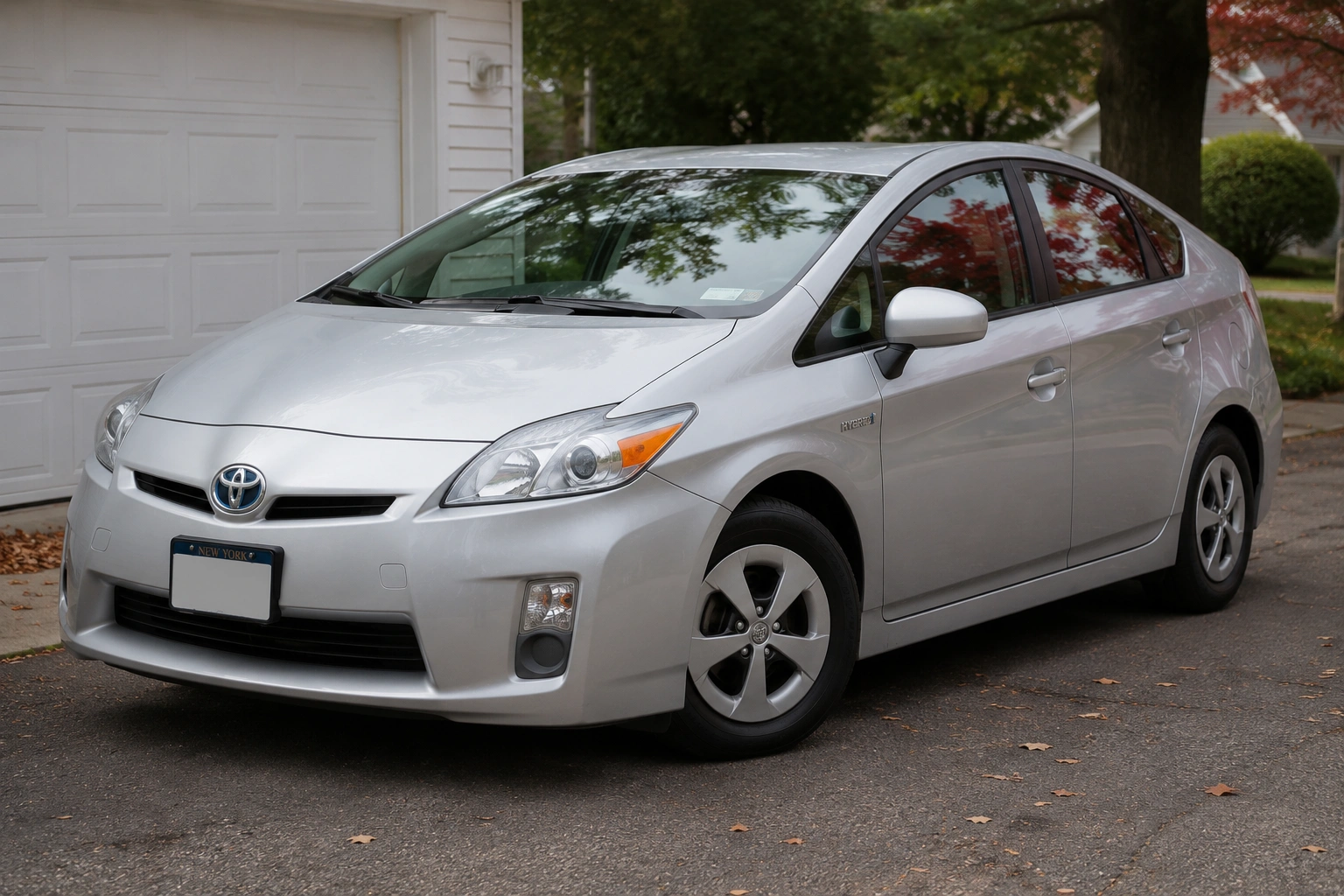
Hybrid vehicles are among the most targeted vehicles for catalytic converter theft. Models like the Toyota Prius became especially popular targets because their converters often contain higher concentrations of valuable metals.
Hybrids use their gasoline engines less aggressively than traditional cars because electric motors assist during operation. This reduced engine usage places less stress on the catalytic converter, keeping internal metals in better condition for longer periods. Scrap buyers therefore value hybrid converters highly.
In addition, many hybrids have easily accessible undercarriages, allowing thieves to remove converters quickly using battery-powered saws.
Because hybrid theft became so common in certain regions, many owners now install anti-theft shields and protective cages underneath their vehicles.
Not all hybrids face equal risk, but many older hybrid models remain among the most commonly targeted vehicles worldwide.
Cars Least Likely To Have Catalytic Converter Stolen
Certain vehicles naturally reduce theft risk because of their design, converter placement, or lower resale value.
Low Ground Clearance Sedans And Sports Cars
Vehicles with low ride height are generally less attractive to catalytic converter thieves. Limited underbody space makes converter access more difficult and time-consuming without lifting the vehicle first.
Sports cars, performance coupes, and low sedans often discourage theft because thieves prefer fast removal operations that minimize exposure. Crawling underneath low vehicles increases effort and risk.
Cars like the Mazda MX-5 Miata, Chevrolet Corvette, and several luxury performance sedans usually provide tighter underbody clearance compared to taller SUVs or trucks.
Some modern sedans also place the catalytic converter closer to the engine manifold rather than farther underneath the chassis. This integrated design increases removal difficulty because thieves cannot easily access the converter from below.
Although no vehicle is completely theft-proof, low-profile vehicles generally face lower converter theft rates because easier targets are usually available nearby.
Electric Vehicles Without Catalytic Converters
Fully electric vehicles do not use catalytic converters at all because they produce no gasoline exhaust emissions. This completely eliminates catalytic converter theft risk.
Vehicles such as the Tesla Model 3, Nissan Leaf, and Hyundai Ioniq 5 do not contain traditional exhaust systems requiring catalytic converters.
As electric vehicle adoption increases, converter theft naturally becomes impossible on these models. However, EVs may still attract thieves for other reasons such as wheel theft or charging cable theft in some areas.
For drivers especially concerned about catalytic converter theft, fully electric vehicles provide the most complete protection because the targeted component simply does not exist.
Hybrid vehicles differ significantly from fully electric vehicles because hybrids still use gasoline engines and therefore still require catalytic converters.
| Vehicle Type | Theft Risk Level |
| Fully Electric Vehicles | Extremely Low |
| Low Sports Cars | Low |
| Compact Sedans | Moderate To Low |
| Large Trucks And SUVs | Higher Risk |
Vehicles With Integrated Exhaust Designs
Some manufacturers design exhaust systems where the catalytic converter is integrated directly into the exhaust manifold near the engine. This placement makes theft significantly more difficult compared to converters mounted farther underneath the vehicle.
Modern turbocharged engines often use tightly packaged emissions systems for faster catalyst heating and improved efficiency. Because these converters sit higher inside the engine bay, thieves cannot easily remove them from beneath the car.
Several German luxury brands and newer compact turbocharged vehicles use integrated designs that naturally discourage theft attempts. The added complexity increases removal time substantially.
Vehicles with extensive underbody shielding also create additional barriers. Some manufacturers install aluminum panels or aerodynamic covers that protect exhaust components from easy access.
Although integrated systems may increase repair complexity for legitimate maintenance, they also reduce converter theft vulnerability considerably.
Vehicles Commonly Targeted By Thieves
Understanding which vehicles face higher theft risk helps explain why certain models remain safer choices overall.
Popular Hybrid Targets
Older hybrid vehicles remain among the most targeted models because their converters contain valuable metals and are relatively easy to access.
The Toyota Prius became especially associated with catalytic converter theft due to its popularity and converter value. Older Prius generations are still heavily targeted in many urban areas.
Hybrid SUVs and taxis also experience elevated theft rates because high mileage usage keeps converter metals valuable while vehicle height improves underbody access.
Some thieves specifically search parking lots for hybrids because they recognize the potential resale value immediately.
Hybrid owners often respond by installing anti-theft shields, parking indoors, or engraving VIN numbers onto converters for identification purposes.
Trucks And SUVs With High Ground Clearance
Large trucks and SUVs provide excellent access underneath the vehicle, making converter removal faster and easier. Thieves often prefer these vehicles because they require less effort and no lifting equipment.
Popular pickup trucks like the Ford F-150 and SUVs with high ride height frequently appear on theft reports. Vans used for commercial fleets also face elevated risk because they often park outdoors overnight.
Large converters found on trucks sometimes contain more valuable metals as well, increasing potential profit for thieves.
Commercial vehicles are especially vulnerable because fleet parking lots may contain multiple similar targets parked together in unsecured areas.
Owners of high-clearance vehicles should consider additional security measures even if the vehicle itself is not among the highest-value targets.
Older Vehicles With Exposed Exhaust Systems
Older vehicles often lack modern underbody shielding or integrated converter designs. Many use simpler exhaust layouts with exposed converters located directly underneath the cabin area.
This placement allows thieves to remove the converter quickly using portable cutting tools. Older vehicles may also lack modern alarm systems capable of detecting underbody tampering.
Rust and aging hardware sometimes make removal even easier because exhaust components weaken over time.
Vehicles built before newer emissions packaging designs became common generally face greater converter theft risk overall.
How To Reduce Catalytic Converter Theft Risk
Even vehicles considered lower risk still benefit from preventive security measures.
Installing Catalytic Converter Shields
Catalytic converter shields are metal plates or cages installed underneath the vehicle to protect the converter from cutting tools. These devices increase removal difficulty and time, discouraging many theft attempts.
Aluminum and steel shields are common depending on vehicle design. Some shields fully enclose the converter while others block easy saw access points.
Professional installation is often recommended because improper mounting may create rattling, overheating, or exhaust clearance issues.
Although shields do not make theft impossible, they significantly increase effort and noise during removal attempts. Most thieves prefer easier targets when protective barriers are present.
Fleet vehicles and hybrid owners commonly use shields because of their proven theft deterrent benefits.
| Theft Prevention Method | Benefit |
| Catalytic Converter Shield | Blocks Easy Access |
| Indoor Parking | Reduces Exposure |
| Security Cameras | Increases Deterrence |
| VIN Engraving | Improves Identification |
Parking In Safer Locations
Parking habits strongly affect converter theft risk. Vehicles parked in garages or secured parking structures face lower exposure compared to street parking or dark outdoor lots.
Well-lit parking areas discourage theft because visibility increases the chances of detection. Security cameras and motion-sensitive lighting add additional deterrence.
Parking close to building entrances or near high-traffic areas also reduces risk because thieves prefer isolated locations where they can work unnoticed.
Commercial fleet operators often use fenced lots or monitored parking areas to protect multiple vehicles overnight.
Even lower-risk vehicles benefit from safer parking practices because thieves may still attempt opportunistic thefts when conditions allow.
Alarm Systems And Motion Sensors
Some aftermarket alarm systems include tilt sensors or vibration detection capable of identifying underbody tampering attempts. These systems trigger loud alarms if thieves attempt to lift or cut underneath the vehicle.
Motion-sensitive cameras and GPS monitoring systems may also help identify theft activity in parking areas.
While alarms alone may not stop determined thieves completely, they increase the chances of interruption before removal is completed.
Layered security generally provides the strongest protection because thieves usually avoid vehicles requiring extra time and attention.
The Real Truth About Catalytic Converter Theft
Many drivers assume converter theft affects only certain regions or older vehicles, but the reality is more complicated.
No Vehicle Is Completely Theft-Proof
Although some cars face lower risk than others, no gasoline-powered vehicle is completely immune from catalytic converter theft. Thieves adapt constantly based on scrap values, local demand, and vehicle availability.
Vehicles with lower ground clearance, integrated converters, or smaller engines naturally discourage theft more effectively, but determined criminals may still target them under certain conditions.
Electric vehicles remain the only complete exception because they do not use catalytic converters at all.
Drivers should focus on reducing theft opportunity rather than assuming any vehicle is entirely safe automatically.
Converter Theft Often Depends On Opportunity
Many converter thefts happen because vehicles remain parked in vulnerable locations for long periods. Easy access, darkness, poor security, and predictable parking habits increase risk significantly.
Thieves usually prioritize speed and low visibility over mechanical complexity. A moderately valuable converter on an easy target often becomes more attractive than a highly valuable converter requiring difficult removal.
Security measures do not need to make theft impossible — they simply need to make the vehicle less appealing than nearby alternatives.
Insurance And Repair Costs Continue Rising
Catalytic converter replacement costs can become surprisingly expensive because modern emissions systems involve sensors, exhaust components, and labor-intensive repairs.
Hybrid vehicles often face especially high repair costs because replacement converters themselves are more valuable.
Insurance claims related to converter theft have increased dramatically in many regions, leading some owners to install preventive protection before theft occurs.
Knowing which vehicles face lower risk helps drivers make smarter ownership decisions while avoiding unnecessary repair expenses later.
Summary
Cars least likely to have catalytic converters stolen are usually vehicles with low ground clearance, integrated exhaust designs, smaller converter values, or fully electric drivetrains without converters entirely. Sports cars, low sedans, and modern EVs naturally discourage theft because access becomes more difficult or the targeted component does not exist at all.
Vehicles most commonly targeted include older hybrids, large SUVs, trucks, and models with easily accessible underbody exhaust systems. Thieves generally prioritize speed, convenience, and high scrap value when selecting targets.
Although no gasoline-powered vehicle is completely immune, proper parking habits, catalytic converter shields, security systems, and underbody protection significantly reduce overall theft risk. Drivers who combine safer vehicle choices with preventive security measures usually experience far better long-term protection against converter theft.
FAQ
Which Cars Are Least Likely To Have Catalytic Converter Theft?
Low sports cars, compact sedans with integrated converters, and fully electric vehicles are generally least likely to experience catalytic converter theft.
Why Are Hybrid Cars Targeted More Often?
Hybrid catalytic converters often contain higher amounts of valuable precious metals and remain in better condition because the gasoline engine runs less frequently.
Do Electric Cars Have Catalytic Converters?
No, fully electric vehicles do not use catalytic converters because they produce no gasoline exhaust emissions.
Can A Catalytic Converter Shield Stop Theft Completely?
Shields greatly reduce theft risk by increasing removal difficulty and time, but no protection system guarantees complete theft prevention.
Are SUVs More Likely To Have Catalytic Converters Stolen?
Yes, SUVs and trucks usually have higher ground clearance, making converter access easier for thieves.
- How Fast Do Airbags Deploy? Complete Safety Guide - May 8, 2026
- Where Does Antifreeze Go? Complete Car Coolant Guide - May 8, 2026
- Which Cars Are Least Likely To Have Catalytic Converter Stolen? - May 8, 2026