
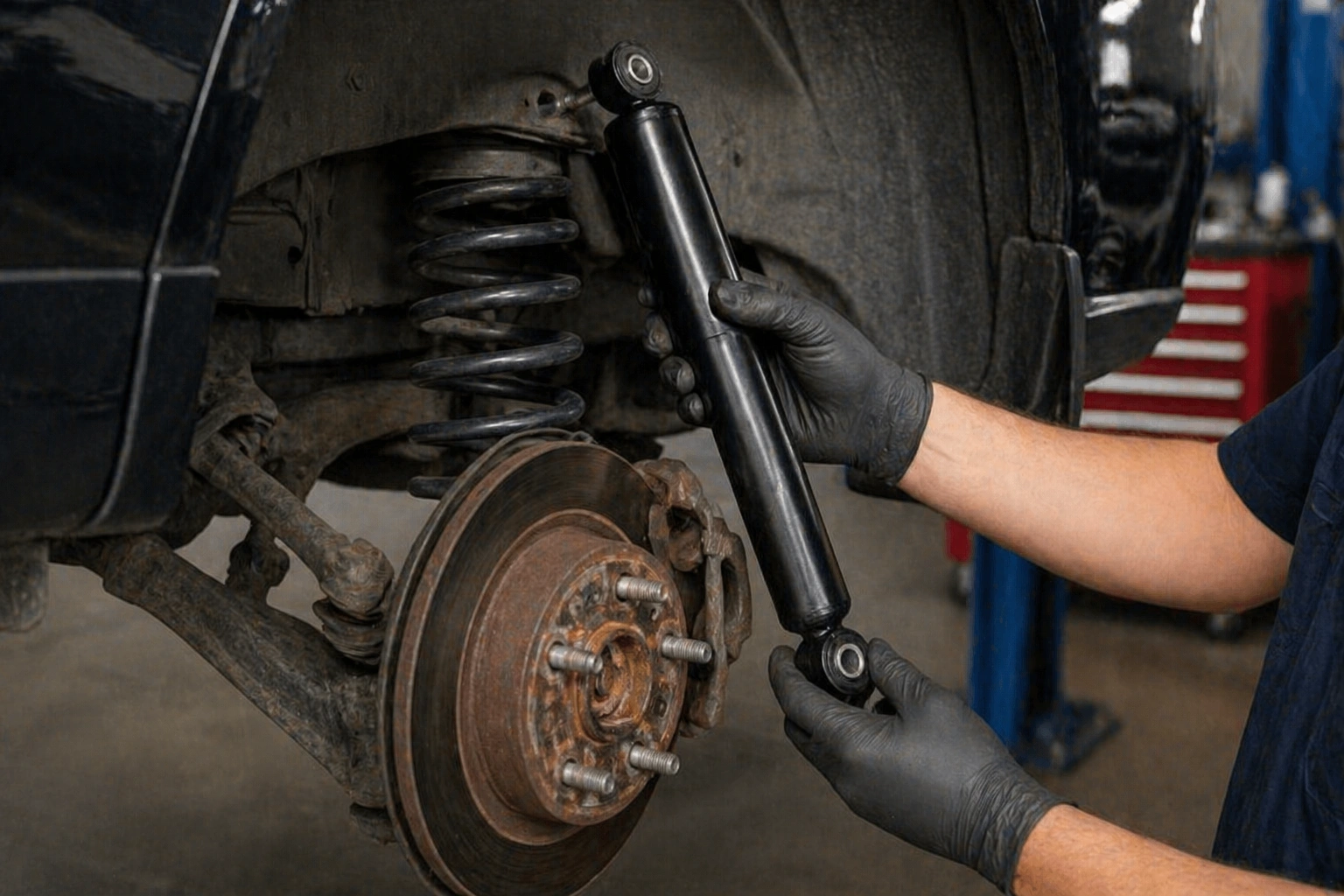
Suspension systems play a major role in how a vehicle feels on the road. While engines and transmissions get most of the attention, components like shock absorbers quietly handle bumps, vibrations, and stability.
Over time, these parts wear out due to constant movement and exposure to rough road conditions. When shocks begin to fail, the ride becomes less controlled, braking distances can increase, and handling may feel unpredictable.
Replacing worn shocks is not just about comfort—it directly affects safety and vehicle control. Many drivers start noticing signs such as excessive bouncing, uneven tire wear, or a nose diving effect when braking.
Many cars rely heavily on well functioning suspension systems to maintain stability. The cost of replacing shocks varies depending on several factors including vehicle type, part quality, and labor requirements. Having a clear idea of these costs helps in planning maintenance and avoiding unexpected expenses.
Table of Contents
Average Shock Replacement Cost For Different Vehicles
Cost Range For Passenger Cars
For most passenger cars, shock replacement costs typically range between moderate to higher levels depending on the brand and parts used. On average, replacing shocks on a standard sedan may cost between $300 and $800 for both rear shocks. This includes both parts and labor.
Vehicles such as the Honda Accord often fall within this price range because their suspension systems are relatively simple and widely supported with aftermarket parts.
The cost may increase if premium or performance shocks are selected. Labor costs also vary depending on location and service provider.
Replacing shocks in pairs is generally recommended to maintain balanced handling.
This ensures consistent performance across both sides of the vehicle.
Cost Differences In Trucks And SUVs
Larger vehicles such as trucks and SUVs usually have higher replacement costs due to heavier suspension components and more complex systems. Shock replacement for these vehicles can range from $500 to over $1200 depending on the model.
Pickup trucks like the Chevrolet Silverado 1500 often require heavy duty shocks designed to handle towing and load carrying. These parts are more expensive than standard passenger car components.
SUVs such as the Toyota RAV4 may also have additional suspension components that increase labor time.
The added weight and design complexity contribute to higher overall costs.
Choosing the right shock type is essential for maintaining proper ride quality and stability.
Factors That Affect Shock Replacement Cost
Type And Quality Of Shock Absorbers
The type of shock absorber selected has a direct impact on cost. Standard shocks are generally more affordable and suitable for everyday driving. Performance shocks or heavy duty variants cost more but offer improved handling and durability.
Gas charged shocks, for example, provide better stability and are often used in modern vehicles. Adjustable shocks allow customization but come at a higher price.
Vehicles such as the Subaru Outback may use specialized suspension components depending on trim level.
Choosing higher quality parts can increase initial cost but may extend service life.
Balancing cost and performance helps ensure long term value.
Labor Costs And Installation Complexity
Labor charges vary based on vehicle design and accessibility of suspension components. Some vehicles have shocks that are easy to replace, while others require additional disassembly.
Front suspension systems, especially those with struts, often take longer to service than rear shocks. This increases labor time and cost.
Vehicles like the BMW 3 Series may require specialized tools or procedures, which can further raise labor expenses.
Service location also influences pricing, as labor rates differ between regions.
Professional installation ensures proper alignment and performance.
Signs That Indicate Shock Replacement Is Needed
Changes In Ride Comfort And Handling
Worn shocks often cause noticeable changes in how a vehicle feels on the road. Excessive bouncing after hitting bumps is one of the most common signs. The vehicle may feel less stable, especially during turns or sudden stops.
Braking performance can also be affected. When shocks fail, the vehicle may dip forward more than usual during braking.
Vehicles such as the Nissan Altima depend on stable suspension systems for consistent handling.
These changes indicate that the shocks are no longer absorbing impact effectively.
Replacing them restores control and improves overall stability.
Uneven Tire Wear And Suspension Noise
Worn shocks can lead to uneven tire wear because the tires do not maintain consistent contact with the road. This can shorten tire lifespan and increase maintenance costs.
Unusual noises such as clunking or knocking from the suspension area may also indicate worn components.
Vehicles like the Jeep Grand Cherokee may produce these sounds when suspension parts begin to fail.
Addressing these issues early helps prevent further damage to related components.
Regular inspections can identify problems before they become severe.
Should You Replace Shocks Yourself Or Hire A Professional
Replacing shocks can be a manageable task for those with mechanical experience and proper tools. However, it involves working with suspension components that are under tension, which requires caution.
For many drivers, professional installation is the safer option. Technicians have the tools and expertise needed to complete the job efficiently and correctly.
Vehicles such as the Ford Escape may have suspension designs that require specific procedures during installation.
Improper installation can lead to poor handling or additional repairs.
Choosing professional service ensures that the suspension system operates as intended.
Shock replacement cost depends on vehicle type, part quality, and labor requirements. Passenger cars generally fall within a moderate price range, while trucks and SUVs may require higher investment due to heavier components.
Replacing worn shocks improves ride comfort, handling, and safety. Recognizing early signs and choosing the right replacement options helps maintain vehicle performance and prevents more expensive repairs in the future.

- Shock Replacement Cost Breakdown And What To Expect - April 30, 2026
- Do Exhaust Tips Change Sound Or Just Style - April 30, 2026
- How Many Quarts Of Transmission Fluid Do You Need - April 30, 2026