
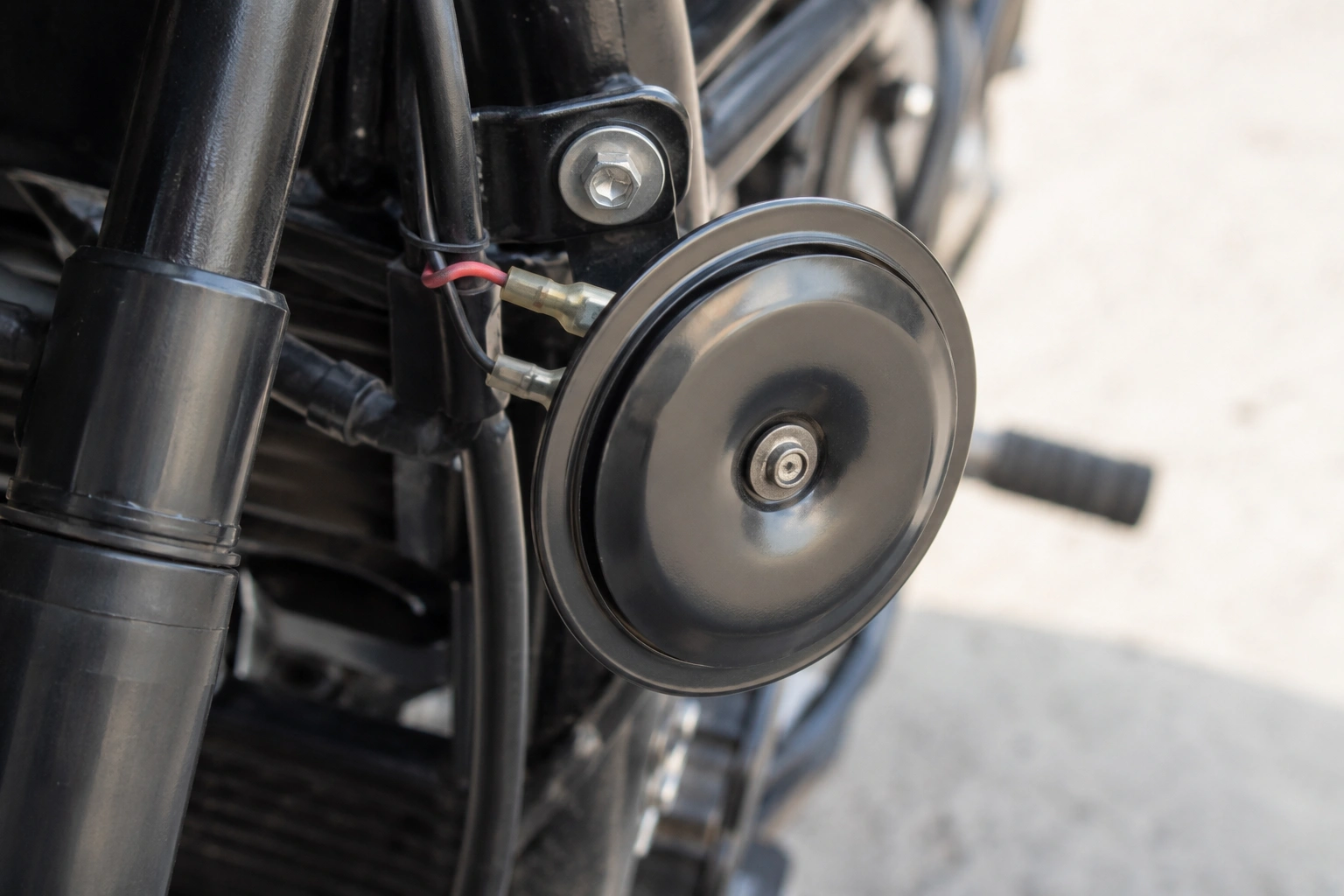
Motorcycles are smaller and less visible than most vehicles on the road, which makes rider awareness and visibility extremely important. Along with headlights and protective gear, the horn plays a major role in helping riders alert nearby drivers. A weak factory horn can sometimes go unnoticed in heavy traffic, leading many riders to upgrade to a louder option for added safety.
A loud motorcycle horn is designed to produce a stronger and more noticeable sound compared to standard stock horns. These upgraded systems help riders gain attention quickly in situations where visibility alone may not be enough. Whether navigating city traffic or riding on busy highways, a powerful horn can make a significant difference.
Choosing the right horn involves more than simply looking for the loudest option. Sound type, installation requirements, electrical compatibility, and local regulations all play a role in finding the best setup for a motorcycle.
Table of Contents
Why Loud Motorcycle Horns Matter
Importance Of Audible Warning Systems
Motorcycles are harder to notice than larger vehicles, especially in crowded traffic conditions. Drivers may fail to see a rider when changing lanes or turning at intersections. In these situations, a loud horn becomes an important communication tool.
An effective horn provides an immediate audible warning that attracts attention faster than visual signals alone. This helps reduce the chance of accidents caused by blind spots or distracted drivers.
The ability to react quickly can make a major difference in road safety. A stronger horn improves the rider’s ability to alert others during critical moments.
Reliable warning systems contribute to safer riding conditions overall.
Limitations Of Factory Motorcycle Horns
Many motorcycles come equipped with compact factory horns designed mainly to meet minimum legal requirements. While these horns function adequately in quiet conditions, they may struggle to stand out in busy urban traffic.
Road noise, music, closed vehicle windows, and large trucks can easily overpower a weak horn. Riders often realize this limitation when they attempt to alert a driver who does not respond.
Factory horns are also limited by size and electrical capacity. Manufacturers often prioritize compact design and lower production cost over maximum sound output.
These limitations encourage many riders to consider aftermarket upgrades.
Difference Between Loud And Standard Horns
A loud motorcycle horn produces significantly higher sound pressure levels compared to standard horns. Most factory motorcycle horns operate around 90 to 100 decibels, while upgraded air or electric horns can exceed 120 decibels.
The increase in volume allows the sound to cut through surrounding traffic noise more effectively. Some horns also use lower or dual-tone frequencies that attract attention more quickly.
In addition to loudness, the tone and clarity of the horn affect how noticeable it is. A sharp, deep sound is often easier for drivers to recognize.
The right combination of volume and tone improves effectiveness on the road.
Types Of Loud Motorcycle Horns
Electric Disc Horns
Electric disc horns are among the most common aftermarket upgrades for motorcycles. They are compact, relatively simple to install, and provide improved sound compared to factory units.
These horns use an electrically powered diaphragm to create sound. Many dual-tone versions produce a fuller and more attention-grabbing sound.
Electric disc horns are suitable for riders who want better performance without major modifications. They usually connect directly to the motorcycle’s existing wiring system.
Their balance of size, cost, and performance makes them popular for daily riding.
Air Horn Systems
Air horns are known for producing extremely loud sound levels. These systems use compressed air to generate a powerful blast that resembles larger vehicle horns.
Most motorcycle air horns include a small compressor and trumpet assembly. The compressor forces air through the horn, creating a sharp and highly noticeable sound.
Because of their size and power requirements, installation can be more complex compared to standard electric horns. However, the increased sound output provides strong road presence.
Air horns are often preferred by touring riders and those who frequently travel in heavy traffic.
Compact High Performance Horns
Compact high-performance horns combine powerful sound with a smaller design. These units are built specifically for motorcycles where installation space is limited.
They often use advanced internal designs to maximize sound output while minimizing size. Some models produce sound levels similar to larger air horns without requiring external compressors.
This makes them suitable for sport bikes and smaller motorcycles with limited mounting space.
Compact performance horns provide a balance between practicality and loudness.
Key Features To Consider Before Buying
Sound Level And Decibel Rating
One of the first specifications riders notice is the decibel rating. Higher decibel levels generally indicate a louder horn, but the tone also matters.
A horn rated between 110 and 130 decibels is usually strong enough for most road situations. However, excessively loud horns may violate local noise regulations in some areas.
Choosing a horn with balanced volume and clear tone improves effectiveness without becoming unnecessarily harsh.
Sound quality matters as much as raw volume.
Compatibility With Motorcycle Electrical System
Motorcycle electrical systems vary in voltage capacity and available power. Before installing a loud horn, it is important to confirm compatibility with the bike’s wiring and battery.
Some high-powered horns require relays or upgraded wiring to handle increased electrical load. Ignoring these requirements can lead to blown fuses or weak horn performance.
Checking the manufacturer’s recommendations ensures safe installation.
Proper compatibility prevents electrical issues.
Size And Mounting Space
Motorcycles have limited mounting space, especially sport bikes and smaller models. Large air horns may not fit easily without custom brackets or relocation of other components.
Compact horns are easier to install but may produce slightly different sound characteristics compared to larger systems.
Measuring available space before purchasing helps avoid installation problems.
Choosing the correct size simplifies the process.
Loud Motorcycle Horn Comparison Table
| Horn Type | Average Sound Level | Installation Difficulty | Best Use |
| Factory Stock Horn | 90–100 dB | Very Easy | Basic Daily Use |
| Electric Disc Horn | 110–118 dB | Easy | Everyday Riding |
| Compact Performance Horn | 118–125 dB | Moderate | Sport And Urban Riding |
| Air Horn System | 120–130+ dB | Advanced | Highway And Touring Use |
How To Install A Loud Motorcycle Horn
Preparing Motorcycle For Installation
Before beginning installation, the motorcycle should be parked securely on a stable surface. Disconnecting the battery prevents accidental electrical shorts during the process.
The existing horn location should be inspected to determine available space and mounting options. Reading the installation instructions carefully ensures proper preparation.
Gathering the necessary tools beforehand simplifies the process and reduces mistakes.
Preparation improves installation accuracy and safety.
Wiring And Relay Connection
Many aftermarket horns require a relay to handle higher electrical current. The relay protects the motorcycle’s original wiring while supplying sufficient power to the horn.
Proper wiring includes secure ground connections and insulated terminals. Loose or poorly connected wires can cause weak performance or electrical failure.
Following the wiring diagram provided with the horn ensures correct installation.
Reliable wiring supports consistent horn operation.
Testing Horn Performance After Installation
Once installed, the horn should be tested before reassembling any removed components. The sound should be strong, clear, and immediate when the button is pressed.
Any weak sound or delayed response may indicate wiring issues or insufficient power supply.
Testing also ensures that the horn is securely mounted and does not interfere with nearby components.
Final inspection confirms proper installation.
Safety And Legal Considerations
Avoiding Excessive Noise Use
While a loud horn improves safety, excessive or unnecessary use can disturb others and create negative reactions. Horns should be used as warning devices rather than for aggressive behavior.
Responsible use helps maintain safety without contributing to noise pollution.
Using the horn appropriately ensures better interaction with other road users.
Moderation remains important even with powerful systems.
Local Noise Regulations
Some regions have regulations regarding maximum allowable horn volume. Extremely loud air horns may exceed legal limits depending on local laws.
Checking regulations before purchasing helps avoid fines or inspection issues.
Compliance ensures that the motorcycle remains street legal.
Legal awareness prevents unnecessary complications.
Maintaining Horn Reliability
Regular inspection keeps the horn functioning properly. Dirt, moisture, and vibration can affect electrical connections over time.
Checking mounting brackets and wiring periodically prevents unexpected failure. Air horns may also require inspection of compressors and air lines.
Consistent maintenance ensures dependable operation when it matters most.
A reliable horn contributes to overall rider safety.
A loud motorcycle horn provides more than just extra sound. It serves as an important safety tool that helps riders communicate clearly with surrounding traffic. Whether using a compact electric horn or a high-powered air horn system, the goal remains the same: improving awareness on the road. Choosing the right horn, installing it correctly, and using it responsibly helps create a safer and more confident riding experience without unnecessary complications.
Frequently Asked Questions?
How Loud Should A Motorcycle Horn Be?
Most upgraded motorcycle horns range between 110 and 130 decibels.
Are Air Horns Better Than Electric Horns?
Air horns are usually louder, but electric horns are easier to install.
Can A Loud Horn Damage Motorcycle Battery?
Not if installed correctly with proper wiring and relay support.
Is It Legal To Use Very Loud Motorcycle Horns?
Laws vary by region, so local regulations should be checked.
Do Loud Motorcycle Horns Improve Safety?
Yes, they help riders alert nearby drivers more effectively.

- Loud Motorcycle Horn Guide For Better Road Safety - May 6, 2026
- PZEV Meaning And How It Works In Modern Cars - May 6, 2026
- Starter Solenoid Wiring Guide And Common Problems - May 6, 2026