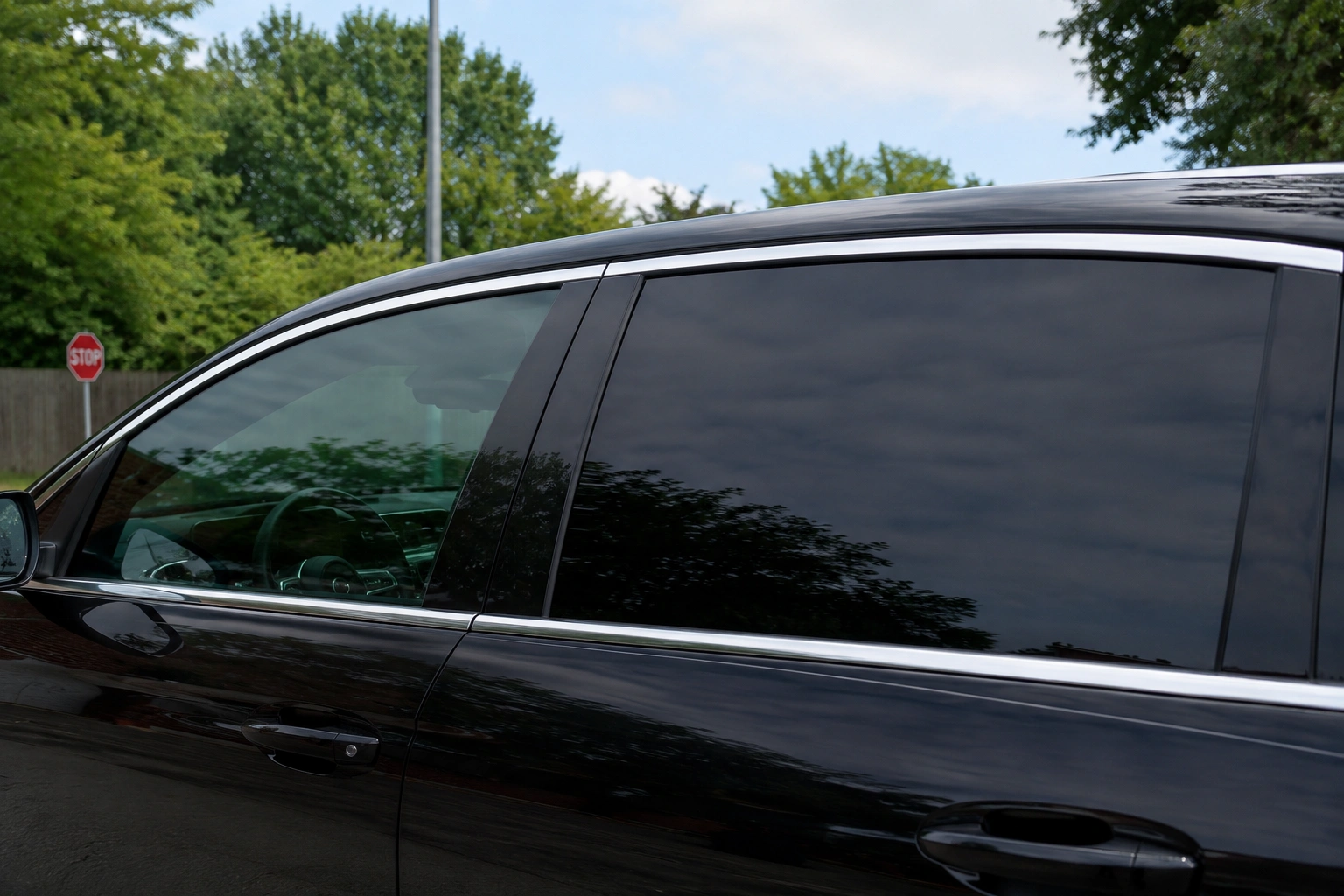
Window tint has become one of the most common vehicle upgrades for drivers who want added privacy, reduced sunlight, and a cleaner appearance. Along with improving cabin comfort, tint film can help block ultraviolet rays and lower interior heat during warm weather. While many drivers prefer darker tint for style, every state has its own laws that regulate how dark vehicle windows can be.
In New York, tint laws are enforced carefully, especially because visibility affects road safety. Vehicles with tint darker than the legal limit can fail inspections, receive fines, or require tint removal. These rules apply differently depending on window position, vehicle type, and visible light transmission percentage.
Drivers often become confused about what qualifies as legal tint in New York because factory glass, aftermarket film, and exemptions all affect compliance. A clear explanation of tint percentages, state regulations, and practical considerations helps drivers choose the right setup without creating legal or visibility problems.
Table of Contents
New York Window Tint Law Basics
What Tint Percentage Means
Window tint percentages are based on visible light transmission, often called VLT. This percentage measures how much visible light passes through the glass after tint film is applied.
A higher percentage means more light enters the vehicle, resulting in lighter tint. A lower percentage creates darker windows because less light passes through.
For example, a 70 percent tint allows 70 percent of visible light through the glass. This is much lighter than a 20 percent tint, which blocks most incoming light.
Understanding VLT is important because New York tint laws are based directly on these percentages.
Why New York Has Tint Restrictions
Tint laws exist mainly for safety and visibility reasons. Dark windows can reduce a driver’s ability to see clearly at night or during poor weather conditions.
Law enforcement officers also need to maintain visibility inside vehicles during traffic stops for safety purposes. Excessively dark tint can interfere with this visibility.
New York regulations aim to balance privacy and sunlight protection with safe driving conditions.
The laws are designed to improve visibility while still allowing moderate tint use.
Difference Between Factory Tint And Aftermarket Tint
Factory tint is usually built directly into the glass during manufacturing. It often appears darker than plain glass but still allows a relatively high amount of light to pass through.
Aftermarket tint film is applied to the inside surface of the windows after the vehicle is manufactured. This film can significantly reduce visible light transmission depending on the chosen percentage.
In New York, the combined effect of factory glass and aftermarket film must still remain within legal limits.
Drivers should consider both when selecting tint darkness.
Legal Tint Limits In New York
Front Side Window Tint Rules
In New York, front side windows must allow at least 70 percent of visible light to pass through. This applies to both the driver and front passenger windows.
This law means extremely dark front tint is not permitted for most vehicles. Even moderate aftermarket tint may push the glass below the legal threshold if factory tint already exists.
Many drivers are surprised to learn how light legal front tint must remain in New York compared to some other states.
Staying within legal limits helps avoid inspection failures and penalties.
Rear Side And Back Window Regulations
Passenger vehicles in New York must also maintain at least 70 percent VLT on rear side windows and the rear windshield. This creates stricter overall rules than many other states.
However, some multipurpose vehicles such as SUVs and vans may have slightly different allowances for rear windows.
Drivers should confirm the classification of their vehicle before selecting tint levels.
Vehicle type affects how tint laws are applied.
Windshield Tint Restrictions
New York law allows non-reflective tint only on the top portion of the windshield. This section is commonly known as the AS-1 line area.
Tint below this line is generally not permitted except for approved medical exemptions.
The purpose of this restriction is to maintain maximum forward visibility while still allowing glare reduction from sunlight.
Keeping the windshield mostly clear improves safety during all lighting conditions.
New York Legal Tint Table
| Window Location | Passenger Cars Requirement | SUVs And Vans Requirement |
| Front Side Windows | Minimum 70% VLT | Minimum 70% VLT |
| Rear Side Windows | Minimum 70% VLT | Can Vary By Vehicle Type |
| Rear Windshield | Minimum 70% VLT | Can Vary By Vehicle Type |
| Windshield Top Strip | Allowed Above AS-1 Line | Allowed Above AS-1 Line |
Penalties And Inspection Issues
Tint Violation Fines
Drivers with illegal tint in New York may receive traffic citations and fines. The exact amount can vary depending on the situation and local enforcement practices.
In some cases, officers may require proof that the illegal tint has been removed. Repeated violations can result in additional penalties.
Although tint tickets may seem minor, they can become inconvenient and costly over time.
Following legal guidelines helps avoid unnecessary problems.
Vehicle Inspection Failure
New York vehicle inspections include tint testing for compliance. If the tint does not meet legal standards, the vehicle may fail inspection.
This means registration renewal can become delayed until the tint issue is corrected.
Many drivers discover illegal tint only during inspection because the darkness may appear acceptable visually but still fail official measurement.
Using legal tint from the beginning prevents inspection complications.
Insurance And Safety Concerns
Excessively dark tint can also create visibility issues during nighttime or poor weather conditions. Reduced visibility may increase accident risk, especially while reversing or changing lanes.
In certain situations, illegal modifications may also complicate insurance claims after accidents.
Safe visibility remains one of the main reasons tint laws are enforced.
Balancing appearance with practicality is important for long-term use.
Choosing The Right Tint For New York
Best Tint Levels For Daily Use
Because New York has relatively strict tint laws, many drivers choose lighter films that remain close to the legal limit. Ceramic and high-quality films can still provide heat rejection and UV protection without becoming excessively dark.
A legal tint setup often looks cleaner and more natural while maintaining good visibility during both day and night driving.
Choosing lighter but high-performance tint helps improve comfort without creating legal concerns.
Practicality often matters more than extreme darkness.
Ceramic Vs Dyed Tint Film
Ceramic tint is known for strong heat rejection and UV protection without requiring extremely dark appearance. It also resists fading and interference with electronic signals better than some lower-cost films.
Dyed tint is usually more affordable but may fade over time and provide less heat reduction.
Drivers looking for long-term performance often prefer ceramic film despite the higher cost.
Film quality significantly affects overall satisfaction.
Importance Of Professional Installation
Professional installation improves both appearance and durability. Experienced installers can apply tint evenly while reducing bubbles, peeling, or contamination.
Professionals also understand local laws and can recommend legal tint percentages for specific vehicles.
Poor installation can ruin the appearance of even high-quality film.
Choosing an experienced installer helps ensure better results.
Medical Exemptions And Special Cases
Medical Tint Exemptions In New York
Some drivers qualify for medical exemptions that allow darker tint than normally permitted. These exemptions are intended for people with specific medical conditions that increase sensitivity to sunlight.
The process usually requires medical documentation and approval through the proper state channels.
Even with exemptions, certain restrictions may still apply depending on the situation.
Official approval is necessary before using darker tint legally.
Law Enforcement And Special Vehicles
Certain law enforcement or government vehicles may operate under different tint standards due to security or operational requirements.
Commercial and specialty vehicles may also have separate regulations depending on classification.
Vehicle category plays an important role in determining applicable tint rules.
Checking specific regulations prevents confusion.
Keeping Documentation Available
Drivers using medical exemptions should keep approval documents accessible in the vehicle. This helps avoid misunderstandings during traffic stops or inspections.
Proper documentation confirms legal authorization for darker tint.
Being prepared simplifies interactions with law enforcement and inspection stations.
Clear records help prevent unnecessary complications.
Tips For Maintaining Legal Window Tint
Checking Tint With Meter Testing
Tint meters measure visible light transmission accurately and help verify compliance. Professional tint shops often use these tools before installation.
Testing is useful because factory glass already affects VLT levels before film is added.
Accurate measurement prevents accidental violations.
Verification ensures compliance with state law.
Cleaning And Protecting Tint Film
Tint film should be cleaned with soft cloths and ammonia-free cleaners. Harsh chemicals can damage the surface or cause discoloration over time.
Proper care helps maintain clarity and appearance for many years.
Allowing the film to cure fully after installation also improves durability.
Routine maintenance protects the investment.
Replacing Damaged Or Bubbling Tint
Old or poorly installed tint may bubble, peel, or discolor over time. Damaged tint not only looks unattractive but may also affect visibility.
Replacing worn film restores both appearance and functionality.
Quality installation and materials reduce the likelihood of premature damage.
Fresh tint improves both comfort and appearance.
Legal tint rules in New York are stricter than many drivers expect, especially for front side and rear windows on passenger vehicles. The state requires high visible light transmission levels to maintain safety and visibility on the road.
While a darker tint may look appealing, staying within legal limits helps avoid fines, inspection failures, and nighttime visibility issues. Choosing quality film, understanding local laws, and using professional installation all contribute to a cleaner and more practical result that remains compliant for long-term use.
Frequently Asked Questions?
What Is Legal Tint In New York?
Most passenger vehicle windows must allow at least 70 percent of visible light through.
Can You Have 20 Percent Tint In NY?
Usually not on passenger car side windows because it is darker than the legal limit.
Does New York Check Tint During Inspection?
Yes, tint compliance is part of the vehicle inspection process.
Are SUVs Allowed Darker Rear Tint In NY?
Some multipurpose vehicles may have different rear window allowances.
Can You Get Medical Exemption For Dark Tint?
Yes, approved medical exemptions are available for certain conditions.
- Gas Station Tire Pump Guide For Proper Tire Pressure - May 7, 2026
- Legal Tint In NY Rules And Window Tint Limits - May 7, 2026
- 20 Percent Window Tint Benefits And Visibility Guide - May 7, 2026