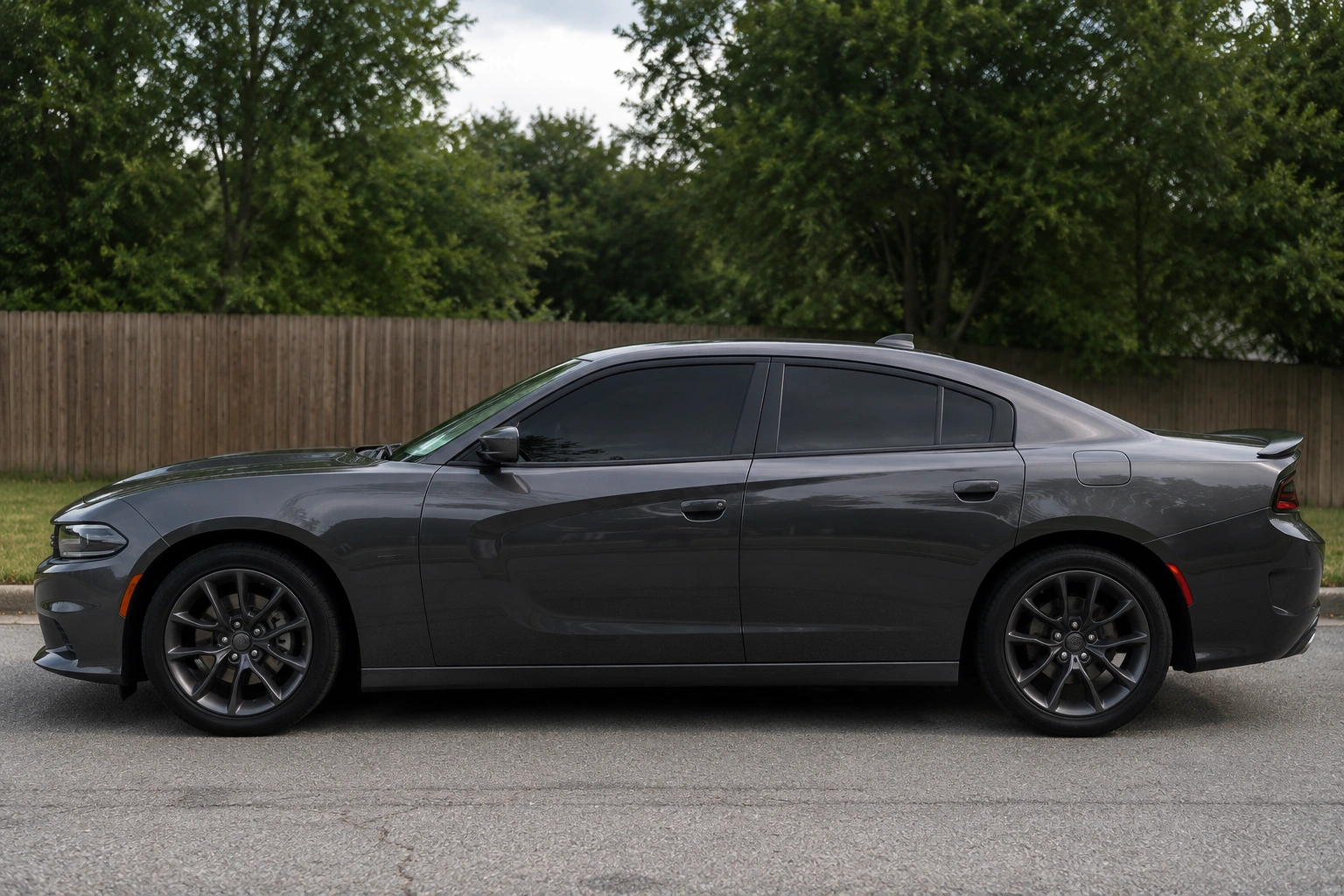
Window tint changes both the appearance and functionality of a vehicle. Beyond creating a darker look, tint film helps reduce sunlight, interior heat, and glare while adding an extra layer of privacy. Among the different tint levels available, 20 percent tint remains one of the most popular choices for drivers who want a darker style without going to extremely low visibility levels.
The percentage in window tint refers to visible light transmission, commonly called VLT. A 20 percent tint allows about 20 percent of outside light to pass through the glass while blocking the remaining 80 percent. This creates a darker appearance from the outside while still allowing moderate visibility from inside the vehicle during daytime conditions.
Many drivers choose this tint level because it balances privacy, appearance, and practicality. However, visibility at night, local tint laws, and installation quality all play a major role in deciding whether 20 percent tint is the right option for a specific vehicle.
Table of Contents
What 20 Percent Window Tint Means
Visible Light Transmission Explained
Window tint percentages are based on visible light transmission, often shortened to VLT. This number indicates how much light passes through the window after the tint film is installed.
A 20 percent tint means only 20 percent of visible light enters through the glass. The remaining 80 percent is blocked by the film. This results in a darker appearance and reduced visibility from outside the vehicle.
The lower the percentage, the darker the tint becomes. For example, 5 percent tint is much darker than 20 percent because it allows less light to pass through.
Understanding VLT helps drivers choose a tint level that matches both style preferences and visibility needs.
How Dark 20 Percent Tint Looks
A 20 percent tint creates a noticeably dark appearance without completely blacking out the windows. During daylight hours, people outside the vehicle may still see some shapes or movement inside, but details become harder to recognize.
From inside the vehicle, visibility remains fairly manageable during the day. At night, however, darker tint can reduce outward visibility, especially in areas with poor lighting.
This level is often chosen because it provides a clean and sporty appearance while still remaining more practical than extremely dark tint options.
The balance between style and usability is one of the reasons it remains popular.
Difference Between 20 Percent And Other Tint Levels
Compared to lighter tint levels such as 35 or 50 percent, 20 percent tint offers significantly more privacy and sunlight reduction. It creates a darker overall look and blocks more glare.
Compared to 5 percent limo tint, 20 percent remains easier to see through from the inside. Drivers often find it more practical for everyday use while still maintaining a dark appearance.
Each tint level changes visibility, heat reduction, and legal compliance differently. Choosing the right percentage depends on personal preference and local regulations.
The difference becomes especially noticeable during nighttime driving.
Benefits Of 20 Percent Window Tint
Improved Privacy And Appearance
One of the main reasons drivers choose 20 percent tint is privacy. The darker film limits visibility into the vehicle, making it harder for others to see passengers or personal belongings inside.
This added privacy can also discourage theft because valuables become less visible. In addition to security benefits, many drivers prefer the sleek and aggressive appearance that darker tint provides.
The visual transformation can significantly change the overall style of a car, truck, or SUV.
A balanced combination of privacy and appearance makes this tint level attractive to many vehicle owners.
Reduced Heat And UV Exposure
Window tint helps reduce the amount of heat entering the cabin by blocking a portion of solar energy. A 20 percent tint can noticeably improve interior comfort during hot weather.
Most quality tint films also block a large percentage of harmful ultraviolet rays. This helps protect passengers from prolonged UV exposure and reduces fading on seats, dashboards, and interior trim.
Lower cabin temperatures may also reduce reliance on air conditioning during warm conditions.
Heat reduction improves comfort during long trips and daily commuting.
Lower Glare During Daytime Driving
Bright sunlight and reflections from other vehicles can create glare that affects visibility. Tint film reduces glare by filtering incoming light.
A 20 percent tint provides strong glare reduction without making daytime visibility excessively dark from inside the vehicle.
Reducing glare helps make driving more comfortable during sunny conditions and may reduce eye strain on longer drives.
Balanced light filtering improves overall visibility during daylight hours.
Drawbacks And Challenges Of 20 Percent Tint
Reduced Night Visibility
One of the biggest disadvantages of darker tint is reduced visibility at night. A 20 percent tint limits the amount of light entering the vehicle, making it harder to see through side and rear windows in dark conditions.
Parking, reversing, and lane changes may become more difficult in poorly lit areas. Drivers often notice this difference more strongly when transitioning from lighter factory tint.
The impact varies depending on street lighting, weather conditions, and eyesight.
Night visibility should always be considered before choosing darker tint levels.
Possible Legal Restrictions
Tint laws vary by state and country, and 20 percent tint may not be legal on all windows in certain areas. Some regions require higher visible light transmission levels, especially for front side windows.
Law enforcement officers may issue citations if tint darkness exceeds legal limits. Vehicle inspections can also be affected in areas with strict regulations.
Checking local laws before installation helps avoid unnecessary fines or removal costs.
Legal compliance remains an important factor when selecting tint.
Interior Visibility From Outside At Night
Although 20 percent tint provides good privacy during the day, interior visibility can change at night. If cabin lights are on, people outside the vehicle may still see inside more easily.
This difference occurs because the darker exterior environment changes how light interacts with the glass.
The tint still offers privacy benefits, but nighttime lighting conditions affect its effectiveness.
Understanding this limitation helps set realistic expectations.
Window Tint Comparison Table
| Tint Percentage | Light Allowed Through | Appearance Level | Day Visibility | Night Visibility |
| 50 Percent | 50% | Light Tint | Excellent | Excellent |
| 35 Percent | 35% | Moderate Tint | Very Good | Good |
| 20 Percent | 20% | Dark Tint | Good | Moderate |
| 5 Percent | 5% | Very Dark Limo Tint | Limited | Difficult |
Best Vehicles And Drivers For 20 Percent Tint
Popular Vehicles Using 20 Percent Tint
Many sports cars, trucks, and SUVs commonly use 20 percent tint because it complements aggressive styling. Dark-colored vehicles especially benefit from the cleaner appearance this tint provides.
Luxury sedans and performance vehicles also frequently use this tint level to create a more premium look while improving cabin comfort.
The tint works well on both factory and aftermarket wheel setups, adding to the overall visual effect.
Its versatility makes it suitable for many vehicle styles.
Drivers Who Prefer This Tint Level
Drivers looking for increased privacy and stronger sunlight reduction often choose 20 percent tint. It appeals to those who spend a lot of time driving during the day or living in warmer climates.
The tint level also attracts drivers who want a darker appearance without moving to extremely low visibility options like 5 percent tint.
People who frequently drive at night may prefer slightly lighter tint depending on comfort and visibility preferences.
Matching tint level to daily driving conditions improves overall satisfaction.
Combining Style And Practical Use
A major reason for the popularity of 20 percent tint is its balance between appearance and usability. It offers a darker look while remaining more manageable than very dark limo-style tint.
This balance allows drivers to enjoy improved privacy and heat reduction without sacrificing too much visibility.
The combination of functionality and visual appeal makes it one of the most widely selected tint levels.
Practical styling remains an important factor for many vehicle owners.
Tips For Choosing And Maintaining Window Tint
Selecting Quality Tint Film
Not all tint films perform the same. High-quality ceramic or carbon films often provide better heat rejection and durability compared to cheaper dyed films.
Premium films also resist fading and bubbling more effectively over time. Choosing quality materials improves long-term appearance and performance.
Professional installation further ensures cleaner edges and fewer imperfections.
Better materials provide more consistent results.
Proper Cleaning And Care
Tinted windows should be cleaned with soft cloths and ammonia-free cleaners. Harsh chemicals can damage the film or cause discoloration.
Allowing newly installed tint to cure fully before cleaning prevents lifting or bubbling.
Regular maintenance helps preserve clarity and appearance.
Gentle care extends the lifespan of the tint.
Knowing Local Tint Laws
Before installing 20 percent tint, checking local laws helps avoid legal problems. Regulations often differ between front, rear, and windshield tint allowances.
Some areas permit darker rear tint while restricting front side windows.
Staying informed about legal requirements prevents fines and inspection issues.
Legal awareness ensures a smoother ownership experience.
A 20 percent window tint offers a strong combination of privacy, heat reduction, and visual appeal without becoming excessively dark for most daytime conditions. It remains one of the most popular tint levels because it balances style with practical usability.
While nighttime visibility and local regulations should always be considered, many drivers find that this tint level provides the right mix of comfort and appearance for daily use. Choosing quality film and professional installation further improves both durability and overall satisfaction.
Frequently Asked Questions?
How Dark Is 20 Percent Window Tint?
It allows 20 percent of visible light through and blocks about 80 percent.
Can You See Through 20 Percent Tint At Night?
Yes, but visibility is reduced compared to lighter tint levels.
Is 20 Percent Tint Legal Everywhere?
No, tint laws vary depending on local regulations.
Does 20 Percent Tint Reduce Heat?
Yes, it helps reduce sunlight and interior heat buildup.
Is 20 Percent Tint Good For Daily Driving?
Many drivers find it a good balance between privacy and visibility.
- Gas Station Tire Pump Guide For Proper Tire Pressure - May 7, 2026
- Legal Tint In NY Rules And Window Tint Limits - May 7, 2026
- 20 Percent Window Tint Benefits And Visibility Guide - May 7, 2026