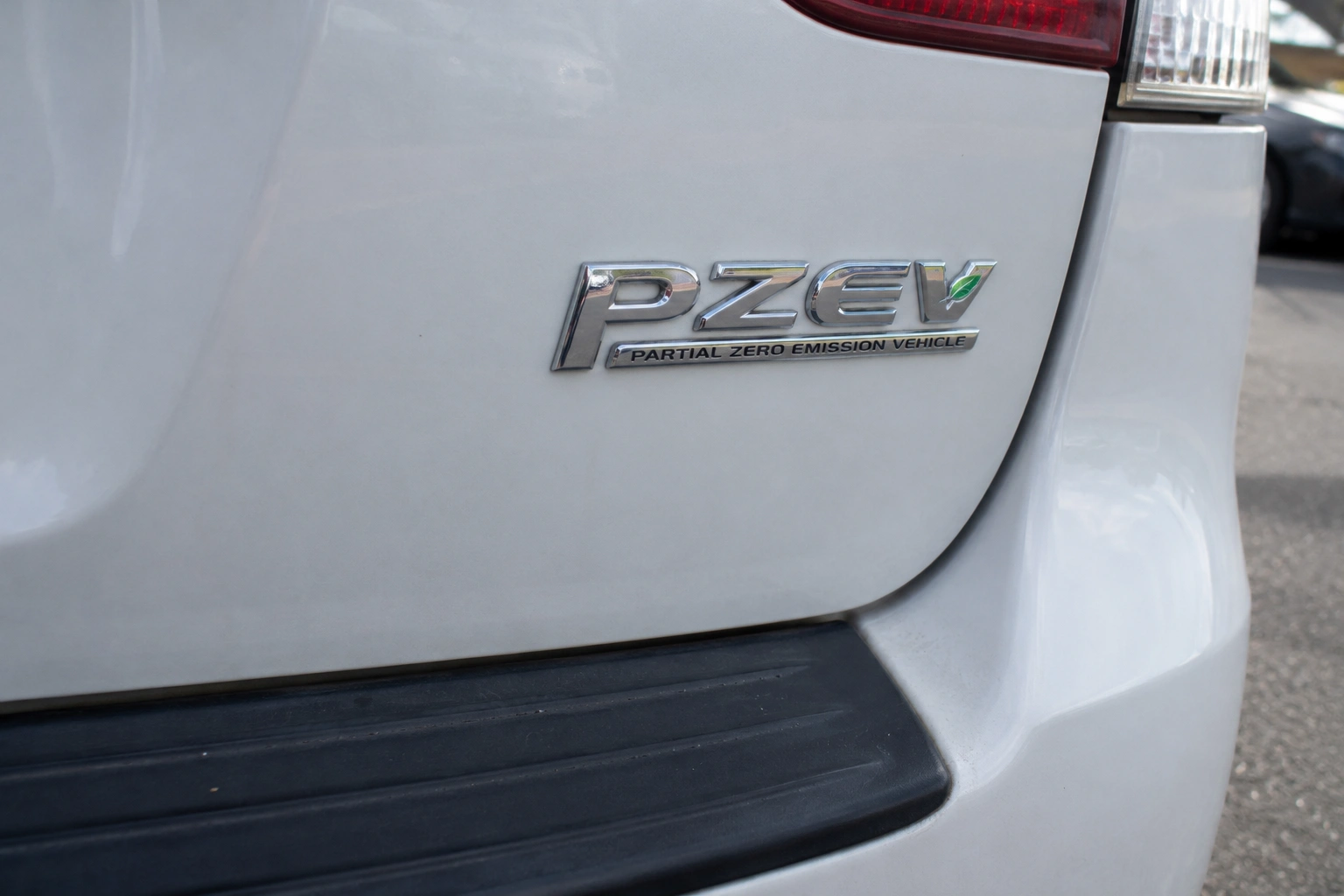
Vehicle technology has changed significantly over the years, especially in the area of emissions and environmental standards. Manufacturers continue to develop cleaner engines that reduce harmful pollutants without sacrificing everyday practicality. Among the terms often seen on vehicle badges and specifications is PZEV, a label that many drivers notice but may not fully recognize.
PZEV stands for Partial Zero Emissions Vehicle. It refers to vehicles designed to produce extremely low emissions while maintaining the convenience of a traditional gasoline-powered system. These vehicles use advanced emission-control technology and sealed fuel systems to reduce pollutants released into the atmosphere.
The term is especially common on models from brands such as Subaru, Ford, and Honda. Although they are not fully electric, PZEV vehicles meet strict environmental standards that go beyond normal emission regulations.
A closer look at what PZEV means, how it differs from other vehicle classifications, and its advantages helps clarify why this technology became important in modern automotive design.
Table of Contents
What PZEV Means In Automotive Industry
Full Meaning Of PZEV
PZEV stands for Partial Zero Emissions Vehicle. The term was created to classify vehicles that meet strict emission standards while still using a gasoline engine. These vehicles are engineered to release significantly fewer pollutants compared to conventional vehicles.
The “partial” part of the name exists because the vehicle still produces some emissions during engine operation. However, evaporative emissions from the fuel system are nearly eliminated through special sealing and control systems.
PZEV standards focus heavily on reducing harmful pollutants such as hydrocarbons and nitrogen oxides. These substances contribute to air pollution and environmental concerns.
The classification represents a major step toward cleaner transportation without requiring a fully electric powertrain.
How PZEV Classification Started
PZEV standards were introduced primarily in states following strict environmental regulations, especially in areas influenced by emissions rules from California Air Resources Board. The goal was to encourage manufacturers to produce cleaner gasoline vehicles.
Automakers responded by improving catalytic converters, fuel systems, and engine management technology. These improvements allowed vehicles to meet the required standards while maintaining normal performance and usability.
Over time, PZEV technology became more common across different vehicle categories, including sedans, SUVs, and crossovers.
The classification helped bridge the gap between conventional gasoline vehicles and fully electric models.
Difference Between PZEV And Standard Vehicles
A standard gasoline vehicle releases more emissions during operation and fuel evaporation compared to a PZEV model. PZEV vehicles use advanced systems to reduce these emissions dramatically.
One major difference is the sealed fuel system designed to prevent gasoline vapors from escaping into the atmosphere. Improved catalytic converters also help clean exhaust gases more effectively.
Despite these differences, PZEV vehicles operate much like regular gasoline cars. Drivers do not need special charging systems or major lifestyle adjustments.
This balance makes PZEV vehicles practical for everyday use.
How PZEV Technology Works
Advanced Emission Control Systems
PZEV vehicles use highly efficient catalytic converters to reduce harmful emissions from the exhaust. These converters process gases before they leave the tailpipe, reducing pollutants significantly.
Manufacturers also use advanced engine management systems to optimize combustion and improve efficiency. Sensors constantly monitor engine operation and adjust fuel delivery as needed.
These systems work together to maintain cleaner exhaust output under different driving conditions.
Proper maintenance ensures that emission-control systems continue functioning effectively.
Sealed Fuel System Design
A key feature of PZEV technology is the sealed fuel system. Traditional vehicles can release gasoline vapors into the atmosphere, especially during refueling or temperature changes.
PZEV systems are designed to minimize these evaporative emissions. Special fuel tanks, hoses, and vapor recovery systems keep gasoline vapors contained.
This design plays a major role in meeting strict environmental requirements.
Reducing evaporative emissions helps improve overall air quality.
Extended Emissions Warranty
Many PZEV vehicles come with extended emissions warranties because the emission-control components are expected to maintain performance for longer periods.
These warranties often cover major components such as catalytic converters and emission-related sensors. Coverage periods can exceed standard warranty lengths in certain regions.
The extended protection reflects the durability requirements associated with PZEV certification.
This benefit provides added confidence for vehicle owners.
PZEV Vs Other Emission Vehicle Types
Difference Between PZEV And Hybrid Vehicles
PZEV vehicles still rely entirely on a gasoline engine, while hybrid vehicles combine gasoline power with electric motors. Hybrids reduce fuel consumption by using electricity during certain driving conditions.
Although both aim to reduce environmental impact, hybrids focus more on fuel efficiency, while PZEV classification focuses on emission reduction.
A PZEV vehicle does not require a battery charging system beyond standard vehicle electronics.
This distinction helps clarify the purpose of each technology.
Difference Between PZEV And Electric Vehicles
Electric vehicles operate entirely on battery power and produce no tailpipe emissions. PZEV vehicles still use internal combustion engines and produce limited emissions.
However, PZEV models offer a familiar driving experience without charging requirements. They provide a practical option for drivers not ready to transition to full electric power.
Both technologies contribute to reducing environmental impact in different ways.
Choosing between them depends on driving habits and infrastructure availability.
Difference Between PZEV And SULEV
SULEV stands for Super Ultra Low Emissions Vehicle. Many PZEV vehicles also meet SULEV tailpipe standards but add near-zero evaporative emissions requirements.
This means PZEV classification combines extremely low exhaust emissions with sealed fuel system technology.
The additional evaporative emission control is what separates PZEV from SULEV alone.
These categories reflect different levels of environmental performance.
PZEV Features And Benefits Table
| Feature | PZEV Vehicle Benefit |
| Advanced Catalytic Converter | Reduced Tailpipe Emissions |
| Sealed Fuel System | Lower Evaporative Emissions |
| Extended Emission Warranty | Added Long-Term Protection |
| Standard Gasoline Operation | No Charging Required |
| Cleaner Exhaust Output | Improved Environmental Impact |
Advantages And Limitations Of PZEV Vehicles
Benefits For Everyday Drivers
PZEV vehicles offer several practical advantages. Drivers receive cleaner emissions technology without changing fueling habits or relying on charging stations.
These vehicles often maintain fuel economy similar to standard gasoline models while reducing environmental impact. Maintenance procedures also remain familiar to most owners.
The technology allows drivers to support cleaner transportation without major adjustments.
This balance makes PZEV vehicles appealing for daily use.
Environmental Impact And Air Quality
Reducing harmful emissions contributes to improved air quality, especially in densely populated areas. Lower hydrocarbon and nitrogen oxide emissions help decrease pollution levels.
The sealed fuel system also reduces gasoline vapor release, which plays a role in smog formation.
Although PZEV vehicles are not emission-free, they represent a significant improvement over older gasoline-powered models.
Cleaner technology supports broader environmental goals.
Limitations Compared To Fully Electric Cars
While PZEV vehicles reduce emissions, they still rely on gasoline and produce exhaust gases. Fully electric vehicles eliminate tailpipe emissions entirely.
Fuel costs and dependence on fossil fuels remain factors with PZEV technology. In addition, some emission-control components may be expensive to replace outside warranty coverage.
Despite these limitations, PZEV models remain practical for drivers seeking cleaner gasoline vehicles.
They provide an intermediate step toward lower-emission transportation.
Common Vehicles That Use PZEV Technology
Popular Models With PZEV Rating
Several manufacturers have offered PZEV-certified vehicles over the years. Models from Subaru, Honda, and Ford are commonly associated with this classification.
Sedans, compact SUVs, and family vehicles have all been produced with PZEV systems. These models often include special badges indicating the certification.
The availability of PZEV vehicles varies by market and regional regulations.
Checking the emissions label helps identify certified models.
Why Manufacturers Adopted PZEV Standards
Manufacturers adopted PZEV technology to meet stricter environmental regulations and reduce overall emissions output. States with tougher air quality standards encouraged automakers to invest in cleaner technology.
The classification also helped manufacturers demonstrate commitment to environmental responsibility while continuing to offer gasoline-powered vehicles.
This approach allowed gradual progress toward cleaner transportation solutions.
Regulatory standards played a major role in widespread adoption.
Future Of Low Emission Gasoline Vehicles
As electric vehicle technology grows, low-emission gasoline vehicles continue to serve an important role for many drivers. PZEV systems remain relevant in areas where charging infrastructure is limited.
Future improvements in combustion efficiency and emissions technology may further reduce environmental impact.
Although the industry is shifting toward electrification, cleaner gasoline vehicles still provide practical alternatives.
The transition toward lower emissions continues to evolve across the automotive market.
PZEV technology represents an important step in reducing vehicle emissions while preserving the convenience of traditional gasoline-powered transportation.
Through advanced catalytic converters, sealed fuel systems, and strict environmental standards, these vehicles achieve significantly cleaner operation than conventional models.
While they do not eliminate emissions entirely like electric vehicles, they offer a practical balance between environmental responsibility and everyday usability. For many drivers, PZEV vehicles provide an accessible way to support cleaner air without major lifestyle changes.
Frequently Asked Questions?
What Does PZEV Mean?
It stands for Partial Zero Emissions Vehicle.
Is PZEV Same As Hybrid?
No, PZEV vehicles use only gasoline engines, while hybrids combine gasoline and electric power.
Do PZEV Cars Need Charging?
No, they operate like regular gasoline vehicles.
Are PZEV Vehicles Better For Environment?
Yes, they produce lower emissions compared to standard gasoline vehicles.
Does PZEV Affect Performance?
No, most PZEV vehicles perform similarly to regular models.

- Loud Motorcycle Horn Guide For Better Road Safety - May 6, 2026
- PZEV Meaning And How It Works In Modern Cars - May 6, 2026
- Starter Solenoid Wiring Guide And Common Problems - May 6, 2026