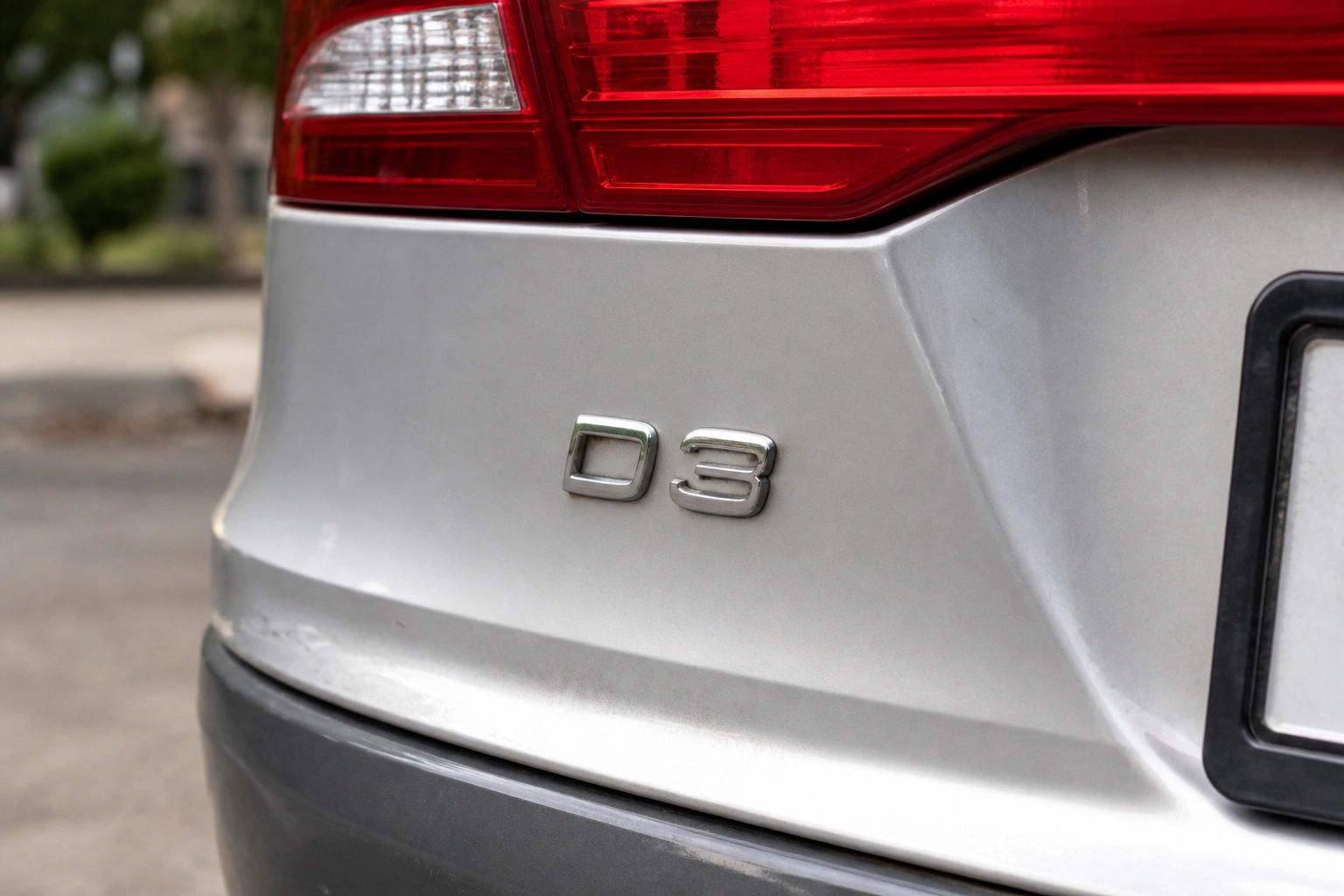
Automatic transmissions are designed to make driving simple, but the gear selector still includes options that many drivers rarely use. Alongside familiar modes like Park, Reverse, Neutral, and Drive, some vehicles include additional positions such as D3. At first glance, it may seem unnecessary, especially for those who rely entirely on Drive mode. However, D3 serves a specific purpose that can improve control and vehicle behavior in certain conditions.
This mode limits how the transmission shifts, keeping the vehicle within a lower gear range. Instead of cycling through all available gears, it focuses on the first three gears. This change affects how the engine responds, how speed is maintained, and how the vehicle handles slopes or traffic.
Using D3 correctly can enhance control, reduce strain on braking systems, and improve overall stability. A clear idea of how it works and when to use it helps make better use of this often overlooked feature.
Table of Contents
What D3 Means In Automatic Transmission
Definition Of D3 Gear Mode
D3 stands for “Drive 3,” which means the transmission is limited to the first three gears. In a typical automatic vehicle, Drive mode allows the transmission to shift through all available gears based on speed and load. When D3 is selected, the system restricts itself and does not shift into higher gears.
This limitation keeps the engine operating within a lower gear range, which increases engine response and control. The vehicle will still shift automatically, but only between the first, second, and third gears. This makes D3 different from manual shifting, as the transmission still handles gear changes internally.
The purpose of D3 is not to increase speed but to provide better control in specific situations. It ensures that the engine remains engaged, allowing more predictable power delivery.
This mode is particularly useful in conditions where maintaining consistent power or controlling speed is more important than fuel efficiency.
How D3 Works Internally
Inside the transmission, D3 mode changes how the control system selects gears. The transmission control unit prevents the shift into higher gears, even when the vehicle reaches speeds where it would normally shift up.
This results in higher engine revolutions compared to Drive mode. While this may seem like extra strain, it is actually designed for short-term use in conditions where more control is needed.
The lower gear range allows the engine to produce more torque, which helps in situations like climbing hills or navigating traffic. It also provides engine braking, which helps slow the vehicle without relying entirely on the brakes.
By limiting gear shifts, D3 ensures that the vehicle maintains a consistent level of power and control.
Difference Between D3 And Drive Mode
Drive mode is designed for normal conditions, allowing the transmission to shift through all gears for efficiency and smooth operation. It focuses on fuel economy and minimal engine strain.
D3, on the other hand, prioritizes control over efficiency. By staying in lower gears, it keeps the engine more active and responsive. This results in higher fuel consumption but improved control in certain situations.
In Drive mode, the vehicle adapts automatically to speed and load. In D3, the driver limits the transmission range, influencing how the vehicle behaves.
Choosing between these modes depends on driving conditions and the level of control required.
When To Use D3 In A Car
Driving On Steep Hills And Inclines
D3 is particularly useful when driving on steep hills. Climbing requires more torque, and limiting the transmission to lower gears ensures that the engine delivers consistent power. In Drive mode, the transmission may shift into higher gears too early, reducing power and making the climb more difficult.
Using D3 prevents unnecessary gear changes and keeps the engine within an effective range. This helps maintain speed and reduces strain on the transmission.
The steady power output makes uphill driving smoother and more controlled. It is especially helpful when carrying passengers or additional weight.
This approach ensures that the vehicle handles inclines efficiently without losing momentum.
Descending Slopes With Engine Braking
D3 is equally valuable when driving downhill. It provides engine braking, which helps control speed without constant use of the brake pedal. This reduces wear on brake components and prevents overheating.
When descending in Drive mode, the vehicle may gain speed quickly, requiring frequent braking. D3 keeps the engine engaged, slowing the vehicle naturally.
This improves stability and reduces the risk of losing control on steep slopes. It also enhances safety by maintaining a steady speed.
Using D3 in such situations ensures smoother and more controlled downhill driving.
Stop And Go Traffic Conditions
In heavy traffic, D3 can help maintain smoother operation. It prevents the transmission from constantly shifting between higher gears, which can cause unnecessary wear and inconsistent performance.
Keeping the vehicle in lower gears allows better control at low speeds. This is useful in stop-and-go conditions where frequent acceleration and braking are required.
D3 ensures that the engine remains responsive, making it easier to adjust speed quickly. It also reduces gear hunting, which can occur in Drive mode.
This makes traffic driving more manageable and less stressful.
Benefits Of Using D3 Mode Properly
Improved Control And Stability
D3 provides better control by keeping the vehicle within a limited gear range. This allows the driver to maintain a steady speed and avoid sudden changes in power delivery.
The consistent engine response improves stability, especially on uneven roads or slopes. It makes the vehicle more predictable and easier to handle.
This level of control is particularly useful in challenging conditions where precision is important.
Using D3 correctly enhances overall driving confidence and safety.
Reduced Brake Wear And Overheating
One of the key advantages of D3 is engine braking. By using the engine to slow the vehicle, it reduces reliance on the braking system. This helps prevent overheating and extends the life of brake components.
Continuous braking, especially on downhill roads, can lead to reduced effectiveness. D3 provides an alternative way to control speed.
This not only improves safety but also lowers maintenance costs over time.
Combining engine braking with proper driving habits ensures efficient operation.
Better Performance In Specific Conditions
D3 improves performance in situations where Drive mode may not be ideal. It provides the extra power needed for climbing hills and navigating traffic.
The increased torque helps the vehicle respond more effectively to changing conditions. It also improves traction in certain situations.
This makes D3 a useful tool for drivers who encounter varied driving environments.
Using it at the right time enhances vehicle performance.
D3 Vs Other Gear Modes Comparison
| Gear Mode | Gear Range Used | Best Use Case | Fuel Efficiency |
| Drive (D) | All Gears | Normal Driving | High |
| D3 | 1st To 3rd | Hills, Traffic, Slopes | Moderate |
| D2 / L | Lower Gears | Steep Terrain, Heavy Load | Low |
Common Mistakes While Using D3
Using D3 At High Speeds
One common mistake is using D3 at high speeds for extended periods. This causes the engine to run at higher revolutions, which can increase fuel consumption and engine strain.
D3 is designed for moderate speeds and specific conditions. Using it unnecessarily reduces efficiency and may affect long-term performance.
Switching back to Drive mode when normal conditions return ensures optimal operation.
Proper usage helps maintain engine health.
Ignoring Fuel Consumption Impact
Since D3 keeps the engine in lower gears, it naturally increases fuel consumption. Using it unnecessarily can lead to higher operating costs.
Drivers should use D3 only when needed and return to Drive mode for regular driving.
Balancing performance and efficiency ensures better overall results.
Awareness of fuel impact helps in making better decisions.
Not Switching Back To Drive Mode
Forgetting to switch back to Drive mode after using D3 is another common issue. This keeps the engine working harder than necessary during normal driving.
Returning to Drive mode allows the transmission to function efficiently and reduces strain.
Simple awareness of gear selection improves vehicle performance and longevity.
Practical Takeaway
D3 is a practical feature that enhances control and stability in specific situations. It limits the transmission to lower gears, allowing better handling on hills, slopes, and in traffic.
Using it correctly improves safety, reduces brake wear, and provides a more controlled driving experience. However, it is not meant for regular use at high speeds.
A balanced approach to gear selection ensures that the vehicle performs efficiently while maintaining reliability.
Frequently Asked Questions?
What Does D3 Mean In A Car?
It stands for Drive 3, meaning the transmission is limited to the first three gears.
When Should You Use D3?
It is useful for hills, downhill driving, and stop-and-go traffic
Can You Drive Fast In D3?
It is not recommended for high speeds, as it keeps the engine at higher revolutions.
Does D3 Save Fuel?
No, it usually increases fuel consumption compared to Drive mode.
Is D3 The Same As Low Gear?
Not exactly, but it serves a similar purpose by limiting the gear range for better control.
- Broken Belt In Tire Symptoms Causes And Safe Fix - May 4, 2026
- Car Starts Sometimes And Sometimes It Doesn’t Causes And Fix - May 4, 2026
- Synthetic Oil Change Cost At Jiffy Lube In 2026 - May 4, 2026