Heat is an unavoidable part of how a car operates. Every time an engine runs, it generates a significant amount of thermal energy as fuel burns and components move at high speed. Even after the engine is turned off, that heat does not disappear instantly.
It lingers within the engine bay, radiator, coolant system, and surrounding parts, gradually dissipating over time. Many drivers notice this when they hear ticking sounds from the engine after parking or feel warmth coming from under the hood.
The time it takes for a car to cool down depends on several factors, including driving conditions, weather, and the design of the vehicle itself. While some parts cool quickly, others retain heat for much longer.
Knowing how this process works helps prevent mistakes like opening the hood too soon or checking coolant levels at the wrong time. A clear picture of cooling time makes routine maintenance safer and avoids unnecessary risks.
Table of Contents
How Engine Heat Builds Up During Operation
What Happens Inside The Engine While Running
An engine works by burning fuel to create controlled explosions that move pistons and generate power. This process produces a large amount of heat as a natural byproduct. Temperatures inside the combustion chamber can reach extremely high levels, far beyond what most materials can handle without proper cooling systems in place.
To manage this heat, vehicles use a combination of coolant, airflow, and metal components designed to transfer heat away from critical areas. The coolant circulates through the engine, absorbing heat and carrying it to the radiator, where it is released into the air. At the same time, the engine block and surrounding parts also radiate heat outward.
During normal driving, this system maintains a stable temperature range. However, the longer the engine runs, especially under heavy load or high speeds, the more heat accumulates. This stored heat does not disappear immediately when the engine is turned off. Instead, it continues to spread through the engine bay, raising the temperature of nearby components even after driving stops.
This lingering heat is why a car feels hottest shortly after being parked. The cooling system is no longer actively circulating coolant, so heat remains trapped until it slowly dissipates.
Why Heat Does Not Disappear Immediately After Shutdown
Once the engine is turned off, active cooling processes come to a halt. The water pump stops circulating coolant, and airflow from driving is no longer present. This causes heat to remain concentrated within the engine and its components.
Metal parts such as the engine block, exhaust manifold, and radiator retain heat for a longer period because of their density. These components release heat gradually, which is why the cooling process takes time. The surrounding air also plays a role, as it absorbs heat from the engine and carries it away slowly.
In some cases, the temperature inside the engine bay may even rise slightly after shutdown. This happens because heat continues to move from hotter internal parts to cooler external surfaces. Without active cooling, this redistribution can make certain areas feel hotter than they did while the engine was running.
The cooling process is therefore a gradual transition rather than an instant change. Understanding this helps explain why patience is necessary before handling engine components or performing checks.
Average Time It Takes For A Car To Cool Down
General Cooling Time Under Normal Conditions
Under typical conditions, a car engine takes about 30 minutes to 1 hour to cool down to a safe temperature for basic inspection. This timeframe allows the most intense heat to dissipate, reducing the risk of burns or damage when opening the hood.
However, reaching a completely cool state can take several hours. Some components, especially those made of thick metal, retain heat longer than others. The cooling process continues even after the surface feels warm rather than hot.
The initial cooling phase happens relatively quickly, with noticeable temperature drops within the first 20 to 30 minutes. After that, the rate slows down as the remaining heat dissipates more gradually. This is why a car may still feel warm long after it has been parked.
For routine checks, waiting at least 45 minutes is often sufficient. For more sensitive tasks, such as checking coolant levels or working near the radiator, a longer waiting period is recommended to ensure safety.
Differences Based On Driving Conditions
Cooling time can vary significantly depending on how the car was used before being parked. A short drive at moderate speed generates less heat compared to long highway driving or heavy traffic conditions. In such cases, the engine may cool down more quickly.
Driving in stop-and-go traffic can increase heat buildup because the engine works harder without consistent airflow. Similarly, climbing steep inclines or carrying heavy loads places additional strain on the engine, leading to higher temperatures that take longer to dissipate.
Weather conditions also play a role. On a hot day, the surrounding air is already warm, which slows down the cooling process. In contrast, cooler temperatures help the engine release heat more quickly, reducing overall cooling time.
The type of vehicle also matters. Larger engines and performance-oriented vehicles often generate more heat, requiring additional time to cool down. Smaller engines or vehicles designed for efficiency may cool more quickly under similar conditions.
Factors That Affect How Fast A Car Cools Down
External Environment And Weather Impact
The surrounding environment has a direct influence on how quickly a car cools down. Air temperature is one of the most important factors. Cooler air absorbs heat more efficiently, allowing the engine and its components to release heat faster. This is why cars cool down more quickly during cooler evenings compared to hot afternoons.
Wind and airflow also contribute to the process. A parked car in an open area with good airflow will cool faster than one in a confined space. Garages, especially those without ventilation, can trap heat and slow down the cooling process.
Sun exposure is another factor. A car parked under direct sunlight may retain heat longer, as the external temperature remains high. In contrast, parking in the shade helps reduce overall heat retention and speeds up cooling.
Humidity can also play a role, though its effect is less noticeable. High humidity may slightly slow down heat dissipation, while dry conditions allow for more efficient cooling.
Understanding these environmental influences helps in choosing better parking conditions, especially after long drives or during hot weather.
Vehicle Design And Cooling System Efficiency
The design of a vehicle significantly affects how it handles heat. Modern cars are equipped with advanced cooling systems that include radiators, fans, and coolant circulation designed to manage temperature efficiently. These systems continue to influence cooling even after the engine is turned off.
Electric cooling fans, for example, may continue running for a short time after shutdown. This helps reduce heat buildup and speeds up the initial cooling phase. Vehicles with well-designed airflow paths also allow heat to escape more easily from the engine bay.
Material choice plays a role as well. Lightweight materials such as aluminum dissipate heat faster than heavier metals. This can reduce overall cooling time, especially in newer vehicles designed with efficiency in mind.
The condition of the cooling system is equally important. A well-maintained system ensures that heat is managed effectively during operation, which in turn affects how quickly the engine cools afterward. Issues such as low coolant levels or blocked radiators can lead to higher temperatures and longer cooling times.
A properly functioning cooling system not only protects the engine but also helps maintain consistent and predictable cooling behavior.
Safe Practices While Waiting For A Car To Cool Down
When It Is Safe To Open The Hood
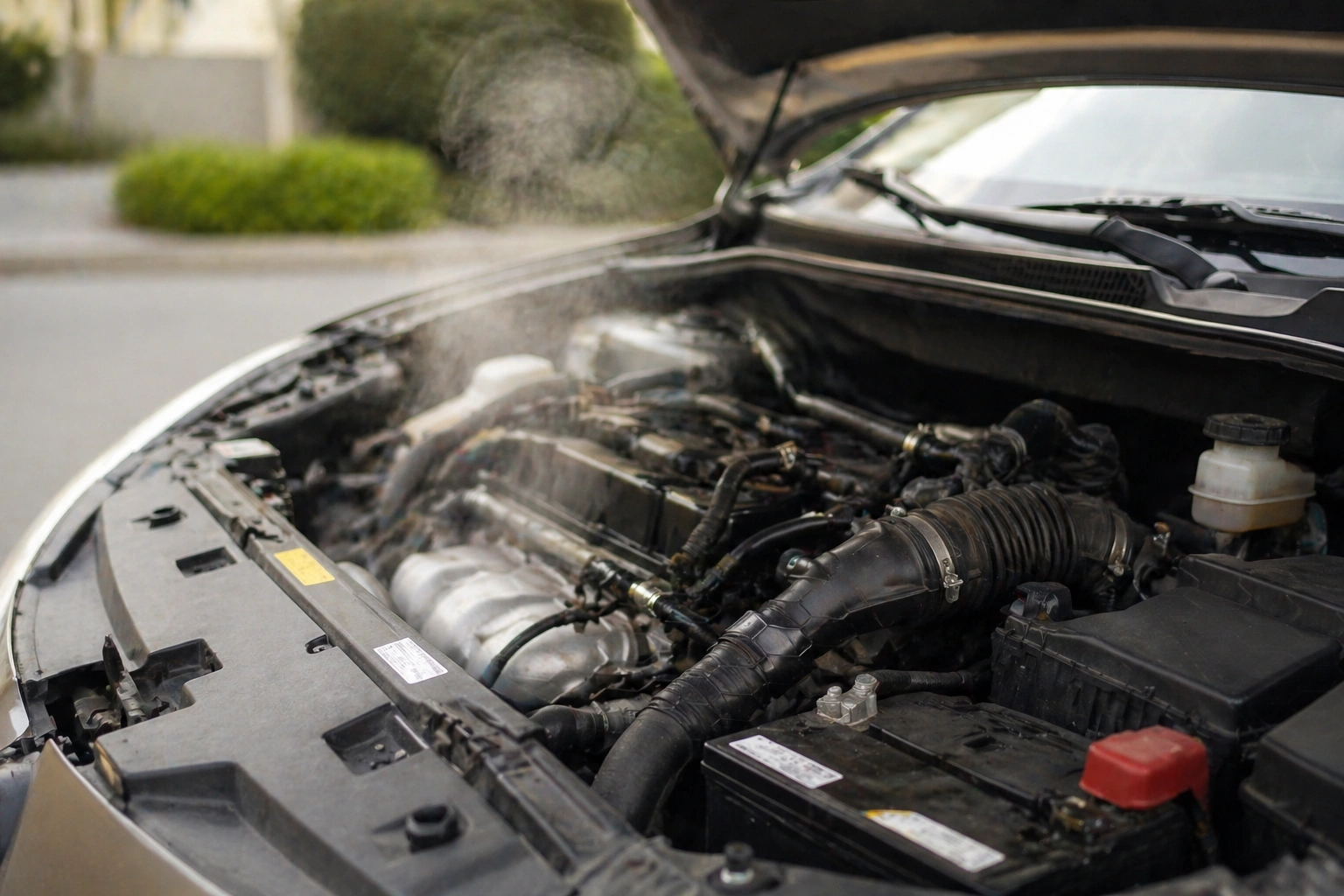
Opening the hood too soon after turning off the engine can expose you to high temperatures and potential burns. Waiting at least 30 to 45 minutes allows the most intense heat to dissipate, making it safer to inspect the engine area.
When opening the hood, it is best to do so slowly. This allows trapped heat to escape gradually rather than rushing out all at once. Standing slightly to the side while opening the hood can also help avoid direct exposure to hot air.
Checking components such as oil levels or battery connections can usually be done once the engine has cooled to a warm state. However, tasks involving the cooling system require extra caution, as these parts can remain hot for longer periods.
Patience during this stage reduces the risk of injury and ensures that maintenance tasks can be carried out safely.
Avoiding Common Mistakes During Cooling
One of the most common mistakes is opening the radiator cap too soon. The cooling system remains under pressure even after the engine is turned off, and removing the cap prematurely can release hot coolant and steam. This can cause serious burns and should always be avoided until the engine is fully cool.
Touching engine components without checking their temperature is another risk. Parts such as the exhaust manifold and radiator can remain extremely hot long after the engine is off. Using caution and allowing enough time for cooling prevents accidental contact with hot surfaces.
Pouring cold water on a hot engine is also not recommended. Sudden temperature changes can cause metal components to contract rapidly, potentially leading to cracks or damage. Allowing the engine to cool naturally is always the safer approach.
Following these precautions ensures that the cooling process is handled safely and without unnecessary risks.
Bottom Line
The time it takes for a car to cool down is influenced by a combination of factors, including driving conditions, weather, and vehicle design. While the initial drop in temperature happens within the first hour, complete cooling can take several hours depending on the situation.
Recognizing how heat builds up and dissipates helps in making safer decisions when handling a vehicle after driving. Simple actions, such as waiting before opening the hood or avoiding direct contact with hot components, can prevent injuries and protect the vehicle.
A well-maintained cooling system ensures that heat is managed effectively, both during operation and after shutdown. Paying attention to these details helps keep the vehicle in good condition and supports long-term reliability.

- How Long Does It Take For A Car To Cool Down Fully - May 1, 2026
- What Does DRL Mean On A Car And Why It Matters - May 1, 2026
- 5 Pin Relay Wiring Diagram Guide For Automotive Use - May 1, 2026