
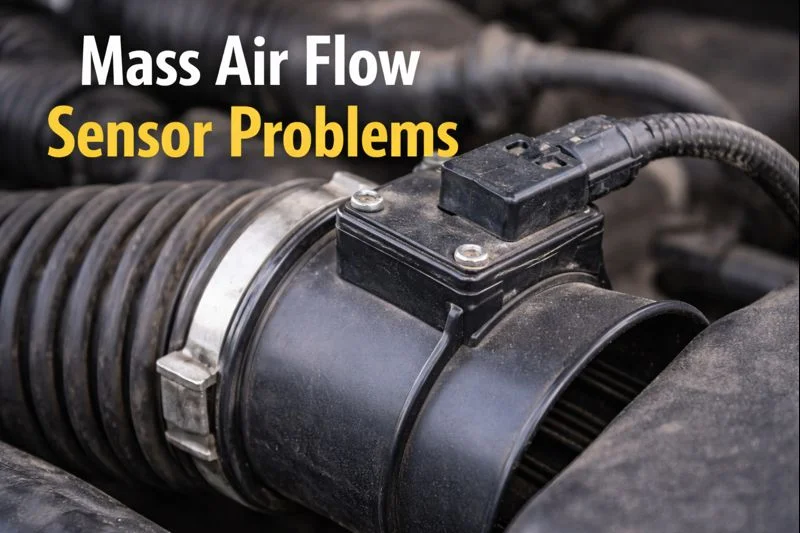
Modern engines rely on precise measurements to run smoothly, efficiently, and cleanly. One of the most important measurements comes from the mass air flow sensor, a small but critical component that tells the engine how much air is entering the intake.
When this information becomes inaccurate, everything from fuel delivery to ignition timing is affected.
Because of this, drivers sometimes search for shortcuts or temporary workarounds when symptoms appear. Poor acceleration, rough idle, hesitation, or warning lights can feel urgent, especially when repairs seem expensive or confusing. The idea of “tricking” a sensor often comes from frustration rather than intent to damage the vehicle.
Understanding how the mass air flow sensor actually works removes that frustration. Once you know how the engine uses airflow data, it becomes clear why manipulating signals rarely solves the problem and often creates new ones.
This article breaks down the sensor’s role, explains why bypass attempts fail, and walks through the correct ways professionals restore proper engine operation without risking long-term damage.
Table of Contents
What A Mass Air Flow Sensor Really Does
The mass air flow sensor measures the amount of air entering the engine and sends that data to the engine control module. The computer then calculates how much fuel to inject for proper combustion.
This balance is extremely precise. Too much fuel causes rich running, poor fuel economy, and emissions damage. Too little fuel causes lean conditions, hesitation, overheating, and misfires.
Because airflow constantly changes with throttle position, temperature, and engine speed, the sensor must provide accurate real-time data for the engine to function correctly.
Why Airflow Data Matters More Than People Realize
Airflow information affects far more than fuel delivery. Ignition timing, transmission behavior, idle speed, emissions control, and even cooling strategies rely on airflow calculations.
When airflow data becomes unreliable, the engine does not simply “guess.” It either enters a backup strategy or operates with incorrect assumptions.
This is why problems related to the mass air flow sensor often feel widespread rather than isolated to one symptom.
Where The Idea Of “Tricking” Comes From
The idea of manipulating the sensor usually appears when a vehicle runs better temporarily after unplugging it or when symptoms change unexpectedly.
In some cases, disconnecting the sensor forces the engine into a default operating mode. This mode uses preset values instead of live airflow data.
While this may feel like an improvement, it is not a fix. It simply masks the underlying issue and limits performance safeguards.
What Happens When The Sensor Signal Is Altered
Any attempt to alter airflow readings causes the engine computer to receive incorrect information. The computer has no way of knowing the data is false.
As a result, fuel delivery becomes inaccurate. This leads to unstable combustion, higher emissions, and increased engine stress.
Over time, components such as spark plugs, oxygen sensors, and the catalytic converter suffer damage from improper fuel mixtures.
Why Bypassing Or Manipulating The Sensor Fails Long Term
Engines are designed to adapt within certain limits. When sensor data falls outside expected parameters, the computer detects inconsistencies.
Eventually, warning lights appear, fault codes are stored, and the engine may enter reduced-power modes.
What may seem like a workaround in the short term almost always results in more expensive repairs later.
Common Symptoms That Trigger These Searches
Drivers experiencing airflow sensor issues often notice rough idle, hesitation during acceleration, stalling, or poor fuel economy.
In some cases, the vehicle may surge or struggle under load. These symptoms naturally lead people to look for quick fixes.
Understanding the root cause helps avoid chasing ineffective solutions.
Dirty Sensors Versus Failed Sensors
One of the most overlooked facts is that many mass air flow sensors are not broken — they are simply dirty.
Dust, oil vapor, and debris can coat the sensing element, reducing accuracy. This contamination alters readings even though the sensor electronics still function.
Cleaning the sensor properly often restores normal operation without replacement.
Proper Cleaning As A Legitimate Solution
Using a cleaner specifically designed for airflow sensors removes contamination without damaging delicate components.
This process restores accurate readings and often eliminates symptoms completely.
Cleaning should be done carefully and only with approved products to avoid damaging the sensor.
Wiring And Connection Issues
Electrical problems often mimic sensor failure. Loose connectors, corrosion, or damaged wiring can interrupt signal transmission.
In these cases, the sensor may be working perfectly, but the data never reaches the engine computer correctly.
Inspecting connections is a critical step before assuming sensor failure.
Vacuum Leaks That Confuse Airflow Readings
Unmetered air entering the engine after the sensor causes incorrect airflow calculations.
Cracked hoses, loose fittings, or damaged intake components allow extra air in without being measured.
This creates the same symptoms as a faulty sensor, even though the sensor itself is accurate.
How Engine Computers Respond To Bad Data
When data appears inconsistent, the engine computer attempts to compensate using stored values.
If compensation exceeds safe limits, warning lights activate and performance is reduced.
These safeguards exist to prevent engine and emissions damage.
Professional Diagnosis Versus Guesswork
Professional diagnostics analyze live sensor data rather than relying on assumptions.
Comparing airflow readings to engine speed and load reveals whether the sensor, wiring, or air intake is responsible.
This approach prevents unnecessary part replacement.
Cost Comparison Between Proper Fixes And Shortcuts
Cleaning or repairing airflow issues is typically inexpensive compared to damage caused by improper fueling.
Replacing oxygen sensors, catalytic converters, or engine components costs far more than fixing airflow measurement problems early.
Shortcuts almost always cost more over time.
Engine Longevity And Emissions Compliance
Accurate airflow measurement protects engine internals by maintaining proper combustion temperatures.
It also ensures emissions systems function as designed, preventing inspection failures and legal issues.
Maintaining sensor accuracy supports both performance and compliance.
When Replacement Is The Correct Answer
If a sensor fails electrically or physically, replacement is the only reliable solution.
Modern sensors are calibrated precisely and cannot be repaired internally.
Using quality replacement parts ensures compatibility and longevity.
Preventive Maintenance That Avoids Repeat Issues
Regular air filter replacement reduces contamination buildup.
Avoiding over-oiled aftermarket filters prevents residue from coating the sensor.
Routine inspections keep airflow systems healthy.
Clearing Codes Without Fixing Causes
Clearing fault codes without addressing the problem only delays symptoms.
The engine computer will detect the issue again once conditions repeat.
Proper repairs eliminate recurring warnings.
Building Understanding Instead Of Workarounds
Knowledge replaces frustration. Once airflow measurement is understood, correct solutions become obvious.
Engines reward precision, not manipulation.
Fixing the cause always outperforms bypass attempts.
Final Thoughts
The mass air flow sensor plays a central role in modern engine operation. While the idea of tricking or bypassing it may seem appealing during troubleshooting, those methods work against how engines are designed to protect themselves.
Accurate airflow data keeps fuel delivery balanced, emissions controlled, and engine components safe. Cleaning, inspection, and proper diagnosis solve airflow problems effectively without risking long-term damage or legal issues.
Addressing the real cause restores performance, reliability, and confidence — and that is always the better solution.

- How Families in UAE Manage Changing Vehicle Needs - March 4, 2026
- How Many Axles On A Car And What They Do - March 2, 2026
- Metal Shavings In Oil Causes And What It Means - March 2, 2026
