
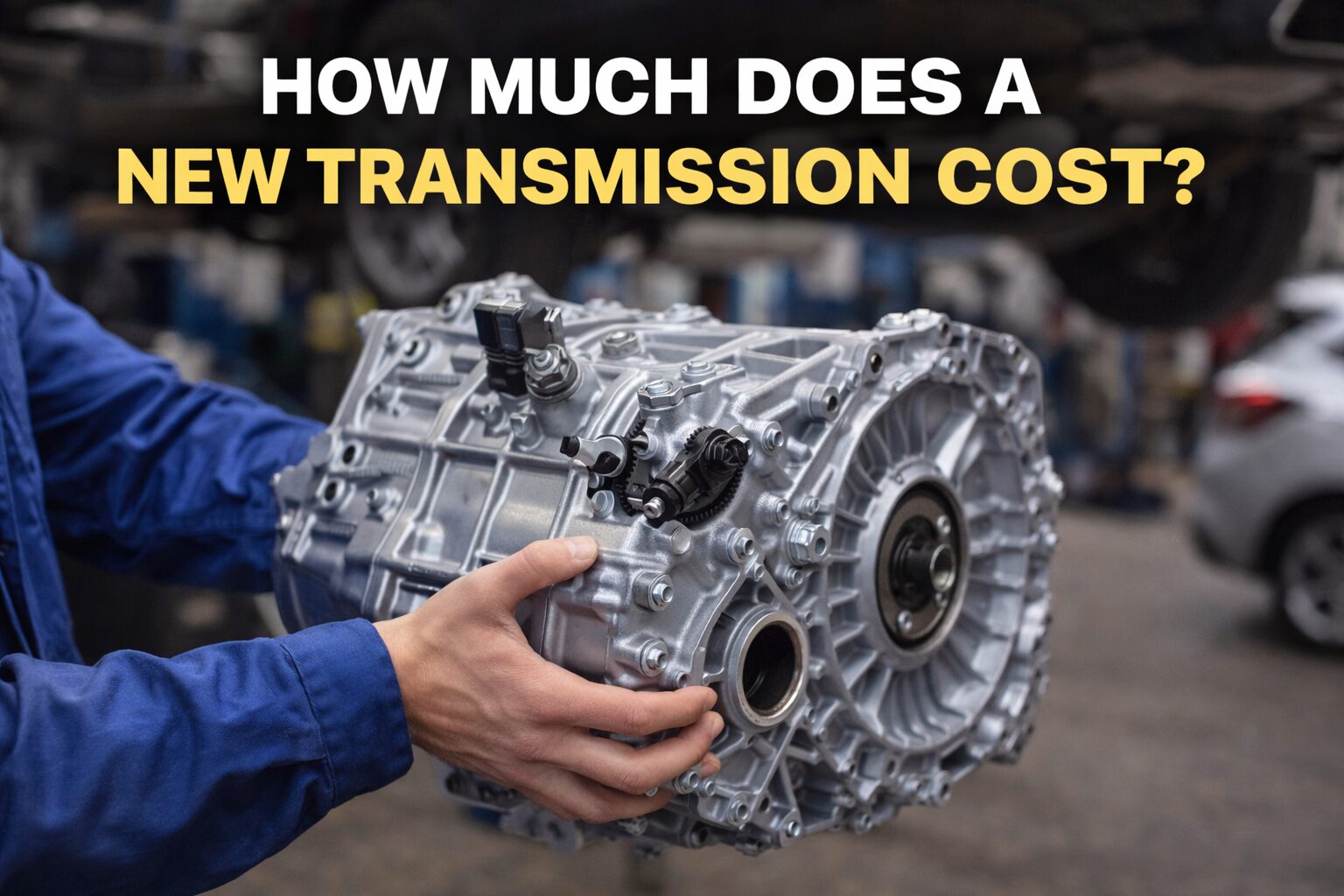
Few automotive repairs feel as intimidating as replacing a transmission. The transmission is one of the most complex and expensive components in any vehicle. It transfers engine power to the wheels, controls gear changes, and ensures smooth acceleration. When it fails, the vehicle may hesitate, slip between gears, or stop moving altogether. At that point, the big question usually follows: how much will this cost?
Transmission replacement is rarely a simple flat fee. Prices vary widely depending on vehicle type, transmission design, labor rates, and whether the replacement unit is new, rebuilt, or remanufactured. In some cases, the repair may cost a few thousand dollars. In others, it may approach or exceed the value of the vehicle itself.
Clear, detailed information helps avoid surprises. Breaking down parts cost, labor charges, additional components, and long-term considerations provides a realistic view of what to expect. The following sections examine every major factor that influences the total price of installing a new transmission.
Table of Contents
What Determines The Cost Of A New Transmission
Type Of Transmission And Vehicle Design
The type of transmission plays the largest role in determining cost. Automatic transmissions are generally more expensive than manual transmissions because of their internal complexity. Modern automatic units contain multiple clutch packs, valve bodies, torque converters, and electronic control components. Continuously variable transmissions and dual-clutch systems may cost even more due to specialized design and calibration requirements.
Vehicle size also matters. Compact cars typically use smaller transmissions with lower material costs. Heavy-duty trucks and performance vehicles require stronger units capable of handling higher torque, increasing price significantly. Luxury models often include advanced electronic modules that must be programmed during installation.
Rear-wheel-drive vehicles sometimes allow easier transmission access compared to front-wheel-drive vehicles, which may require additional labor. All-wheel-drive systems add further complexity due to transfer cases and drivetrain components.
These design factors directly influence both part cost and installation labor.
Brand New Versus Remanufactured Units
A brand-new transmission from the manufacturer is usually the most expensive option. It includes all new components and carries a factory warranty. However, cost may be significantly higher than alternative choices.
Remanufactured transmissions are rebuilt in specialized facilities. Worn parts are replaced, internal components are updated, and the unit is restored to meet performance standards. These units often come with warranties and cost less than new factory units while maintaining reliability.
Used transmissions from salvage yards are the least expensive upfront option. However, they carry higher risk because internal wear cannot always be verified. Warranty coverage may be limited.
Choosing between new, remanufactured, or used units affects both initial cost and long-term reliability.
Breakdown Of Transmission Replacement Expenses
Cost Of The Transmission Unit
The transmission itself may range from moderate to very high cost depending on vehicle type. For many standard passenger vehicles, a remanufactured automatic transmission often falls within a few thousand dollars. Luxury or heavy-duty models can exceed that range substantially.
Manual transmissions generally cost less than automatics due to simpler design. However, labor still represents a significant portion of total expense.
Specialized units such as dual-clutch systems or performance transmissions may carry premium pricing due to engineering complexity.
The final unit price depends on manufacturer, availability, and warranty coverage.
Labor Charges And Installation Complexity
Labor often accounts for a substantial part of the total bill. Removing and replacing a transmission requires lifting the vehicle, disconnecting the drivetrain, removing crossmembers, detaching wiring harnesses, and separating the unit from the engine.
Front-wheel-drive vehicles typically require more labor hours because of tighter engine bay packaging. In some cases, technicians must remove additional components to gain access.
Labor rates vary by location. Urban areas often have higher hourly rates compared to rural regions. Installation time can range from several hours to more than a full day depending on vehicle design.
Programming and calibration may also be required for electronically controlled transmissions, adding additional labor time.
Additional Costs That Affect The Final Bill
Torque Converter Replacement
In automatic transmissions, the torque converter plays a vital role in transferring engine power. Replacing the transmission without replacing or inspecting the torque converter can lead to repeated issues.
Many shops recommend installing a new torque converter along with the transmission. This adds to the total cost but protects the new unit from contamination or premature wear.
Skipping this step may lead to long-term complications.
Transmission Fluid And Filters
New fluid is required after installation. Some transmissions use specialized fluids that can be more expensive than standard automatic transmission fluid.
Filters and gaskets must also be replaced to ensure proper sealing and flow. While these components are relatively inexpensive compared to the transmission itself, they contribute to the total bill.
Using correct manufacturer-specified fluid protects warranty coverage.
Mounts, Seals, And Cooling Components
Transmission mounts may show wear and require replacement during installation. Seals and gaskets around the drivetrain should also be inspected.
In some cases, transmission coolers or cooling lines must be replaced or flushed to remove debris. Failing to clean the cooling system can contaminate the new transmission.
These additional items ensure proper operation but increase overall expense.
Rebuild Versus Replace Decision
When A Rebuild Makes Sense
A rebuild involves disassembling the existing transmission, replacing worn internal parts, and reassembling it. This option may cost less than full replacement depending on the extent of damage.
Rebuilds allow retention of the original housing and components that remain in good condition. However, rebuild quality depends heavily on technician skill and part quality.
For vehicles with moderate internal wear, rebuilding may provide reliable performance at reduced cost.
When Replacement Is The Better Option
Severe internal damage, cracked housings, or widespread component failure may make rebuilding impractical. In such cases, installing a remanufactured or new transmission is often more efficient.
Replacement units come preassembled and tested. This reduces downtime and often includes warranty protection.
The choice depends on damage severity and budget considerations.
Is It Worth Replacing A Transmission
Vehicle Age And Market Value
Transmission replacement cost should be compared to the vehicle’s market value. Installing a new transmission in an older vehicle with low resale value may not always make financial sense.
However, if the vehicle is otherwise in excellent condition, replacement may extend its lifespan significantly.
Evaluating repair cost versus replacement cost of the entire vehicle helps guide decision-making.
Long Term Reliability After Replacement
A properly installed new or remanufactured transmission can restore performance for many years. Warranty coverage adds reassurance.
Routine maintenance, including fluid changes and avoiding excessive towing beyond capacity, extends transmission life.
Investing in quality parts and professional installation increases reliability.
Ways To Reduce Transmission Replacement Costs
Compare Quotes From Multiple Shops
Obtaining estimates from several reputable repair facilities helps identify fair pricing. Ensure each quote includes parts, labor, fluid, and warranty details.
Comparing comprehensive estimates prevents hidden fees.
Consider Remanufactured Options
Remanufactured transmissions often provide strong value compared to brand-new units. Many carry multi-year warranties and are rebuilt to meet strict specifications.
Balancing cost and reliability ensures better long-term value.
Maintain Transmission To Avoid Early Failure
Regular fluid changes and prompt attention to warning signs reduce the likelihood of major failure. Preventive care is far less expensive than full replacement.
Listening to early symptoms saves money.
Final Thoughts
The cost of a new transmission depends on multiple factors including vehicle type, transmission design, labor rates, and whether the unit is new or remanufactured. While the expense can be significant, clear understanding of each component in the estimate prevents unexpected surprises.
Parts cost, labor complexity, torque converter replacement, fluid requirements, and potential additional repairs all contribute to the total bill. Comparing options carefully ensures informed financial decisions.
Replacing a transmission represents a major investment, but when performed correctly, it restores performance and extends vehicle life. Careful evaluation of cost versus vehicle value helps determine the best path forward.

- How Families in UAE Manage Changing Vehicle Needs - March 4, 2026
- How Many Axles On A Car And What They Do - March 2, 2026
- Metal Shavings In Oil Causes And What It Means - March 2, 2026