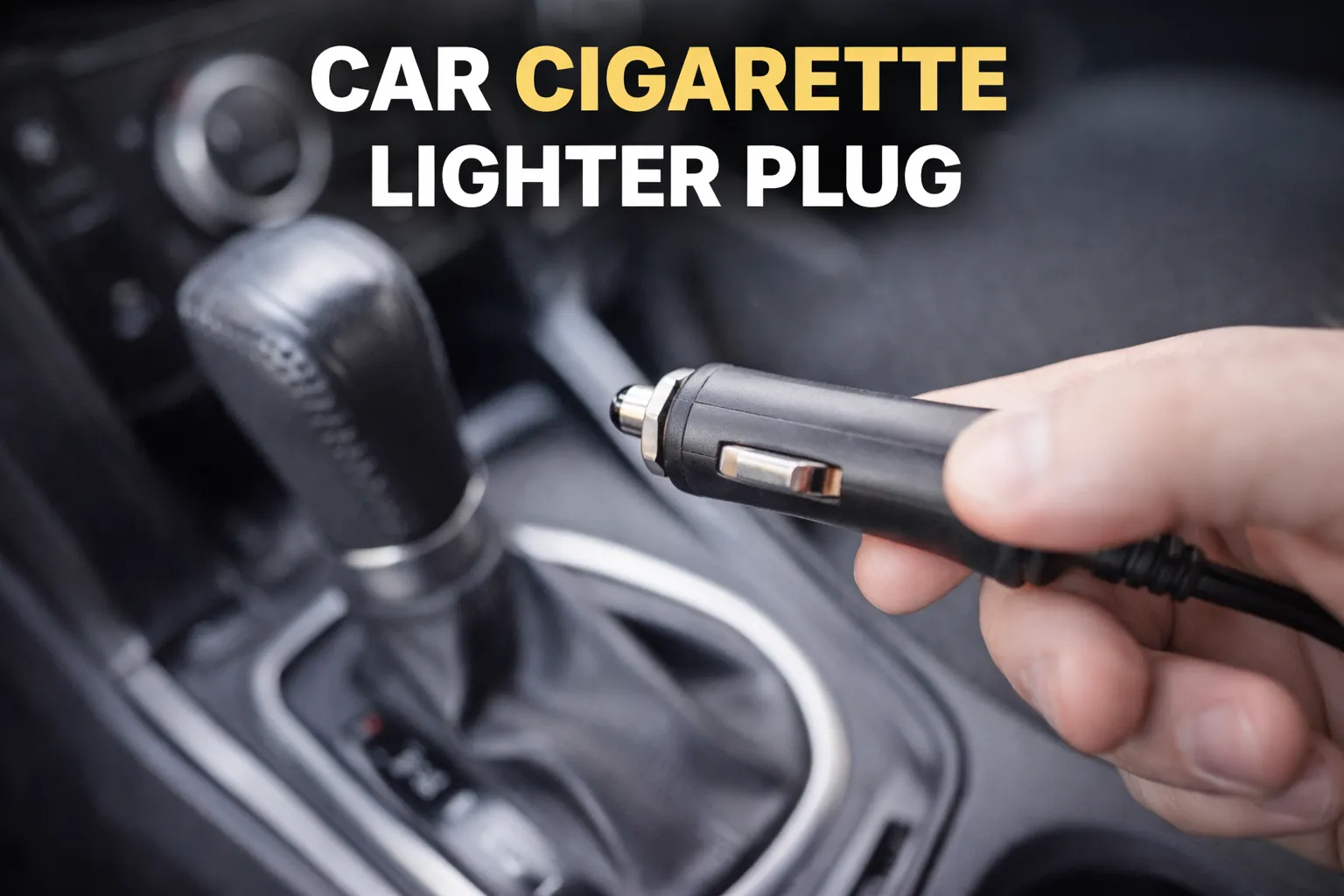
The car cigarette lighter plug has quietly evolved from a simple heating element into one of the most versatile power sources inside a vehicle. What once served a single purpose now powers phone chargers, dash cameras, tire inflators, portable coolers, and countless electronic accessories. Despite the growth of USB ports and wireless charging systems, the traditional 12-volt outlet remains widely used because of its reliability and flexibility.
Many drivers rarely think about this socket until it stops working. When it fails, everyday conveniences like charging a phone or running a navigation device suddenly disappear. The plug may seem minor compared to the engine or transmission, but it plays an important role in powering modern life on the road.
Here we go through how the cigarette lighter plug works, what causes common problems, and how to repair it safely, preventing frustration and avoiding unnecessary electrical damage. Clear information about wiring, fuse protection, load limits, and safe usage ensures the outlet remains dependable for years to come.
Table of Contents
How The Car Cigarette Lighter Plug Works
Basic Electrical Function And Power Source
The car cigarette lighter plug operates on the vehicle’s 12-volt electrical system. Power flows from the battery through a fuse and into the outlet socket. When the ignition is on, current becomes available at the center contact of the socket. The outer metal housing serves as the ground connection. When a compatible plug is inserted, it completes the circuit and allows power to flow to the connected device.
In older vehicles, the lighter element heated up when pressed inward. Once hot enough, it popped out automatically. Modern vehicles often remove the heating element and use the socket solely as an accessory outlet. The internal wiring remains similar, though some vehicles supply constant power even when the ignition is off. This design difference affects battery drain risk and should always be verified before leaving devices plugged in.
Voltage, Amperage, And Load Capacity
Most cigarette lighter plugs provide 12 volts of direct current. The amperage capacity typically ranges between 10 and 20 amps, depending on fuse rating and wiring size. This means the maximum wattage supported is usually between 120 and 240 watts.
Exceeding the rated load can blow a fuse or damage wiring. For example, small phone chargers draw minimal power, but air compressors and inverters demand much higher current. Before connecting high-power devices, checking both the accessory’s requirements and the vehicle’s fuse rating prevents overload.
Proper electrical balance protects the outlet from overheating and ensures consistent performance.
Common Problems With Car Cigarette Lighter Plugs
Blown Fuse And Loss Of Power
One of the most common reasons a cigarette lighter plug stops working is a blown fuse. The fuse protects the circuit from excessive current. If a device draws more power than the system allows, the fuse breaks the connection to prevent damage.
When the outlet suddenly stops supplying power, the first step is locating the fuse box. Most vehicles include a labeled diagram identifying the accessory fuse. Replacing a blown fuse with one of identical rating restores operation in many cases. Installing a higher-rated fuse is dangerous and risks electrical damage or fire.
Repeated fuse failure indicates an underlying issue such as short circuits or overloaded accessories. Addressing the root cause prevents ongoing problems.
Loose Connection Or Worn Socket
Over time, repeated insertion and removal of plugs can loosen the internal contacts of the socket. A loose connection may cause intermittent power loss, especially when driving over bumps. Devices may charge inconsistently or disconnect without warning.
Dirt, debris, or corrosion inside the socket can also block proper contact. Coins or metal fragments sometimes fall into the outlet and create short circuits. Cleaning the socket carefully with compressed air or a soft brush helps restore function.
If internal contacts are worn beyond repair, replacing the socket assembly provides a permanent solution.
Burned Or Melted Wiring
Using high-wattage accessories beyond the outlet’s capacity may cause overheating. Melted plastic, burnt smells, or visible discoloration around the socket indicate serious electrical stress.
In such cases, simply replacing the fuse is not enough. The wiring behind the dashboard must be inspected for heat damage. Replacing damaged wiring ensures safety and prevents future electrical hazards.
Ignoring signs of overheating increases fire risk and should never be delayed.
Modern Uses Beyond Cigarette Lighting
Powering Everyday Electronics
The cigarette lighter plug has transformed into a universal accessory outlet. Phone chargers, GPS devices, dash cameras, portable fans, and tablet adapters commonly rely on this socket. Multi-port adapters allow charging of several devices at once.
Because the outlet delivers stable 12-volt power, it supports voltage converters inside adapters that reduce output to USB standards. This flexibility makes it useful even in vehicles equipped with built-in USB ports.
Reliable performance depends on maintaining clean contacts and avoiding overloaded adapters.
Running High Demand Accessories
Portable tire inflators, small refrigerators, vacuum cleaners, and power inverters frequently use the 12-volt socket. These accessories draw higher current and place more strain on the circuit.
Before operating high-demand devices, check the fuse rating and ensure the engine is running to prevent battery drain. Continuous heavy usage without engine power may deplete the battery quickly.
Proper awareness of load limits ensures safe and consistent operation.
Charging While Engine Is Off
Some vehicles provide constant power to the cigarette lighter outlet, even with the ignition turned off. While convenient, this design can lead to battery drain if devices remain plugged in overnight.
If unsure whether the outlet is ignition-switched or always live, testing with a voltage meter provides clarity. Avoid leaving high-power accessories connected when the vehicle is parked for extended periods.
Battery maintenance plays a major role in preventing unexpected no-start situations.
Safe Troubleshooting And Replacement Steps
Checking Fuse And Electrical Supply
Begin troubleshooting by locating the fuse box. Identify the fuse dedicated to the accessory outlet. Remove and inspect it for breakage. Replace only with the same amperage rating.
If the new fuse blows immediately, a short circuit likely exists. Professional inspection may be necessary to trace damaged wiring.
Testing the outlet with a multimeter confirms whether voltage reaches the socket. Absence of voltage indicates upstream wiring or fuse issues.
Cleaning The Socket Interior
Disconnect the battery before cleaning. Use compressed air to remove dust or debris. Avoid inserting metal tools that could cause short circuits.
If corrosion appears inside the socket, gentle cleaning with electrical contact cleaner restores conductivity. Ensure the socket is completely dry before reconnecting power.
Routine inspection prevents buildup that interferes with proper contact.
Replacing The Socket Assembly
If the socket is damaged or worn, replacement is straightforward in many vehicles. Accessing the rear of the outlet typically requires removing a dashboard panel or center console trim.
Disconnect wiring harnesses carefully. Install the new socket securely and reconnect wiring according to manufacturer specifications.
After reassembly, test the outlet with a low-power device before reconnecting high-draw accessories.
Safety Considerations And Best Practices
Avoid Overloading The Circuit
Understanding the power limits of the outlet prevents overheating. Never use adapters that exceed rated wattage. For heavy-duty applications, consider installing a dedicated power line directly from the battery with proper fuse protection.
Electrical overload not only damages the outlet but also threatens surrounding wiring.
Monitor Heat And Odor
Unusual heat or burning smells around the socket signal immediate concern. Disconnect accessories and inspect wiring promptly.
Heat buildup often indicates poor connection or excessive load.
Use Quality Accessories
Low-quality chargers and adapters may lack proper voltage regulation. These devices can cause inconsistent power delivery or internal short circuits.
Choosing certified accessories ensures safe and stable electrical performance.
Final Thoughts On Car Cigarette Lighter Plug
The car cigarette lighter plug remains one of the most practical features inside modern vehicles. Though originally designed for a heating element, it now serves as a reliable power source for everyday electronics and travel accessories. Its simple design hides an important electrical role within the vehicle’s system.
When working correctly, it provides consistent 12-volt power with minimal attention required. When problems arise, the cause is often simple—such as a blown fuse or loose connection. Prompt inspection and safe troubleshooting restore functionality quickly.
Respecting load limits, using quality accessories, and maintaining clean contacts ensure long-term reliability. Even in an era of wireless charging and advanced infotainment systems, the traditional 12-volt outlet continues to prove its usefulness mile after mile.

- How Families in UAE Manage Changing Vehicle Needs - March 4, 2026
- How Many Axles On A Car And What They Do - March 2, 2026
- Metal Shavings In Oil Causes And What It Means - March 2, 2026