Every vehicle depends on two key electrical components to start and stay running: the battery and the alternator. The battery provides the initial surge of power to crank the engine. Once the engine starts, the alternator takes over, supplying electricity to all systems and recharging the battery at the same time. When one of these components fails, starting problems quickly follow.
Many drivers assume that if a car will not start, it simply needs a jump. In some cases, that is true. However, when the alternator is faulty, the situation becomes more complicated. A jumpstart may get the engine running temporarily, but the underlying charging problem remains. That can leave the vehicle stranded again just minutes later.
Knowing whether a jumpstart will help, how long the car might run afterward, and what risks are involved makes a major difference. Clear knowledge of how the alternator works, how to recognize failure signs, and how to respond safely prevents damage and unexpected breakdowns.
Table of Contents
How The Alternator And Battery Work Together
The Battery Provides Initial Starting Power
The battery stores electrical energy and delivers high current to the starter motor when the ignition is turned. This allows the engine to crank and begin combustion. Once the engine fires up, the battery’s job shifts from supplying power to supporting electrical stability.
If the battery alone were responsible for running all vehicle systems, it would drain quickly. That is where the alternator becomes essential.
The Alternator Charges And Supplies Power
The alternator generates electricity using a belt driven by the engine. As the engine rotates, the alternator converts mechanical energy into electrical power. This power runs headlights, ignition systems, fuel pumps, climate controls, and electronic modules.
At the same time, it recharges the battery. Without a functioning alternator, the battery continues to drain while the car operates. Once the battery voltage drops too low, the engine stalls and will not restart.
Can You Jumpstart A Car With A Bad Alternator
A Jumpstart Can Start The Engine Temporarily
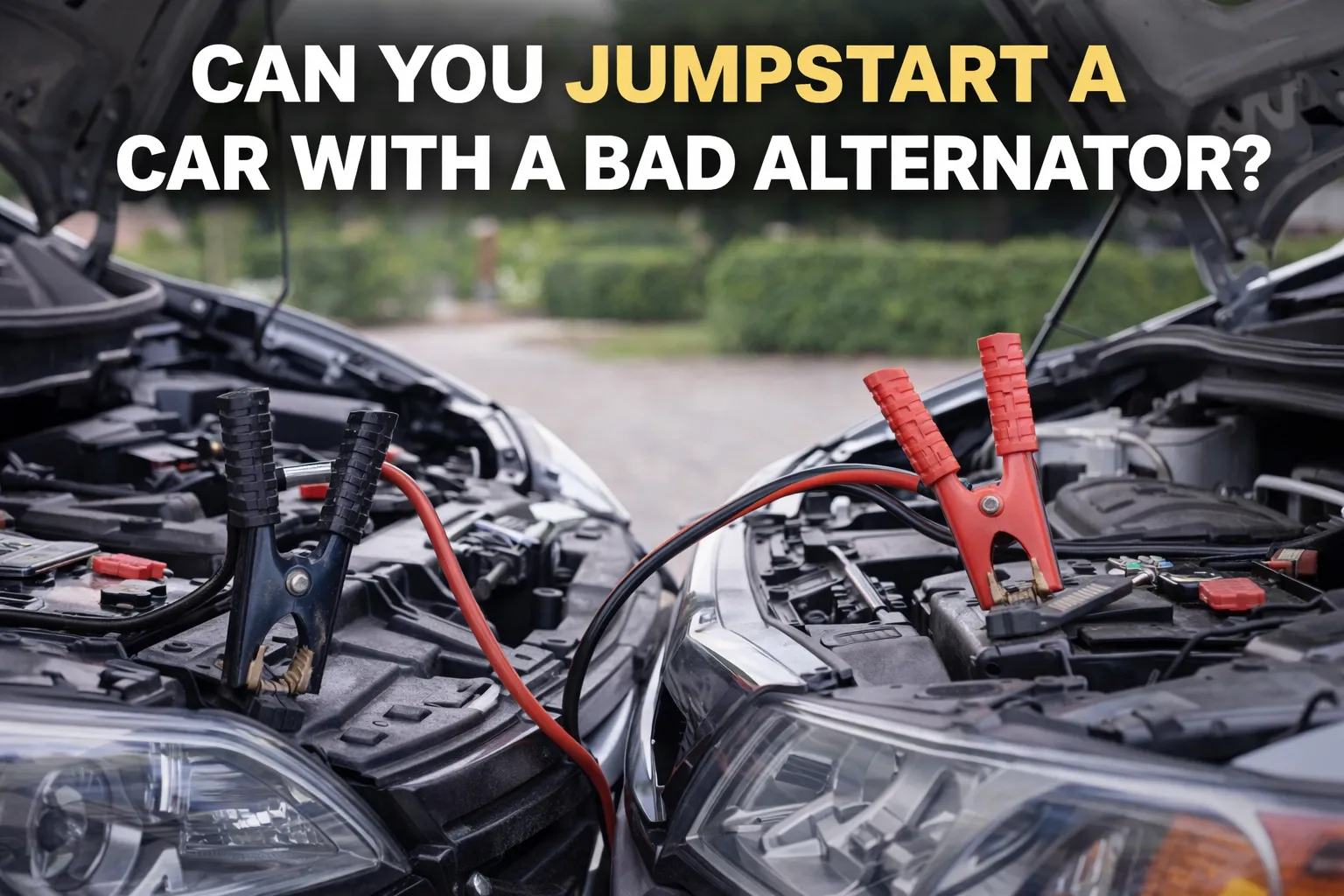
Yes, a jumpstart can often start a car even if the alternator is bad. The jump provides the necessary electrical boost from another battery. This allows the engine to crank and begin running.
However, this does not fix the charging issue. Once the jumper cables are removed, the vehicle relies entirely on whatever charge remains in the battery. If the alternator is not producing electricity, the battery begins draining immediately.
How Long The Car Will Run After A Jump
The running time depends on battery condition and electrical load. A fully charged battery might power the vehicle for several minutes or, in rare cases, up to half an hour. Using headlights, air conditioning, or audio systems reduces that time significantly.
As voltage drops, warning lights may appear. The dashboard may flicker, and engine performance may decline. Eventually, the engine will stall once electrical supply becomes insufficient.
Risks Of Repeated Jumpstarting
Repeatedly jumpstarting a vehicle with a bad alternator can strain both the battery and starter system. Each restart draws heavy current. Over time, this can shorten battery life and stress electrical components.
Relying on jumpstarts instead of repairing the alternator increases the risk of sudden shutdown while driving.
Signs The Alternator Is The Real Problem
Battery Warning Light On Dashboard
Most vehicles have a battery-shaped warning light that illuminates when charging system output drops below acceptable levels. Despite the symbol, this light often indicates an alternator issue rather than a battery failure.
If this light appears while driving, the alternator may not be charging properly.
Dim Or Flickering Lights
Headlights or dashboard lights that dim or flicker while the engine runs suggest unstable voltage. Electrical components depend on steady output from the alternator.
Flickering lights often become more noticeable at idle.
Strange Noises From The Engine Bay
A failing alternator may produce whining or grinding noises. Worn bearings or internal components create these sounds. The noise may change with engine speed.
Unusual sounds combined with charging problems strongly suggest alternator wear.
Electrical Accessories Failing
Power windows, infotainment systems, or climate controls may operate slowly or shut off unexpectedly when voltage drops.
This symptom often appears shortly before the engine stalls.
How to CHeck If You Suspect Alternator Failure
Perform A Basic Voltage Test
Using a multimeter provides quick insight. With the engine off, a healthy battery should read around 12.6 volts. With the engine running, voltage should increase to approximately 13.5 to 14.5 volts.
If voltage does not rise after starting, the alternator likely is not charging.
Inspect The Drive Belt
The alternator depends on a belt connected to the engine. If the belt is loose, worn, or broken, the alternator cannot spin properly. Replacing a damaged belt may restore charging.
Belt inspection is simple and should not be overlooked.
Check Battery Condition
Sometimes a weak battery mimics alternator failure. Testing both components ensures accurate diagnosis. A failing battery may not hold charge even with a healthy alternator.
Professional testing confirms which component requires replacement.
Is It Safe To Drive After Jumpstarting
Driving a short distance to a repair facility may be possible if the battery holds enough charge. Turning off nonessential electrical systems extends operating time.
However, driving long distances is risky. Sudden loss of power can disable steering assist and safety systems.
Towing may be the safer choice in many cases.
Cost Of Alternator Replacement
Replacement cost varies depending on vehicle make and labor requirements. The alternator itself is often moderately priced, but labor can increase total expense.
Delaying replacement risks battery damage, which adds further cost.
Preventing Charging System Failure
Regular inspection of belts and battery terminals reduces unexpected problems. Corroded terminals increase resistance and affect charging efficiency.
Replacing aging batteries before complete failure reduces strain on the alternator.
Routine maintenance extends the overall system lifespan.
Final Thoughts
A jumpstart can temporarily bring a vehicle with a bad alternator back to life, but it is not a lasting solution. Once the engine runs, the alternator must supply electricity and recharge the battery. If it fails to do so, the battery alone powers the vehicle until drained.
Driving under those conditions carries risk. Warning lights, dim lights, and repeated stalling signal charging system failure. Prompt diagnosis prevents sudden shutdown and protects other electrical components.
The safest path involves testing voltage, confirming the faulty component, and replacing the alternator as needed. Reliable charging ensures consistent performance and prevents inconvenient breakdowns.

- How Families in UAE Manage Changing Vehicle Needs - March 4, 2026
- How Many Axles On A Car And What They Do - March 2, 2026
- Metal Shavings In Oil Causes And What It Means - March 2, 2026