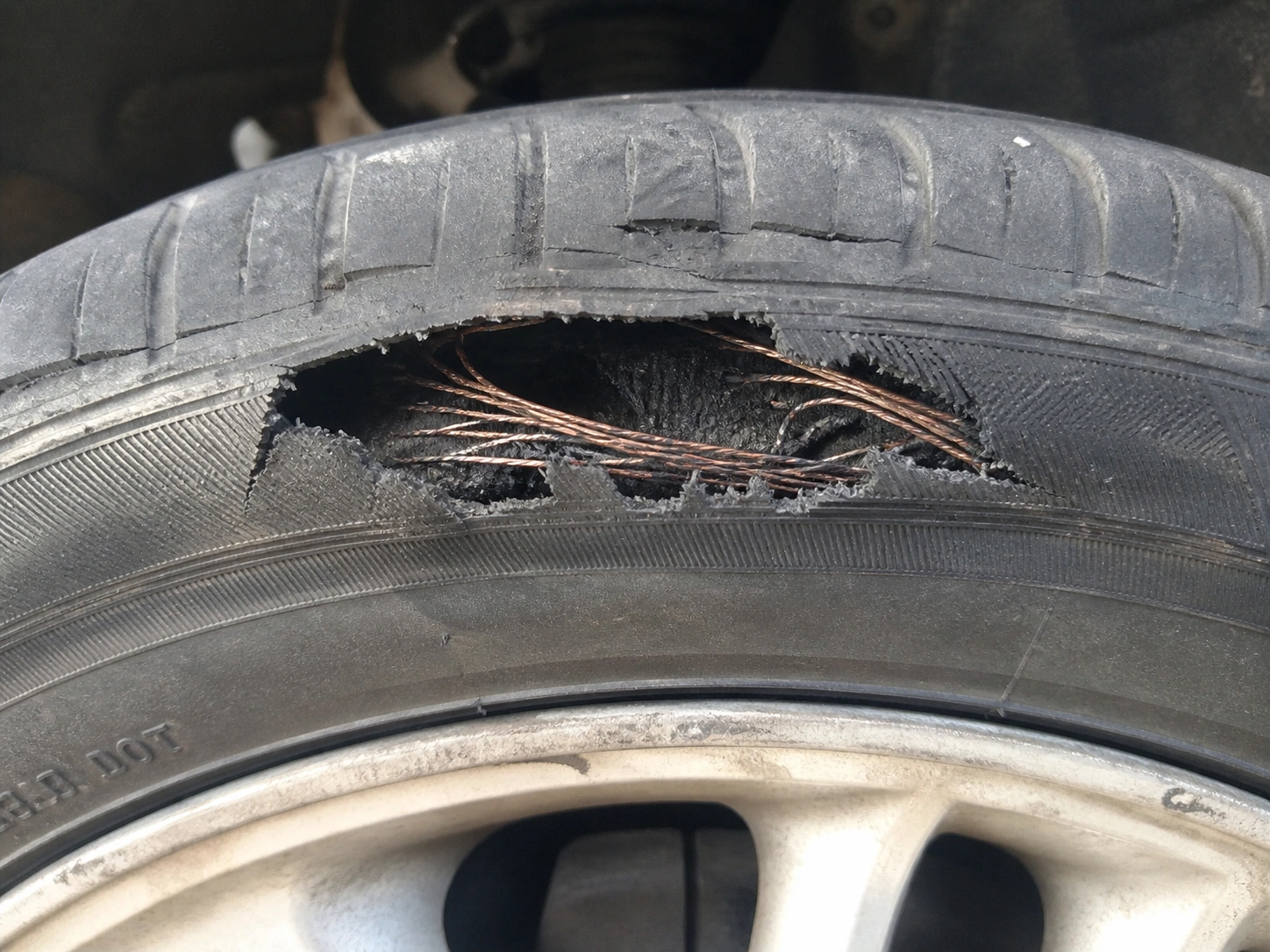
Tires carry the entire weight of a vehicle while maintaining grip, stability, and control across different road conditions. Beneath the rubber surface lies a reinforced structure made of steel belts, which provide strength and help the tire keep its shape. When one of these belts becomes damaged or breaks, the tire can no longer perform as intended.
A broken belt is not always immediately obvious, but it often reveals itself through unusual vibrations, uneven wear, or visible bulges. These signs should never be ignored, as the internal damage can worsen quickly and lead to sudden tire failure.
Unlike minor tire issues, a broken belt cannot be repaired safely. The only reliable solution is replacement. Recognizing the symptoms early and taking action prevents further complications and ensures that the vehicle remains stable and safe on the road.
Table of Contents
What A Broken Belt In A Tire Means
Structure Of A Tire And Role Of Steel Belts
Modern tires are built with multiple layers that work together to provide durability and performance. One of the most important layers is the steel belt, located beneath the tread. These belts are made of strong steel wires arranged in a specific pattern to reinforce the tire.
The belts help maintain the shape of the tire, distribute load evenly, and improve traction. They also contribute to stability at higher speeds by keeping the tread firmly connected to the rest of the tire structure.
When these belts are intact, the tire remains balanced and performs efficiently. However, if a belt breaks or shifts, the structure becomes unstable. This leads to uneven surfaces, reduced grip, and potential safety risks.
Understanding the role of steel belts highlights why damage to them is a serious issue that should not be overlooked.
How Belt Damage Occurs Inside The Tire
A broken belt usually develops due to internal stress or external impact. Hitting potholes, curbs, or road debris can weaken the internal structure of the tire. Over time, repeated stress can cause the belts to separate or break.
Manufacturing defects or aging can also contribute to belt failure. As the tire ages, the materials may lose strength, making the belts more vulnerable to damage.
Improper inflation is another factor. Overinflated or underinflated tires experience uneven pressure, which can strain the internal structure and lead to belt separation.
Once the belt is damaged, the tire begins to lose its uniform shape, leading to noticeable symptoms during driving.
Difference Between Belt Damage And Other Tire Issues
A broken belt is different from common tire problems such as punctures or tread wear. While punctures affect the outer layer, belt damage occurs internally and compromises the structural integrity of the tire.
Tread wear usually develops gradually and evenly, while belt damage often creates uneven patterns or bulges. This makes the tire unstable and unpredictable.
Unlike minor issues that can sometimes be repaired, a broken belt requires complete tire replacement. Attempting to repair it does not restore the original strength or safety.
Recognizing this difference ensures that the correct action is taken without delay.
Signs Of A Broken Belt In Tire
Vibration While Driving
One of the most common signs of a broken belt is unusual vibration. This vibration is often felt through the steering wheel or the floor of the vehicle, especially at certain speeds.
The vibration occurs because the tire loses its uniform shape. As it rotates, the uneven surface creates an imbalance, leading to noticeable shaking.
This symptom may start as a mild vibration and gradually become more severe. It is often mistaken for wheel alignment or balancing issues, but the underlying cause is different.
Identifying this sign early helps prevent further damage and ensures safer driving.
Visible Bulge Or Deformation
A broken belt can cause a bulge to appear on the tire surface. This bulge is a clear indication that the internal structure has been compromised.
The affected area may look raised or uneven compared to the rest of the tire. This deformation weakens the tire and increases the risk of a blowout.
Driving with a bulged tire is dangerous, as the weakened area may fail under pressure. Immediate replacement is necessary to avoid accidents.
Regular visual inspection of tires helps detect such issues before they become critical.
Uneven Tread Wear Patterns
Belt damage often leads to irregular tread wear. Instead of wearing evenly, the tire may develop patches or uneven patterns.
This occurs because the damaged belt affects how the tire contacts the road. Certain areas experience more pressure, leading to faster wear.
Uneven wear reduces traction and affects handling. It also shortens the lifespan of the tire.
Monitoring tread condition helps identify hidden issues such as belt damage.
Causes Of Broken Tire Belts
Impact Damage From Road Hazards
Road hazards such as potholes, debris, and curbs are major causes of belt damage. A sudden impact can weaken or break the internal structure of the tire.
Even if the damage is not visible immediately, it may develop over time. Repeated impacts increase the risk of belt separation.
Driving carefully and avoiding obstacles helps reduce the chances of such damage.
Being aware of road conditions plays a key role in tire safety.
Improper Tire Inflation
Incorrect tire pressure can put extra stress on the internal structure. Overinflated tires become rigid and more prone to impact damage, while underinflated tires flex excessively.
Both conditions can weaken the belts and lead to failure. Maintaining proper inflation ensures even distribution of pressure and reduces strain.
Regularly checking tire pressure helps prevent this issue and extends tire life.
Proper inflation is one of the simplest ways to protect tires.
Aging And Manufacturing Defects
Over time, tire materials degrade due to exposure to heat, sunlight, and environmental factors. This natural aging process can weaken the belts and increase the risk of failure.
In some cases, manufacturing defects may cause premature belt damage. While rare, these issues can affect the structural integrity of the tire.
Replacing old tires and choosing quality products helps reduce these risks.
Awareness of tire age and condition ensures better performance and safety.
Can You Drive With A Broken Belt In Tire
Safety Risks And Driving Impact
Driving with a broken belt is unsafe and should be avoided. The damaged structure can lead to sudden failure, especially at higher speeds.
The tire may lose its shape, affecting handling and stability. This increases the risk of losing control of the vehicle.
Even short distances can be risky, as the condition may worsen quickly.
Replacing the tire immediately ensures safety and prevents accidents.
How Long A Damaged Tire Can Last
A tire with a broken belt does not have a predictable lifespan. It may fail suddenly without warning, making it unreliable for continued use.
Factors such as speed, load, and road conditions can accelerate the damage. Even if the tire appears functional, the internal weakness remains.
Relying on a damaged tire increases the risk of unexpected failure.
Immediate replacement is always the safest option.
Temporary Solutions And Their Limitations
There are no safe temporary fixes for a broken belt. Unlike punctures, this type of damage cannot be repaired or reinforced effectively.
Using sealants or patches does not address the internal structural issue. These methods may provide a false sense of security.
The only reliable solution is replacing the tire with a new one.
Avoiding temporary fixes ensures proper safety and performance.
Comparison Of Tire Issues
| Issue Type | Repair Possible | Risk Level | Recommended Action |
| Puncture | Yes | Low | Patch Or Plug |
| Uneven Wear | Partial | Medium | Rotate Or Replace |
| Sidewall Damage | No | High | Replace Tire |
| Broken Belt | No | Very High | Replace Immediately |
How To Prevent Tire Belt Damage
Regular Inspection And Maintenance
Routine inspection helps identify early signs of damage. Checking for bulges, cracks, and uneven wear ensures that problems are detected early.
Maintaining proper alignment and balancing reduces stress on the tires. Regular maintenance keeps the tires in good condition.
Consistent inspection improves safety and extends tire life.
Proper Driving Habits
Avoiding sudden impacts and driving carefully over rough roads reduces the risk of belt damage. Slowing down near potholes and obstacles helps protect the tire structure.
Smooth driving habits reduce stress on the tires and improve durability.
Being mindful of road conditions ensures better performance and safety.
Choosing Quality Tires
High-quality tires are built with stronger materials and better construction. They are more resistant to damage and provide longer service life.
Selecting reliable brands and replacing tires at the right time reduces the risk of belt failure.
Investing in quality ensures better safety and performance.
Conclusion
A broken belt in a tire is a serious issue that affects safety and performance. It cannot be repaired and requires immediate replacement. Recognizing the signs early, such as vibration, bulges, and uneven wear, helps prevent further damage.
Maintaining proper tire care, avoiding road hazards, and using quality products ensures long-term reliability. Taking action at the right time keeps the vehicle stable and safe on the road.
Frequently Asked Questions?
What Causes A Broken Belt In A Tire?
It is usually caused by impact damage, improper inflation, or aging.
Can A Broken Tire Belt Be Repaired?
No, the tire must be replaced for safety reasons.
Is It Safe To Drive With A Broken Belt?
No, it increases the risk of tire failure and should be addressed immediately.
How Do I Know If My Tire Has A Broken Belt?
Common signs include vibration, bulges, and uneven tread wear.
Does Tire Age Affect Belt Strength?
Yes, older tires are more likely to develop internal damage over time.

- Broken Belt In Tire Symptoms Causes And Safe Fix - May 4, 2026
- Car Starts Sometimes And Sometimes It Doesn’t Causes And Fix - May 4, 2026
- Synthetic Oil Change Cost At Jiffy Lube In 2026 - May 4, 2026