A car that starts one moment and refuses the next can be frustrating and confusing. Unlike a complete failure where the cause is obvious, intermittent starting problems create uncertainty. The engine may crank normally on one attempt and remain silent on the next, making it difficult to pinpoint the issue.
This type of problem often signals an underlying fault that has not completely failed yet. Components such as the battery, starter, fuel system, or electrical connections may be weakening but still function occasionally. These partial failures are harder to diagnose because they do not produce consistent symptoms.
The key to solving this issue lies in identifying patterns and checking critical systems step by step. With the right approach, it becomes easier to narrow down the cause and fix the problem before it turns into a complete breakdown. A clear guide helps in recognizing warning signs, testing components, and restoring reliable starting performance.
Table of Contents
Common Reasons Behind Intermittent Starting Problem
Weak Battery And Loose Connections
A weak battery is one of the most common reasons a car starts inconsistently. Even if the battery still has some charge, it may not provide enough power every time the engine is started. This can result in occasional success followed by failure.
Loose or corroded battery terminals can also interrupt the flow of electricity. When the connection is not secure, power delivery becomes inconsistent. The engine may start when the connection is stable and fail when it is not.
Temperature changes can make this issue more noticeable. Cold weather reduces battery efficiency, while heat can accelerate internal wear. Both conditions can contribute to irregular performance.
Regular inspection of battery condition and terminals helps prevent this problem. Cleaning connections and ensuring a tight fit improves reliability and reduces starting issues.
Faulty Starter Motor Or Solenoid
The starter motor is responsible for turning the engine when the key is turned. If it begins to fail, it may work sometimes and fail at other times. This creates an unpredictable starting pattern.
A worn starter motor may produce clicking sounds or fail to engage completely. In some cases, tapping the starter lightly can temporarily restore function, indicating internal wear.
The solenoid, which controls the starter, can also develop faults. If it fails to send the proper signal, the starter will not engage even if the battery is fully charged.
Over time, repeated use causes wear in these components. Replacing a failing starter or solenoid restores consistent starting performance.
Fuel Delivery Issues
Fuel delivery problems can also cause intermittent starting. A weak fuel pump may not provide enough pressure every time the engine is started. This can lead to occasional starting failures.
Clogged fuel filters or injectors can restrict fuel flow, making it harder for the engine to start. In some cases, the engine may crank but fail to ignite due to insufficient fuel.
These issues often become more noticeable under certain conditions, such as low fuel levels or high temperatures. Addressing fuel system problems ensures proper engine operation.
Maintaining clean fuel lines and replacing filters regularly helps prevent such issues.
Electrical Problems That Cause Starting Failure
Ignition Switch And Wiring Faults
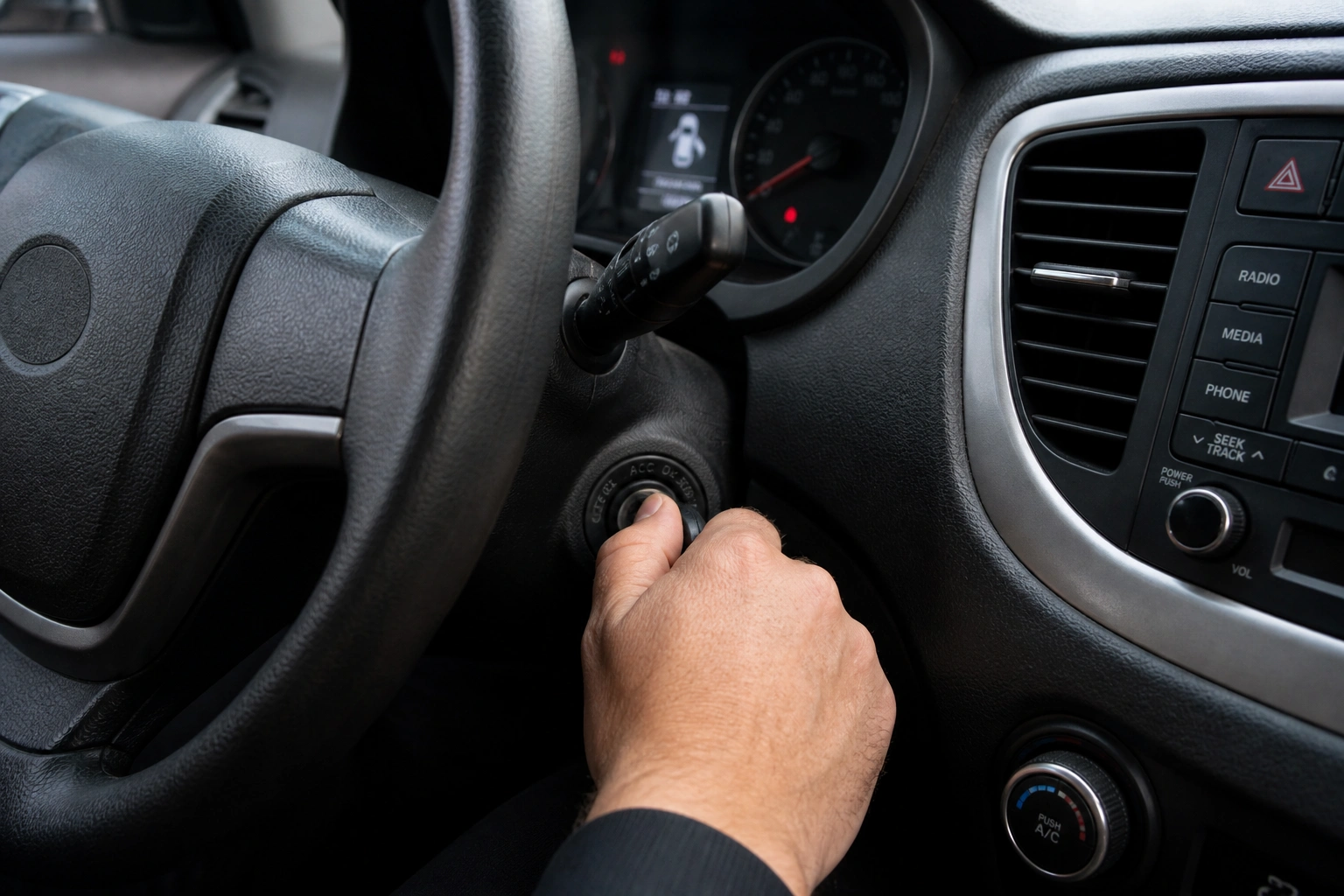
The ignition switch plays a key role in starting the vehicle. If it develops faults, it may fail to send power to the starter or other components. This can result in intermittent starting issues.
Wiring problems can also disrupt electrical flow. Damaged or worn wires may work intermittently, causing inconsistent performance. These faults are often difficult to detect without proper inspection.
Loose connectors or aging electrical components can contribute to the problem. Over time, these connections may degrade, leading to unreliable operation.
Checking the ignition system and wiring ensures that power is delivered consistently to all necessary components.
Faulty Sensors And Engine Control Issues
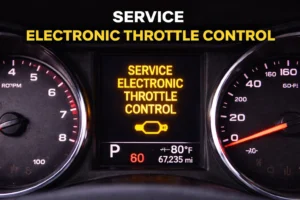
Modern vehicles rely on sensors to manage engine operation. If a sensor fails or sends incorrect signals, the engine may not start properly. This can create intermittent issues that are hard to diagnose.
Sensors such as the crankshaft or camshaft position sensor are critical for starting. If they fail, the engine control unit may not allow ignition.
Electronic control units can also experience glitches or faults. These issues may temporarily disrupt communication between components.
Diagnosing sensor and control system problems requires proper tools and expertise. Addressing these issues restores reliable starting.
Problems With Key Or Immobilizer System
Security systems can also cause starting issues. If the immobilizer fails to recognize the key, it may prevent the engine from starting. This can happen intermittently due to signal issues.
A worn key or weak key fob battery can affect communication with the system. In some cases, the system may work normally one moment and fail the next.
Electrical interference or system glitches can also trigger this problem. Resetting the system or using a spare key may help identify the cause.
Ensuring proper key function and system operation prevents unexpected starting failures.
Quick Diagnosis Guide For Intermittent Starting
| Symptom | Possible Cause | Recommended Action |
| Clicking Sound Only | Weak Battery Or Starter | Check Battery And Connections |
| Engine Cranks But No Start | Fuel Or Sensor Issue | Inspect Fuel System |
| No Response At All | Ignition Or Electrical Fault | Check Wiring And Switch |
| Starts After Multiple Attempts | Weak Starter Or Battery | Test Starter And Battery |
| Starts Then Stalls | Fuel Pump Or Sensor Problem | Inspect Fuel Delivery |
Steps To Fix The Problem Properly
Checking Battery And Charging System
Start by testing the battery voltage and ensuring it is fully charged. A multimeter can help measure voltage levels and confirm whether the battery is functioning correctly.
Inspect terminals for corrosion and clean them if necessary. Tightening loose connections ensures proper power flow.
The alternator should also be checked to confirm that it is charging the battery properly. A failing alternator can lead to repeated starting issues.
Addressing these components first eliminates one of the most common causes.
Inspecting Starter And Electrical Components
The starter motor and solenoid should be tested for proper operation. If the starter fails intermittently, it may need replacement.
Checking wiring connections ensures that power is reaching the starter consistently. Loose or damaged wires should be repaired immediately.
Testing the ignition switch helps confirm whether it is functioning correctly. Replacing faulty components restores reliable operation.
A thorough inspection of electrical components helps identify hidden issues.
Testing Fuel System And Sensors
Fuel pressure should be tested to ensure that the pump is delivering enough fuel. A weak pump or clogged filter can cause starting problems.
Sensors should be checked using diagnostic tools to identify faults. Replacing defective sensors ensures proper engine operation.
Cleaning fuel injectors and maintaining the system improves performance and reliability.
Addressing fuel and sensor issues completes the diagnostic process.
How To Prevent Future Starting Issues
Regular Maintenance And Inspection
Routine maintenance plays a key role in preventing intermittent starting problems. Regularly checking the battery, starter, and fuel system ensures that components remain in good condition.
Replacing worn parts before they fail completely reduces the risk of unexpected issues. Scheduled inspections help identify problems early.
Consistent maintenance keeps the vehicle reliable and reduces long-term costs.
Keeping Electrical Connections Clean
Clean and secure electrical connections are essential for proper operation. Corrosion and loose connections can disrupt power flow and cause starting issues.
Regular cleaning and inspection of terminals and wiring prevent these problems. Using protective coatings can help reduce corrosion.
Maintaining electrical connections ensures consistent performance.
Monitoring Warning Signs Early
Paying attention to early warning signs helps prevent major issues. Slow cranking, unusual noises, or delayed starting should not be ignored.
Addressing these signs early prevents further damage and ensures reliable operation. Ignoring them can lead to complete failure.
Staying alert to changes in performance helps maintain the vehicle in good condition.
Practical Takeaway
Intermittent starting problems often point to components that are beginning to fail but have not completely stopped working. Identifying the cause requires a systematic approach, focusing on the battery, starter, fuel system, and electrical components.
Addressing the issue early prevents further damage and reduces repair costs. Regular maintenance and careful observation of warning signs ensure consistent performance.
A well-maintained vehicle starts reliably and avoids the inconvenience of unexpected failures.
Frequently Asked Questions?
Why Does My Car Start Sometimes And Not Other Times?
It is usually caused by a weak battery, faulty starter, or fuel delivery issues.
Can A Bad Starter Cause Intermittent Starting?
Yes, a worn starter can work occasionally before failing completely.
Will A Weak Battery Still Start A Car Sometimes?
Yes, it may provide enough power occasionally but fail under certain conditions.
How Do I Know If My Fuel Pump Is Failing?
Symptoms include engine cranking without starting and loss of power.
Is It Safe To Drive With This Problem?
It is not recommended, as the car may fail to start at any time.

- Broken Belt In Tire Symptoms Causes And Safe Fix - May 4, 2026
- Car Starts Sometimes And Sometimes It Doesn’t Causes And Fix - May 4, 2026
- Synthetic Oil Change Cost At Jiffy Lube In 2026 - May 4, 2026