
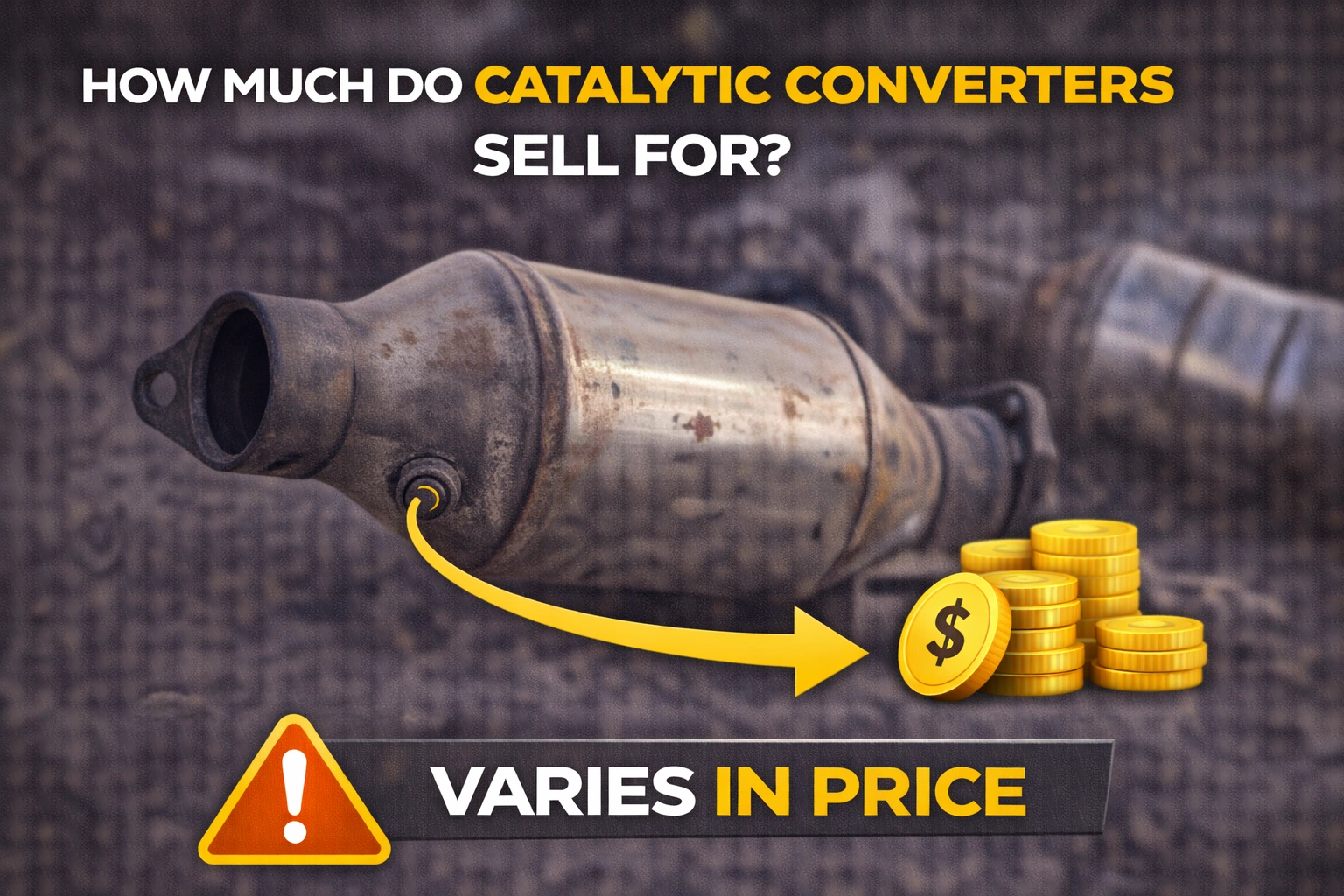
Catalytic converters have quietly become one of the most valuable components underneath a vehicle. Hidden within the exhaust system, this metal canister plays a crucial role in reducing harmful emissions. Inside it are precious metals such as platinum, palladium, and rhodium — materials that carry significant market value. As global demand and metal prices fluctuate, the resale value of catalytic converters can vary widely.
Vehicle owners often wonder how much a used converter is worth. The answer depends on several factors, including vehicle type, metal content, market conditions, and the buyer. A small compact car converter may sell for a modest amount, while units from hybrid vehicles or heavy-duty trucks can command much higher prices. To estimate value accurately, it is important to understand how converters are priced, how scrap yards evaluate them, and what influences their resale potential.
Table of Contents
What Determines The Value Of A Catalytic Converter
Precious Metal Content And Market Rates
The primary factor influencing converter value is the quantity of precious metals inside. Platinum, palladium, and rhodium are coated onto the ceramic honeycomb structure within the converter. These metals act as catalysts that transform harmful exhaust gases into less harmful emissions.
Market prices for these metals fluctuate daily based on global supply and demand. Rhodium, in particular, has experienced dramatic price swings over recent years. Even small amounts inside a converter can significantly affect its scrap value.
Converters from certain vehicles contain higher metal concentrations. For example, hybrid models such as the Toyota Prius often contain more precious metals because of stricter emission control requirements. As a result, these units tend to sell for higher prices compared to standard gasoline vehicles.
Scrap buyers analyze metal content before offering payment. They often rely on serial numbers stamped on the converter to determine its type and expected metal yield.
Vehicle Type And Converter Size
Not all converters are equal. Compact cars typically have smaller units with lower precious metal content. Mid-size sedans, SUVs, and trucks may contain larger converters with increased metal loading.
Heavy-duty trucks and diesel vehicles use different emission systems. Some diesel converters may contain less of certain metals but more of others depending on emission standards.
For example, converters from popular trucks like the Ford F-150 often carry higher scrap value due to their size and metal concentration. Performance vehicles and luxury models may also feature advanced emission systems that increase metal content.
Condition plays a role as well. Converters that are damaged internally or heavily rusted may receive lower offers.
Average Selling Price Range
Typical Scrap Value For Used Converters
On average, used catalytic converters may sell anywhere between $50 and $1,500 depending on type and market conditions. Smaller units from compact cars usually fall on the lower end of the range. Mid-size and SUV converters often bring in a few hundred dollars.
Hybrid converters frequently command higher prices due to increased precious metal content. In certain market conditions, some hybrid units have sold for over $1,000.
It is important to note that scrap prices change based on global metal markets. When rhodium prices rise, converter values often increase accordingly. Conversely, when precious metal prices decline, scrap offers decrease.
Checking current scrap metal rates provides a clearer estimate before selling.
Selling As A Whole Versus Scrap Recovery
Catalytic converters can be sold intact to scrap yards or specialized recycling facilities. Buyers either resell them to refiners or process them for metal extraction.
Professional refiners crush and assay the internal substrate to measure metal content accurately. This process determines final payout.
Selling directly to a reputable recycler may yield higher returns compared to general scrap yards. Some buyers specialize exclusively in converters and provide detailed quotes based on serial numbers.
Avoid dismantling the internal honeycomb structure yourself. Refining precious metals requires specialized equipment and chemical processes.
Legal Considerations When Selling
Ownership Proof And Identification Requirements
Due to rising theft incidents, many regions now require proof of ownership before purchasing used catalytic converters. Sellers may need to provide identification and documentation proving the converter was legally obtained.
Scrap yards often record serial numbers and seller information. These measures help prevent illegal transactions and protect legitimate vehicle owners.
Attempting to sell a converter without proper documentation may result in refusal by reputable buyers. Always verify local regulations before selling.
Maintaining records of the vehicle from which the converter was removed provides added protection.
Environmental And Recycling Benefits
Catalytic converters contain valuable metals that can be reused in new manufacturing. Recycling reduces the need for mining and conserves natural resources.
Professional refiners recover metals through controlled processes that minimize environmental impact. Responsible recycling supports sustainability within the automotive industry.
Improper disposal wastes valuable materials and may violate environmental guidelines. Choosing certified recycling facilities ensures ethical handling.
Tips To Get The Best Price
Compare Multiple Buyers
Prices can vary significantly between buyers. Contacting several scrap yards or specialized converter buyers helps secure competitive offers.
Provide clear photos and serial numbers when requesting quotes. Accurate identification allows buyers to estimate metal content more precisely.
Avoid accepting the first offer without comparison. Market research often leads to better results.
Monitor Precious Metal Market Trends
Since converter value depends on precious metals, watching market trends helps determine the best time to sell. If metal prices are rising, waiting briefly may increase payout.
However, holding onto a converter for too long may expose it to damage or market decline. Balance timing with current demand.
Staying informed improves negotiation confidence.
Catalytic converters hold real value because of the precious metals they contain. Depending on vehicle type, metal content, and market conditions, prices can range widely. Smaller units may bring modest returns, while larger or hybrid converters often command higher offers.
Selling legally and responsibly ensures a smooth transaction. Comparing buyers, verifying ownership requirements, and monitoring metal markets all contribute to maximizing return. With careful preparation, a used catalytic converter can provide meaningful financial value while supporting responsible recycling.
- How Families in UAE Manage Changing Vehicle Needs - March 4, 2026
- How Many Axles On A Car And What They Do - March 2, 2026
- Metal Shavings In Oil Causes And What It Means - March 2, 2026