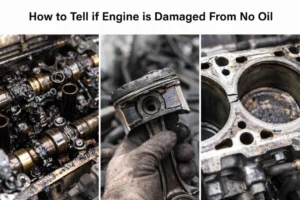
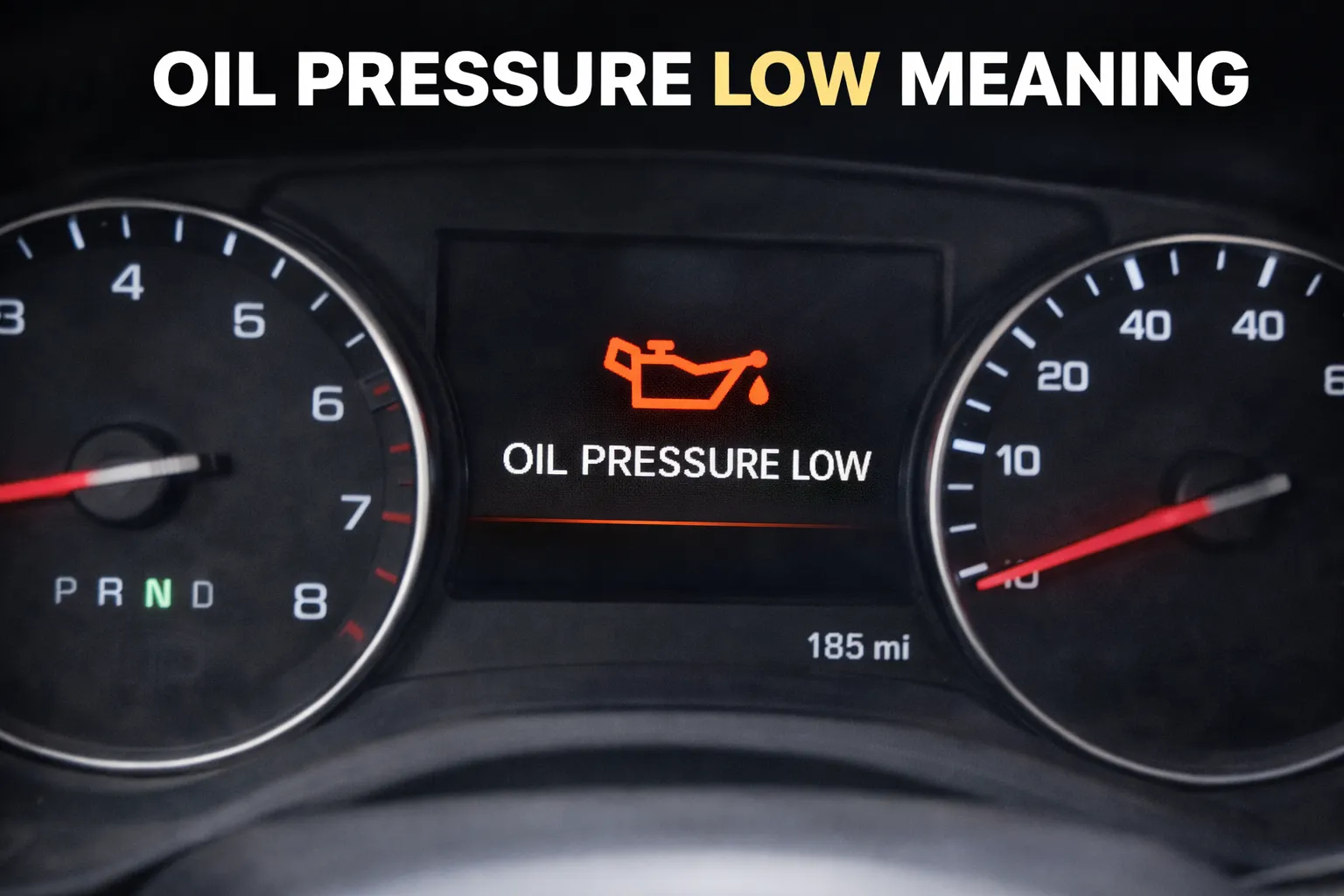
An engine depends on oil the same way the human body depends on blood. Oil flows through narrow passages, coats moving parts, reduces friction, carries away heat, and keeps internal components from grinding against each other. When oil pressure drops below the safe operating range, that protective flow becomes weak. The result is not just a warning light on the dashboard—it is a direct threat to the engine’s health.
The phrase “Oil Pressure Low” can appear suddenly, sometimes without other symptoms. In other cases, it may be accompanied by ticking noises, reduced performance, or overheating. The message does not always mean the engine is about to fail, but it should never be ignored.
Oil pressure reflects how effectively the lubrication system is circulating oil. A drop in pressure may be caused by low oil level, pump wear, internal engine clearance problems, or sensor faults. Clear diagnosis is critical. Addressing the issue early can prevent catastrophic engine damage and avoid major repair costs.
Table of Contents
What Oil Pressure Low Meaning Actually Indicates
How Oil Pressure Is Created Inside The Engine
Oil pressure is generated by the oil pump. As the engine runs, the pump pulls oil from the oil pan and pushes it through internal passages known as oil galleries. These passages direct oil to bearings, camshafts, lifters, and other moving parts. Pressure builds as oil flows through tight clearances between components.
When pressure remains within manufacturer specifications, lubrication is effective. If pressure drops too low, oil cannot maintain a protective film between metal surfaces. This leads to increased friction, heat, and rapid wear.
The oil pressure warning light or gauge alert activates when the system detects pressure below a predetermined threshold. That threshold is typically set to prevent immediate mechanical damage.
Difference Between Low Oil Level And Low Oil Pressure
Low oil level and low oil pressure are related but not identical. A low oil level can cause low pressure, but low pressure may also occur even when oil quantity appears sufficient.
Oil level refers to how much oil is present in the engine. Oil pressure reflects how strongly it circulates. An engine may contain enough oil, yet worn components or pump failure may prevent proper circulation. Diagnosing the difference requires checking both oil quantity and mechanical performance.
Ignoring the distinction may lead to replacing the wrong component while the real issue continues.
Most Common Causes Of Low Oil Pressure
Low Oil Level From Leaks Or Consumption
One of the most frequent reasons for low oil pressure is insufficient oil in the crankcase. Oil leaks from gaskets, seals, or drain plugs gradually reduce volume. Some engines also burn oil internally due to worn piston rings or valve seals.
When oil level drops below the pickup tube inside the oil pan, the pump begins drawing air along with oil. Air reduces pressure dramatically. Checking the dipstick is the first and simplest step whenever the warning appears.
Restoring oil level may correct the problem temporarily, but identifying the source of loss ensures long-term reliability.
Worn Oil Pump Or Internal Engine Wear
The oil pump contains gears or rotors that move oil through the engine. Over time, wear reduces its ability to generate pressure. Internal engine wear also increases clearance between bearings and crankshaft journals. Larger clearances allow oil to escape more easily, reducing pressure.
High-mileage engines are particularly vulnerable to this issue. If internal components are worn significantly, replacing the pump alone may not restore proper pressure. In such cases, deeper engine repair becomes necessary.
Early detection limits further internal damage.
Clogged Oil Filter Or Sludge Buildup
Oil filters trap debris to prevent contamination. When filters become clogged, oil flow may be restricted. Some filters include bypass valves to maintain circulation, but restriction can still affect pressure readings.
Sludge buildup inside the engine creates additional blockage. Sludge forms when oil changes are delayed or poor-quality oil is used. Thick deposits restrict oil passages and reduce flow efficiency.
Regular oil changes prevent sludge formation and protect circulation.
Warning Signs That Accompany Low Oil Pressure
Engine Ticking Or Knocking Sounds
When lubrication decreases, metal parts contact each other more directly. This often produces ticking noises from valve lifters or knocking sounds from crankshaft bearings.
The sound may grow louder as engine speed increases. Continuing to operate the vehicle under these conditions risks severe damage.
Immediate shutdown prevents further wear.
Rising Engine Temperature
Oil not only lubricates but also removes heat from internal components. Low pressure reduces heat transfer, causing temperature to rise.
If overheating occurs alongside a low oil pressure warning, stopping the engine quickly protects critical parts from warping or seizure.
Combined warning signs demand urgent attention.
Flickering Oil Light At Idle
Sometimes the oil pressure light flickers when the engine idles but turns off while driving. This pattern often indicates worn bearings or thinning oil that cannot maintain pressure at low RPM.
Ignoring intermittent warnings may allow gradual internal damage to progress unnoticed.
Diagnostic Steps To Identify The Root Cause
Check Oil Level And Condition First
Start by checking the dipstick on level ground. If oil level is low, add the recommended grade and monitor pressure behavior. Also inspect oil color and texture. Thick, dirty oil may indicate contamination or overdue service.
If oil appears milky or excessively thin, further mechanical inspection is required.
Simple checks often reveal obvious causes.
Test Oil Pressure With Mechanical Gauge
Electronic sensors sometimes fail and trigger false warnings. Using a mechanical oil pressure gauge provides accurate readings directly from the engine.
Comparing measured pressure to manufacturer specifications determines whether the issue is electrical or mechanical.
Professional testing ensures correct diagnosis.
Inspect Oil Pump And Bearings If Needed
If pressure remains low despite correct oil level and viscosity, internal inspection becomes necessary. Technicians may remove the oil pan to inspect the pickup tube and pump.
Excessive bearing wear often reveals itself through metallic debris in drained oil.
Early mechanical inspection reduces long-term damage.
Risks Of Driving With Low Oil Pressure
Accelerated Engine Wear
Operating with inadequate lubrication causes rapid wear of bearings, camshafts, and cylinder walls. Damage accumulates quickly.
Even short periods of low pressure can shorten engine lifespan significantly.
Potential Engine Seizure
If oil pressure drops completely, moving parts may overheat and seize. A seized engine requires complete rebuild or replacement.
Repair costs increase dramatically when operation continues after warning appears.
Stopping immediately protects the engine.
Preventive Measures To Avoid Oil Pressure Problems
Regular Oil Changes
Changing oil at recommended intervals prevents sludge buildup and maintains proper viscosity. Fresh oil flows more efficiently and maintains pressure under load.
Using manufacturer-specified oil grade ensures correct thickness and protection.
Monitor For Leaks And Consumption
Inspect for oil spots under the vehicle and check levels periodically. Address small leaks early before they become severe.
Tracking oil consumption between changes provides valuable insight into engine health.
Use Quality Filters And Parts
High-quality oil filters maintain consistent flow. Inferior filters may collapse or restrict circulation.
Reliable components protect internal lubrication pathways.
When Professional Repair Is Necessary
Persistent low pressure warnings, knocking sounds, or overheating require immediate professional inspection. Delaying evaluation risks total engine failure.
Experienced technicians use specialized tools to determine whether the problem lies in the pump, bearings, sensor, or blockage.
Accurate diagnosis prevents unnecessary part replacement.
Final Thoughts
Oil pressure low meaning extends far beyond a simple dashboard message. It signals reduced lubrication flow within the engine—a condition that can lead to severe internal damage if ignored. Causes range from low oil level and clogged filters to worn pumps and internal bearing wear.
Immediate action protects the engine. Checking oil level, testing pressure accurately, and addressing root causes prevent escalating damage. Routine maintenance remains the most effective defense against lubrication system failures.
A healthy engine depends on steady oil circulation. Maintaining proper pressure ensures moving parts remain protected, temperatures stay controlled, and long-term performance

- How Families in UAE Manage Changing Vehicle Needs - March 4, 2026
- How Many Axles On A Car And What They Do - March 2, 2026
- Metal Shavings In Oil Causes And What It Means - March 2, 2026