
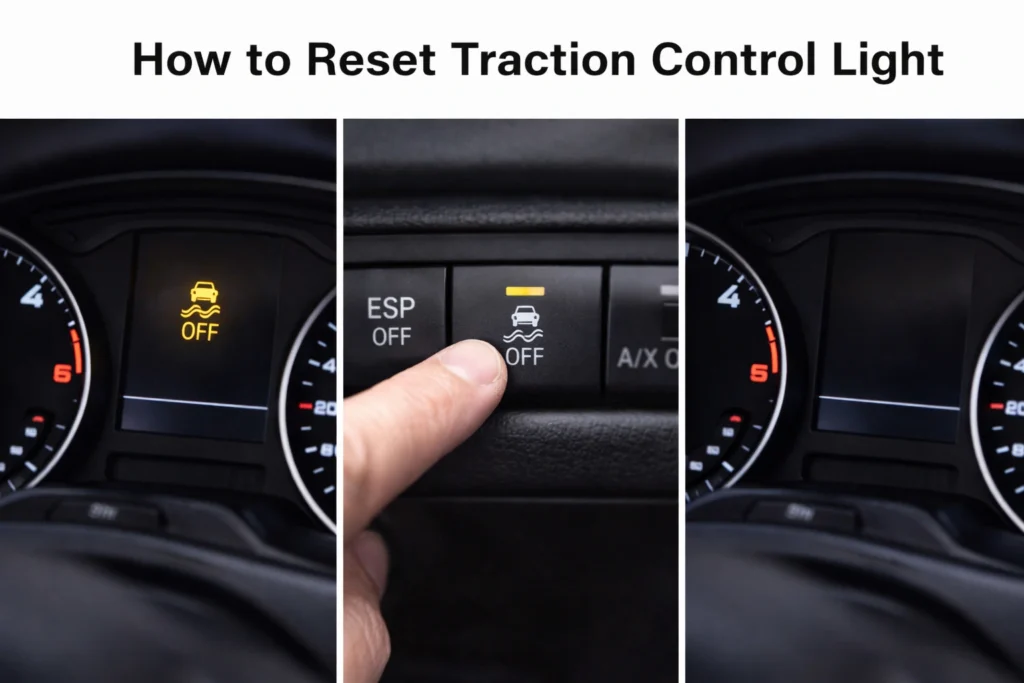
Modern vehicles rely on electronic stability systems to maintain control in slippery or unstable conditions. One of the most important of these systems is traction control. It monitors wheel speed, detects loss of grip, and automatically adjusts engine power or braking force to help keep the vehicle stable. When the traction control light appears on the dashboard, it signals that the system has been disabled or has detected a fault.
Sometimes the light turns on temporarily due to road conditions. In other cases, it remains illuminated even after normal driving resumes. That persistent warning raises concern. Resetting the traction control light may be simple, but it is essential to determine whether the light is reacting to a temporary event or pointing toward a deeper issue.
Clearing the warning without addressing the root cause can lead to reduced safety features. Careful diagnosis, proper reset procedures, and awareness of common triggers help restore full system functionality.
Table of Contents
What The Traction Control Light Means
Normal System Activation Versus Fault Indicator
The traction control light does not always signal a problem. During slippery conditions such as rain, snow, or gravel, the system may briefly activate. When this happens, the light may flash momentarily. Flashing indicates that the system is actively correcting wheel slip.
A steady illuminated light, however, typically means the system is disabled or has detected a malfunction. This could result from a sensor issue, wiring fault, or related system error. Some vehicles disable traction control automatically when other warning lights appear, such as anti-lock brake system alerts.
Distinguishing between flashing and constant illumination helps determine whether a reset is appropriate or further inspection is required.
Relationship Between Traction Control And ABS
Traction control systems rely heavily on the same wheel speed sensors used by the anti-lock braking system. If the ABS system experiences a fault, traction control may also shut off.
This connection explains why multiple warning lights sometimes appear together. Resetting the traction control light alone may not solve the issue if the ABS system remains faulty.
Understanding system integration prevents unnecessary guesswork during troubleshooting.
Common Causes Of A Traction Control Light Staying On
Wheel Speed Sensor Failure
Wheel speed sensors monitor how fast each wheel rotates. If one sensor fails or sends inaccurate data, the system may interpret it as wheel slip or malfunction. Dirt buildup, corrosion, or damaged wiring often cause incorrect readings.
A faulty sensor frequently triggers both ABS and traction control lights. Replacement of the defective sensor typically resolves the issue. Diagnostic scanning confirms which sensor requires attention.
Proper cleaning and inspection may prevent repeat occurrences.
Steering Angle Sensor Issues
The steering angle sensor measures the direction of the steering wheel. It helps stability systems calculate how the vehicle should respond in a turn. If this sensor loses calibration, the traction control system may deactivate.
Battery disconnection or alignment adjustments sometimes require recalibration. Resetting through a diagnostic scanner restores proper communication between components.
Calibration errors should not be ignored because they affect vehicle stability functions.
Low Battery Voltage Or Electrical Glitches
Weak batteries or voltage fluctuations can trigger electronic warnings. If battery voltage drops below acceptable levels, control modules may log temporary faults.
In such cases, replacing the battery or charging it fully may clear the light. Some vehicles reset automatically after voltage stabilizes.
Electrical stability is essential for reliable sensor communication.
How To Reset Traction Control Light Step By Step
Turn Vehicle Off And Restart
In some cases, turning the engine off and restarting it resets temporary electronic faults. This is especially common when the light appears briefly due to road conditions.
Allow the vehicle to sit for a few minutes before restarting. If the light remains off after restart, the issue may have been temporary.
Persistent illumination indicates a deeper problem.
Disconnect And Reconnect The Battery
Disconnecting the negative battery terminal for approximately 10 to 15 minutes can clear stored codes in certain vehicles. After reconnecting, start the vehicle and observe the dashboard.
This method may reset minor electronic faults. However, if the system detects an ongoing issue, the light will return shortly after driving.
Battery disconnection may also reset radio presets and clock settings.
Use An OBD-II Diagnostic Scanner
A diagnostic scanner provides the most reliable reset method. Connecting the scanner to the vehicle’s OBD-II port allows reading stored trouble codes.
After identifying and addressing the underlying issue, clearing the codes resets the traction control light. Professional-grade scanners offer more detailed data, including live sensor readings.
Using a scanner prevents unnecessary part replacement.
When Resetting Alone Is Not Enough
Persistent Mechanical Issues
If wheel bearings, brake components, or suspension parts are damaged, resetting the light will not solve the problem. Mechanical faults must be repaired first.
Driving with traction control disabled reduces safety in slippery conditions.
Ignoring underlying problems may cause further damage.
Multiple Warning Lights Present
When traction control light appears alongside check engine or ABS lights, deeper system interaction may exist. Resetting one system without diagnosing others may lead to repeated warnings.
Comprehensive scanning ensures accurate repair.
Professional evaluation may be necessary.
Safety Considerations While Driving With Light On
Traction control assists with stability during sudden acceleration or slippery roads. When the system is disabled, wheel spin may occur more easily.
While the vehicle may still operate normally in dry conditions, caution is required during rain or snow. Reduced electronic assistance increases the risk of loss of control.
Prompt repair restores full safety features.
Preventive Maintenance To Avoid Traction Control Issues
Regular brake inspections, battery maintenance, and sensor cleaning reduce system faults. Keeping wheel speed sensors free from debris ensures accurate readings.
Addressing alignment issues promptly prevents steering angle calibration errors.
Routine diagnostic scanning during service appointments may identify early warnings.
Final Thoughts
Resetting the traction control light can be simple, but identifying the cause remains essential. Flashing lights during slippery conditions indicate normal operation. A steady illuminated light usually signals a fault requiring attention.
Basic resets such as restarting the vehicle or disconnecting the battery may clear temporary issues. However, diagnostic scanning provides the most reliable solution by revealing stored error codes.
Traction control plays a vital role in maintaining stability and control. Restoring proper function protects both vehicle performance and safety. Prompt inspection ensures the system operates as designed whenever road conditions demand it.

- How Families in UAE Manage Changing Vehicle Needs - March 4, 2026
- How Many Axles On A Car And What They Do - March 2, 2026
- Metal Shavings In Oil Causes And What It Means - March 2, 2026