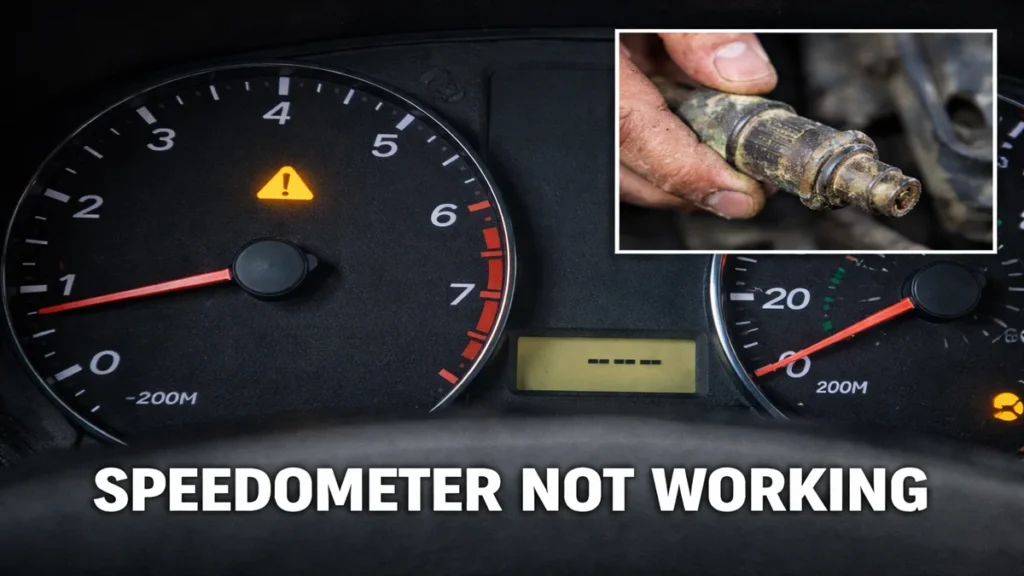
A speedometer is one of the most relied-upon instruments in any vehicle. It quietly translates motion into clear numbers, helping drivers judge speed, maintain control, and stay within legal limits.
When it stops working, the absence feels immediate and unsettling. Without accurate speed information, even familiar roads can feel uncertain.
Speedometers have evolved from simple mechanical cables to complex electronic systems tied into vehicle computers. Despite these advances, failures still occur, often without warning. Sometimes the needle drops to zero.
In other cases, the display freezes, jumps erratically, or goes completely dark. These issues may appear minor at first, but they often signal deeper problems within the vehicle’s sensor network or electrical system.
A non-functioning speedometer affects more than convenience. It influences safety systems, transmission behavior, and legal compliance. Identifying the cause early prevents cascading failures and restores confidence behind the wheel.
A clear look at symptoms, causes, diagnostics, and solutions helps turn a confusing problem into a manageable repair.
Table of Contents
How A Speedometer Works In Modern Vehicles
Understanding how a speedometer functions makes troubleshooting far easier. The design differs depending on vehicle age and technology.
Mechanical Speedometer Systems
Older vehicles use a mechanical setup. A cable connects the transmission to the speedometer head. As the wheels turn, the cable spins, moving the needle on the gauge.
These systems are simple and durable, but they rely heavily on physical components. Wear, lack of lubrication, or cable breakage directly affect operation.
Electronic Speedometer Systems
Most modern vehicles use electronic speedometers. A vehicle speed sensor measures wheel or transmission rotation and sends data to the engine control module. The module then communicates speed information to the instrument cluster.
This setup allows for greater accuracy and integration with safety and transmission systems. However, it also introduces more potential failure points.
Integration With Other Vehicle Systems
Speed data is shared across multiple systems. Transmission shifting, traction control, cruise control, and anti-lock braking all rely on accurate speed information.
When the speedometer fails, these systems may also behave unpredictably or shut down entirely.
Common Symptoms Of A Speedometer Not Working
Speedometer failure does not always look the same. Different symptoms point toward different causes.
Speedometer Needle Stuck Or Dead
A needle that remains at zero regardless of movement often indicates a complete loss of speed signal.
This may result from a failed sensor, broken cable, or electrical interruption.
Erratic Or Jumping Readings
When the needle jumps or fluctuates randomly, the issue is often related to intermittent signal loss.
Loose wiring, failing sensors, or corrosion commonly cause this behavior.
Digital Display Showing Incorrect Speed
Digital speedometers may display inaccurate numbers, freeze, or go blank.
Software glitches, cluster faults, or communication errors between modules often play a role.
Warning Lights Appearing Alongside Failure
A speedometer problem may trigger warning lights such as ABS or traction control alerts.
These systems depend on speed data, so faults often appear together.
Main Causes Behind Speedometer Failure
Speedometer problems usually trace back to a handful of common causes. Identifying the right one prevents unnecessary repairs.
Faulty Vehicle Speed Sensor
The vehicle speed sensor is the most frequent culprit. It measures rotation and sends speed data to the control module.
When it fails, the speedometer loses its primary input. Dirt, wear, or electrical faults commonly affect this sensor.
Damaged Or Disconnected Wiring
Speed signals travel through wiring harnesses. Damage from heat, moisture, or vibration can interrupt communication.
Rodent damage and corrosion near connectors are also common issues.
Instrument Cluster Malfunction
The instrument cluster processes and displays speed information. Internal circuit failures can prevent proper display.
Cluster issues may affect multiple gauges, not just the speedometer.
Blown Fuse Or Power Supply Issues
A blown fuse can cut power to the instrument cluster or speed sensor circuit.
Checking fuses is a simple but often overlooked diagnostic step.
Mechanical Cable Failure In Older Vehicles
In mechanical systems, the speedometer cable may break, kink, or lose lubrication.
This results in a dead or noisy speedometer.
Transmission Or ABS System Problems
Some vehicles derive speed data from transmission or wheel sensors.
Failures in these systems can disrupt speed reporting even if the speedometer itself is functional.
Safety And Legal Risks Of Driving Without A Working Speedometer
Driving without a functioning speedometer introduces several risks that extend beyond inconvenience.
Difficulty Maintaining Safe Speeds
Estimating speed without a gauge is unreliable. Road conditions, vehicle noise, and engine feel vary widely.
Inaccurate speed judgment increases the risk of speeding or driving too slowly in traffic.
Increased Accident Risk
Without precise speed feedback, reaction times suffer. Sudden braking, merging, or cornering becomes harder to judge.
This increases the likelihood of collisions, especially in dense traffic.
Impact On Safety Systems
Modern safety systems rely on accurate speed data. When speed information is missing or incorrect, these systems may deactivate.
Loss of traction control or anti-lock braking assistance reduces vehicle stability.
Legal And Inspection Consequences
Most regions require a functioning speedometer for road use. Driving without one may result in fines or failed inspections.
Insurance claims may also be affected if vehicle condition is found to be non-compliant.
Step-By-Step Diagnosis For Speedometer Issues
A structured diagnostic approach saves time and money.
Initial Visual Checks
Begin with simple observations. Check for warning lights, gauge behavior, and whether other instruments function normally.
Inspect fuses related to the instrument cluster and speed sensor circuits.
Testing The Vehicle Speed Sensor
A scan tool can verify whether the sensor sends speed data to the control module.
No signal or erratic readings often confirm sensor failure.
Inspecting Wiring And Connectors
Visually inspect wiring near the sensor and along the harness. Look for broken insulation, corrosion, or loose connectors.
Repairing wiring faults often restores function immediately.
Evaluating Instrument Cluster Operation
If speed data reaches the control module but does not display, the cluster may be at fault.
Professional testing or cluster replacement may be required.
Mechanical Inspection For Older Systems
For cable-driven systems, inspect the cable for breaks or binding.
Replacing a damaged cable usually resolves the issue.
Repair Options And Expected Costs
Repair complexity depends on the cause, but many speedometer issues are straightforward.
Replacing The Vehicle Speed Sensor
Sensor replacement is often the most common fix. Parts are usually affordable, and labor time is moderate.
After replacement, codes should be cleared and operation verified.
Wiring Repairs
Repairing damaged wiring may involve splicing, connector replacement, or harness repair.
Costs vary based on location and severity of damage.
Instrument Cluster Repair Or Replacement
Cluster repairs range from simple solder fixes to full replacement.
Rebuilt clusters are often more cost-effective than new units.
Software Updates And Reprogramming
Some speedometer issues stem from software errors. Updating control modules can resolve display or communication faults.
Dealerships or specialized shops typically perform this service.
Temporary Measures While Awaiting Repair
Driving without a speedometer is not ideal, but temporary precautions reduce risk if repair is delayed.
Using GPS Speed Readings
Navigation apps provide real-time speed estimates. While not perfect, they offer a useful reference.
This does not replace a proper repair but helps maintain awareness.
Avoiding High-Speed Driving
Keeping speeds low reduces the impact of inaccurate speed estimation.
City driving is safer than highway travel in this condition.
Scheduling Repair Promptly
Temporary solutions should remain short-term. Prolonged operation without a speedometer increases risk and stress.
Preventive Steps To Avoid Future Speedometer Problems
Prevention reduces the likelihood of repeat issues.
Regular Electrical Inspections
Periodic checks of wiring and connectors catch corrosion or damage early.
Clean connections maintain reliable signal flow.
Addressing Warning Lights Immediately
Speed-related warning lights often appear before full failure.
Early diagnosis prevents complete loss of function.
Protecting Sensors From Contamination
Keeping underbody components clean reduces exposure to dirt and moisture.
This extends sensor life and reliability.
Final Thoughts
A speedometer not working is more than a dashboard inconvenience. It disrupts safety systems, affects legal compliance, and increases driving risk. While the causes range from simple sensor failures to complex electrical faults, most issues are repairable with proper diagnosis.
Prompt attention restores not only speed indication but also the interconnected systems that rely on accurate data. Treating the problem early prevents larger failures and ensures confident, controlled operation on every road. A functioning speedometer remains a fundamental part of safe and responsible vehicle use.

- How Families in UAE Manage Changing Vehicle Needs - March 4, 2026
- How Many Axles On A Car And What They Do - March 2, 2026
- Metal Shavings In Oil Causes And What It Means - March 2, 2026